See a different side of Sri Lanka in the Tamil heartland. Here are the best things to do in Jaffna.
Why Jaffna?
If there’s one thing that everyone mentioned as I travelled around Sri Lanka, it was this:
“Jaffna is different. The north is different. It’s not like the rest of Sri Lanka.”
Once isolated by decades of conflict, Jaffna is now opening up again. Travel here requires patience, but it gives more than it asks for: a landscape shaped by resilience, beliefs layered across centuries, and a pace of life that invites you to look more closely.
From ancient temples and colonial remnants to fresh fruit stalls and ferry rides across shallow seas, this guide to things to do in Jaffna gives you a starting point for your own trip to the north.
The Best Things to Do in Jaffna
Jaffna really is the hub of the north, so it makes sense to base yourself there before branching out towards coastal plains and small islands.
I’ve visited almost all of these but, in full disclosure, I couldn’t make it to them all. So, I’ve included some trusted recommendations – in part as notes for my next visit.
Disclosure: I visited Jaffna on this occasion as a guest of the Sri Lanka tourist board. As ever, as always, I kept the right to write what I like. Otherwise, what’s the point?
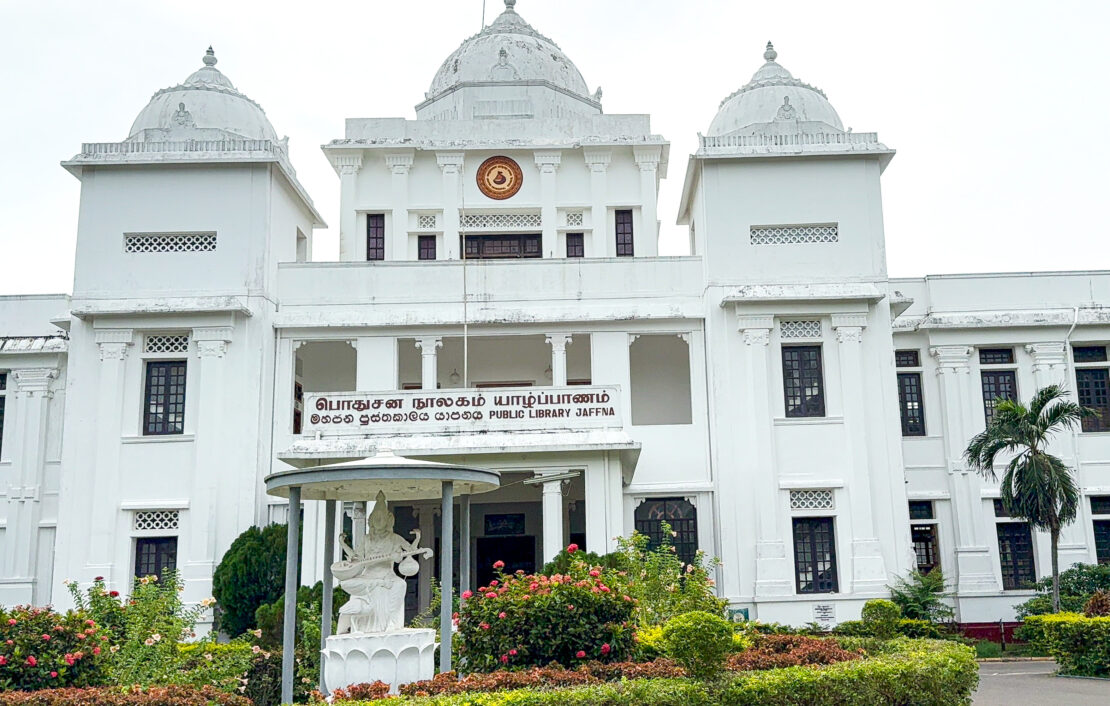
Book Into the Jaffna Public Library
In the heart of the city centre, the Jaffna Library stands quiet and white, framed by palm trees and years of political weight. It’s a landmark with two lives: the original, once one of South Asia’s finest libraries, and the current, rebuilt after it was burned down in 1981 during the early tensions that led to Sri Lanka’s civil war.
Even without a dramatic facade, the building holds significance far beyond its Indo-Saracenic walls. For many Sri Lankans, especially in the Tamil community, this library was – and still is – a symbol of learning and identity.
You can visit during open hours and wander among the shelves, many filled again with Tamil literature, historical records, and reference texts. But it’s a modern, functional place, too, with computers and angular furniture to boot. It’s not all yellowed manuscripts and dusty dreams (more’s the pity!)
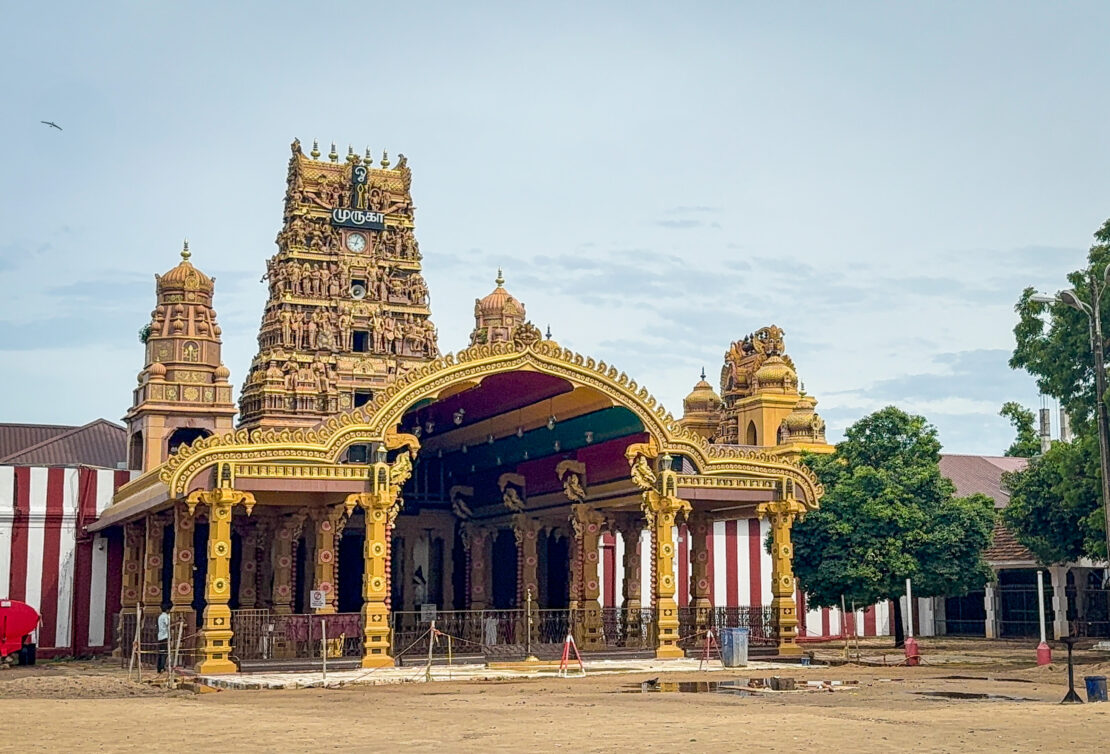
Feel Peace at Nallur Kandaswamy Kovil Temple
Let’s be honest, it’s easy to run into temple fatigue despite our best efforts.
But if you only visit one temple (and one would be too few) – let it be this one.
Dedicated to Lord Murugan, the god of war and victory, Nallur Kovil, also known as Nallur Kandaswamy Temple, draws pilgrims and travellers alike with its soothing rituals, smoky incense and sense of calm.
The building you see today was rebuilt in the 18th century, but its history runs far deeper than that.
Alas, photography is forbidden inside so you’ll have to trust my words on the sense of scale, beauty and tranquility within. It’s a complete contrast to the multicolour cacophony of sights and sounds at Trinco, for example, instead inviting whispers, chants and offerings with monks dispensing blessings for a fee.
Inside tip: as usual, women need to dress modestly to enter but men are obliged to go in topless. I’m not joking.
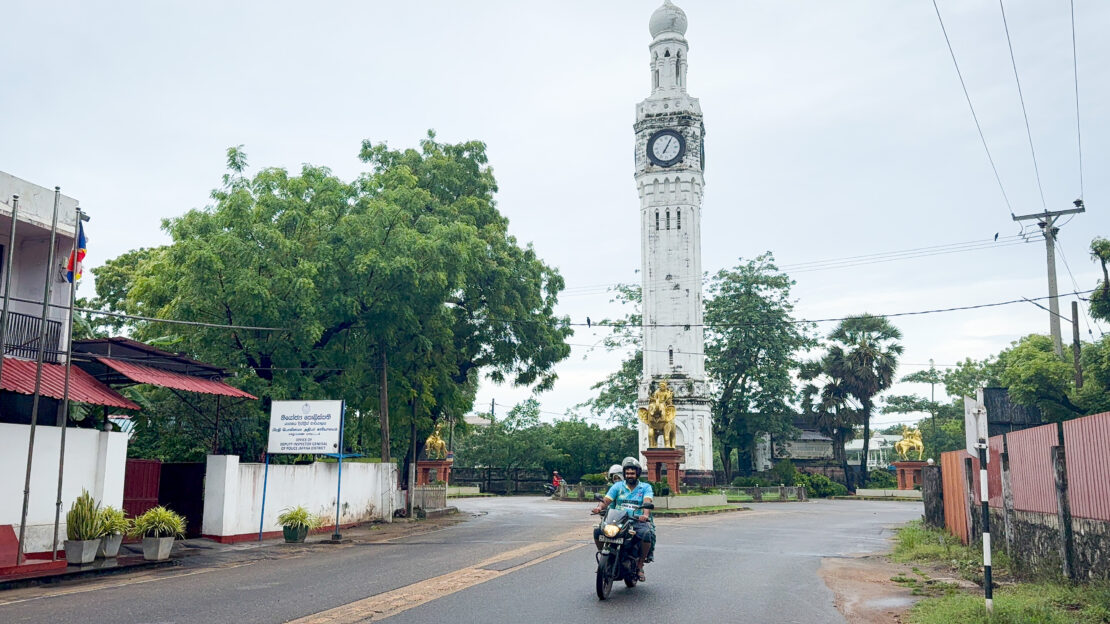
Mark Time at the Jaffna Clock Tower
Just a few minutes’ walk from the library, the Jaffna clock tower rises modestly above the city’s older shops and municipal buildings. It’s easy to miss, but worth pausing for, not because it’s grand, but because of what it marks.
Built to commemorate Prince Albert Edward’s visit to Ceylon in 1875, the tower still tells time in the middle of Jaffna City. Though its colonial origins aren’t celebrated today, the structure remains part of the city centre’s shape, a meeting point for residents and a marker on tuk-tuk maps.
Plus, it’s a jolt to see something that wouldn’t stand out on Worthing seafront so very far from home.
Step Inside St. Mary’s Cathedral
St Mary’s Cathedral sits tucked along a quieter road just west of the city centre. You’ll know it by the soft blue and white colours of its facade, and by the people moving slowly across the courtyard before services begin.
It’s not large, but it’s well maintained, and if you’re interested in quiet spaces or architectural variety, it earns its place among Jaffna’s interesting things to explore. Mornings are best for a peaceful visit.
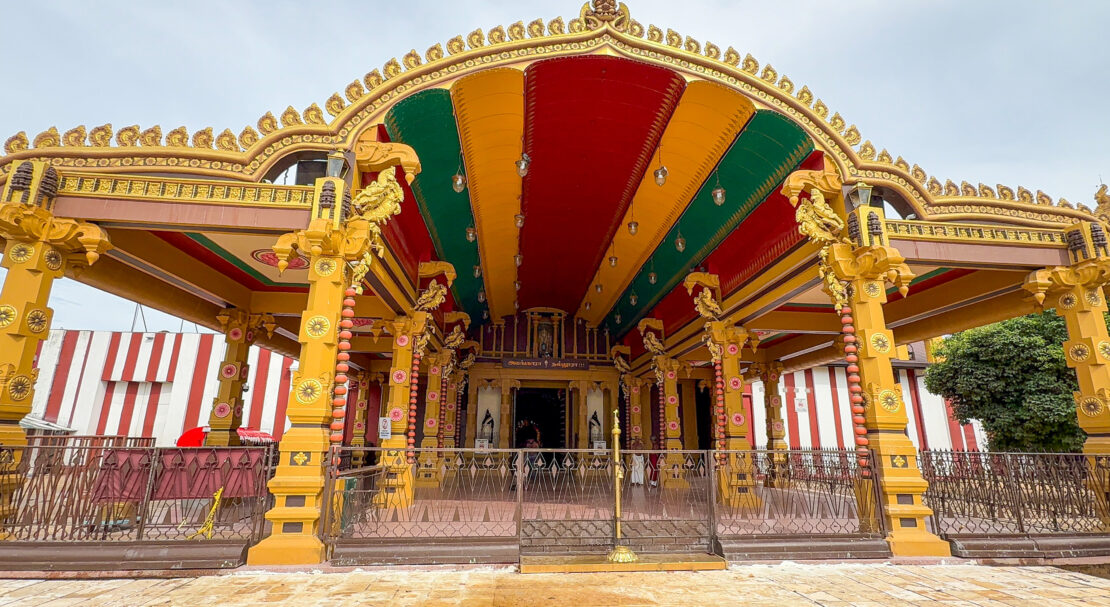
Admire Colourful Hindu Temples Around the City
There’s no need to search far – Jaffna’s colourful Hindu temples appear often, painted in greens, blues, and yellows that brighten the most ordinary street corner. Many are small, tucked behind grocery shops or houses, and not all are on the tourist radar.
These are working temples, grounded in local tradition. If it’s your first time visiting, take a moment to observe before stepping in. Shoes come off at the door. Some allow photos, most don’t.
The gopuram towers, with their sculpted deities and animals, reflect beliefs that stretch back to ancient times, long before the modern road system or railway ever reached the Jaffna Peninsula.
Stop by a Buddhist Temple
In a region defined by Tamil culture and Hindu tradition, Buddhist sites in Jaffna are few and far between, and that’s part of what makes Kadurugoda Vihara worth finding.
Set back from the main roads in the village of Kandarodai, the site features clusters of grey stone stupas in varying sizes. It’s modest, quiet, and rarely busy. A short walk from where tuk-tuks tend to stop, it feels a little outside the usual flow.
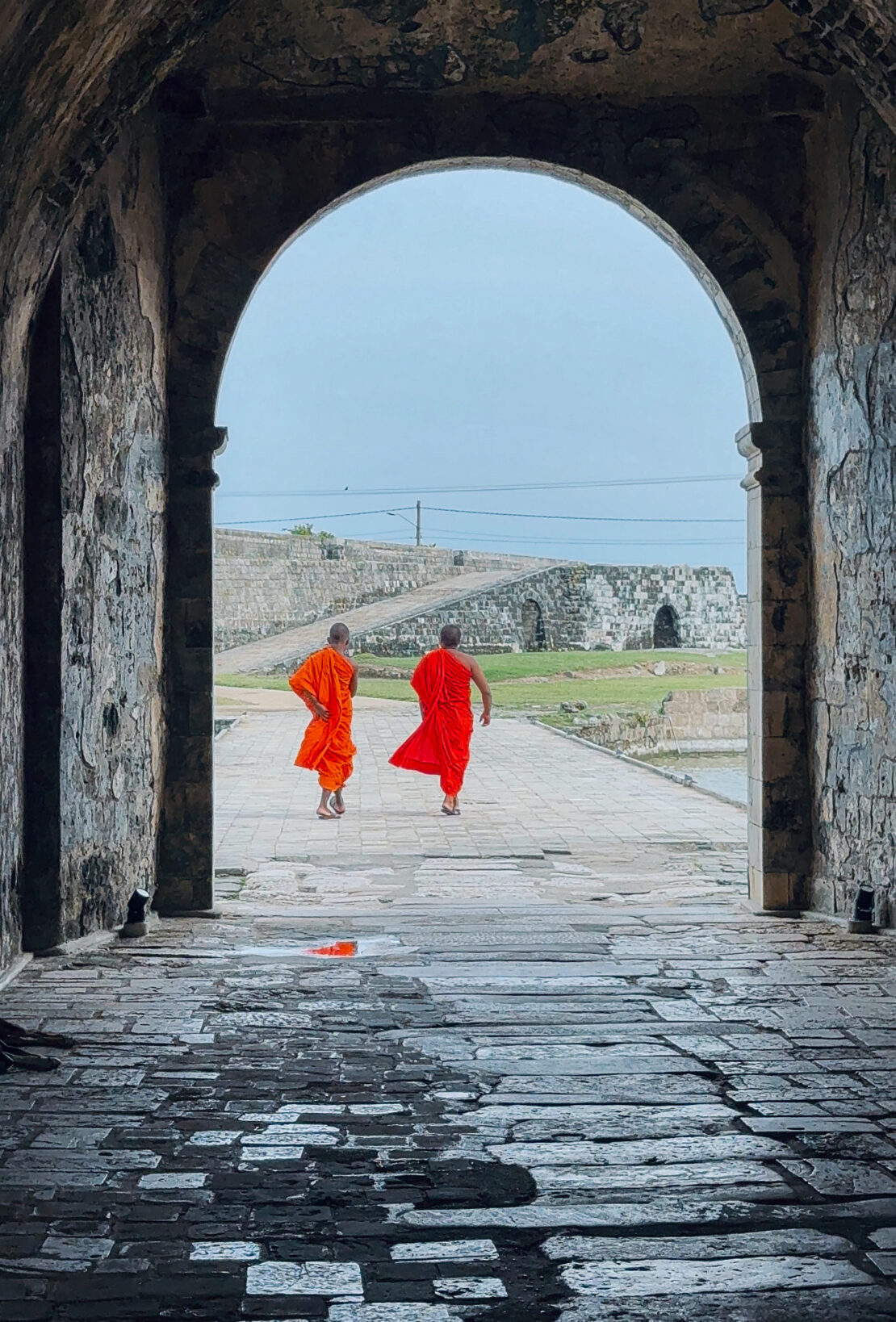
Fight Your Way Through Jaffna Fort
Jaffna Fort doesn’t look imposing at first. The stone walls rise low from the land, spread wide rather than high. But once you pass through the gate, the scale becomes clear.
Built by the Portuguese in the early 17th century and expanded by the Dutch, this ancient fort carries the stamp of the colonial period, shaped by forces far from the island.
Before that, the site was connected to the Jaffna Kingdom, an ancient capital that once linked northern Sri Lanka to trade routes and the power centres of South India.
Late afternoon brings the best light. Unlike the structured paths and galleries at Galle Fort in the south, Jaffna Fort invites unhurried exploration through grassy courtyards and worn stonework, with a small museum on the side.
Visit the Old Kachcheri Ruins
One of the least signposted spots in Jaffna, the old Kachcheri building was once the heart of colonial administration in the north. The site now lies in partial ruins, but its pale columns and moss-covered walls carry that layered beauty found in many forgotten parts of Sri Lanka.
The Chola Dynasty and Jaffna Kingdom
The Chola dynasty, powerful rulers from Southern India, left their mark in Jaffna in the 10th and 11th centuries, building temples and shaping the political landscape.
Later, the Jaffna Kingdom flourished as one of the main Tamil states in the island, with a capital that controlled the northern province of Sri Lanka.
Today, little remains in terms of intact palaces or inscriptions. But you’ll find references scattered throughout the peninsula in decorative temples, oral traditions, and small museum displays.
The archaeological museum near Nallur is worth a short visit, especially if you’re curious about artefacts from ancient times.
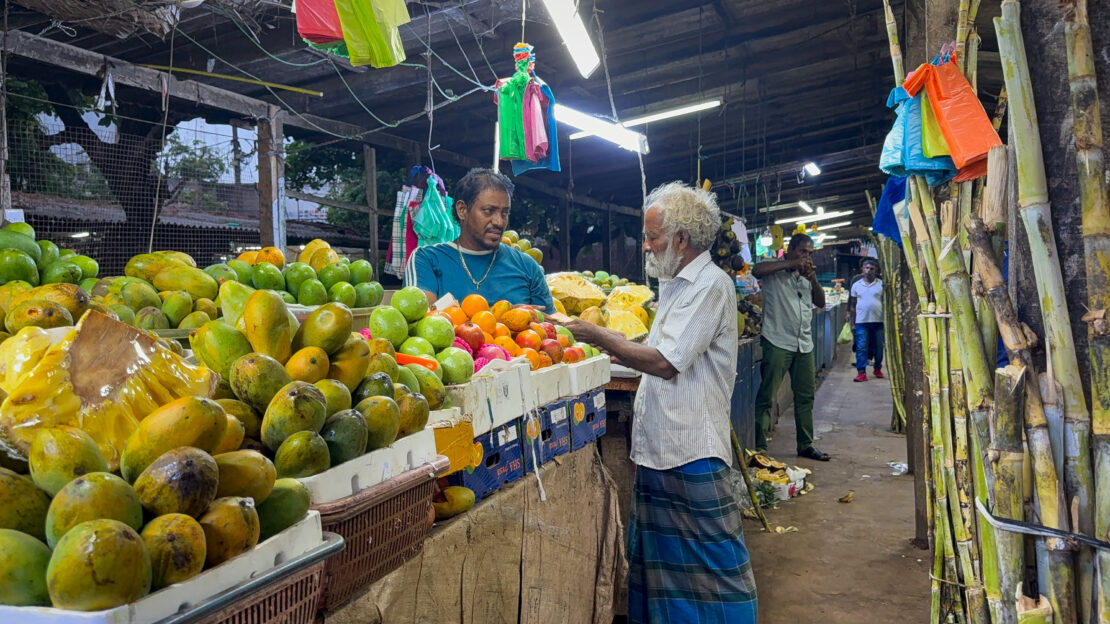
Munch Away at Jaffna Market
Mornings begin early at the Jaffna Market. Locals gather to buy vegetables by the kilo, barter for spices, or choose bananas by colour and ripeness. And it was definitely one of my favourite spots. I enjoyed it so much, I went back twice.
Located near the city centre, this covered maze of stalls may not look refined at first glance, but it’s a great place for those who enjoy seeing a city at work. Piles of okra, jackfruit, and chillies stretch across wooden tables. Women in bright saris arrange flower garlands. And men slice apart durian with glinting, menacing knives.
This local market doesn’t cater to tourists, which is part of its appeal. You’ll find things here that won’t appear in glossy souvenir shops, and the entire experience offers a brief window into the habits and tastes of the peninsula.
It’s worth visiting, even if only for the smells, sounds, and seasonal colour. Don’t miss the fresh fruit section toward the back. The mangoes and papayas are particularly good when in season. And the dark, sweet jaggery is in season all year round.
Just watch where you’re treading and don’t get in anyone’s way.
Get Fresh at the Fish Market
Just after sunrise, the Jaffna Fish Market wakes with sharp voices and quick exchanges. Fishermen bring in their catch, and the morning becomes a display of silver fins, coral crabs, and deep-sea prawns.
This is a great place to understand the region’s relationship with the sea and to see where the day’s meals begin.
You won’t need to buy anything yourself (unless you’re self-catering), but nearby restaurants and street vendors often collect their daily stock from here.
Just One Cornetto
Rio is a family-run ice cream parlour where generations of Jaffna locals have gone after school, before weddings, or just because. Any excuse, right?
The flavours are simple, the prices modest, and the pink-and-yellow walls haven’t changed in decades.
Try the mango or fruit-and-nut, still made in-house and served without flourish. Sit down, let the fan hum overhead, and watch the families come and go.
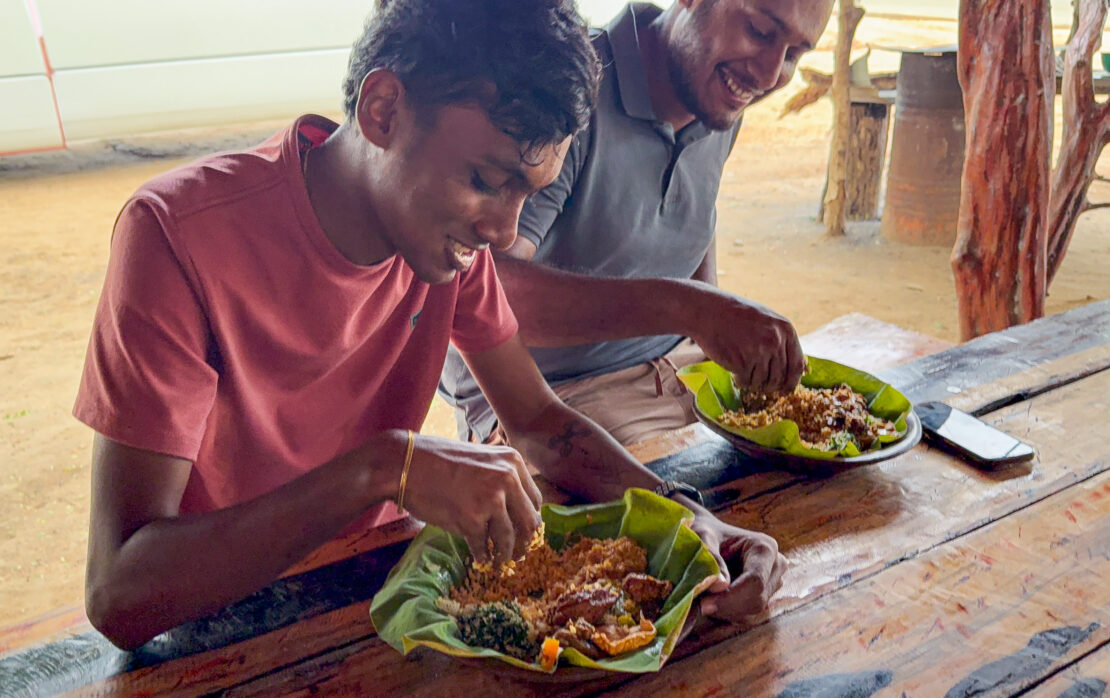
Taste Traditional Jaffna Cuisine
Eating in Jaffna is an absolute highlight. Food here is bold, homegrown, and often a work of art.
Seafood takes the lead. Crab curry with murunga leaves, fried cuttlefish, and dry prawns with tempered onions are regular staples. Add to that kool, a thick seafood broth made with tamarind and millet flour, and you’ll start to understand the distinct culinary identity of the region.
For vegetarian dishes, try brinjal moju (fried aubergine pickle), jackfruit curry, and sambal made from crushed chillies and dried fish.
Some of the best places to eat are still small family restaurants and Malayan Café, Mangos, and Cosy Restaurant near the Nallur Temple come recommended. They may not advertise in guidebooks, but they consistently serve some of the best things you’ll eat in Jaffna.
- Recommended reading: the 12 dishes you need to know in southern India
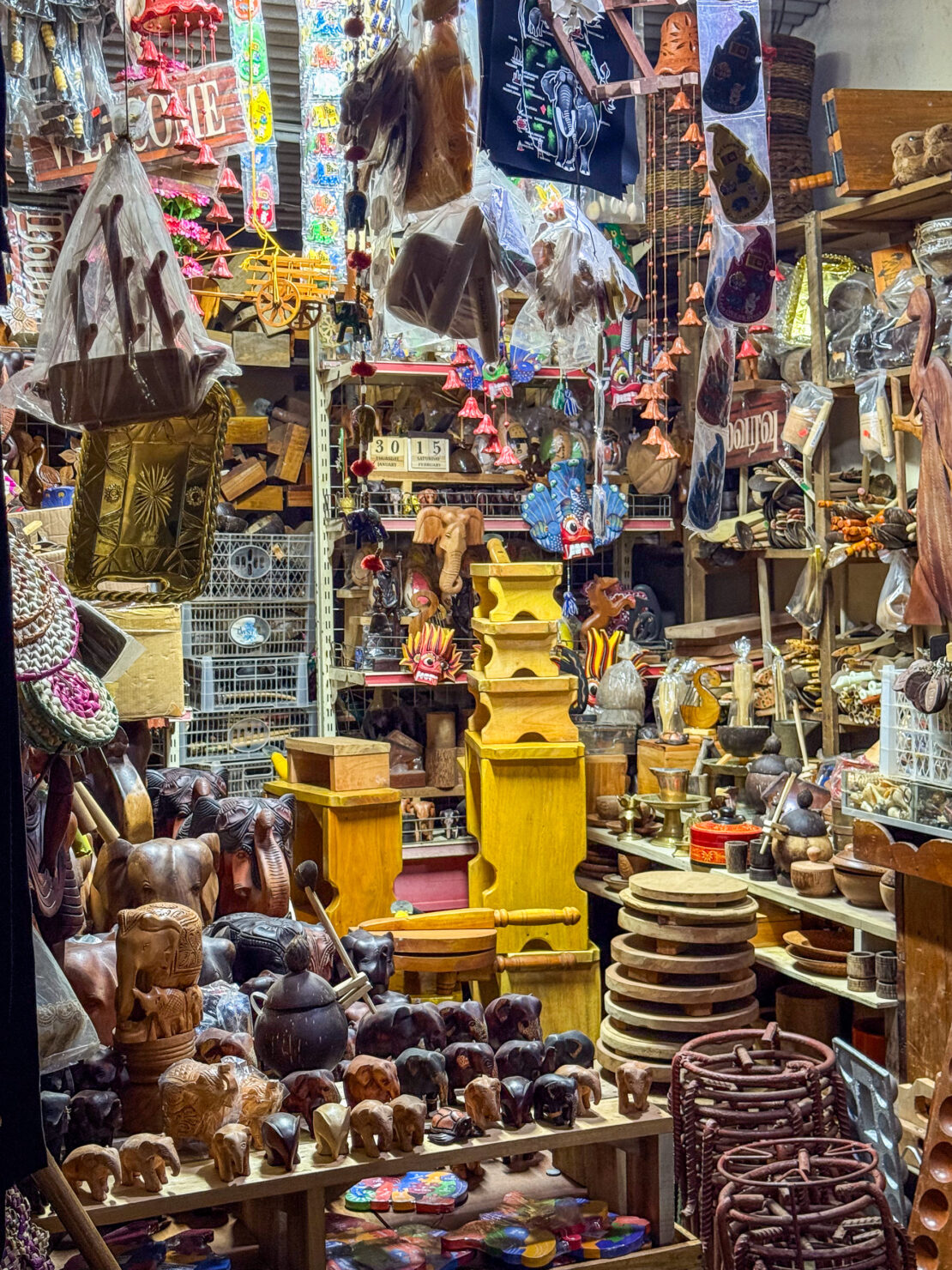
Shop for Handicrafts and Spices
Jaffna’s markets and roadside stalls carry stories in the form of spices, woven sarongs, and palm-leaf baskets. The red chillies are sun-dried and hot. The mustard seeds are smaller than usual, and turmeric is ground fresh.
Among the best ways to bring a piece of the region home is by choosing handwoven cotton made on wooden looms: saris, shawls, or table runners in earthy tones.
Look for the small family-owned stalls near the central market and railway station. Prices are fair and the sellers usually explain what’s from where.
Find out more about the dark history of traditional arts and crafts in Sri Lanka here.
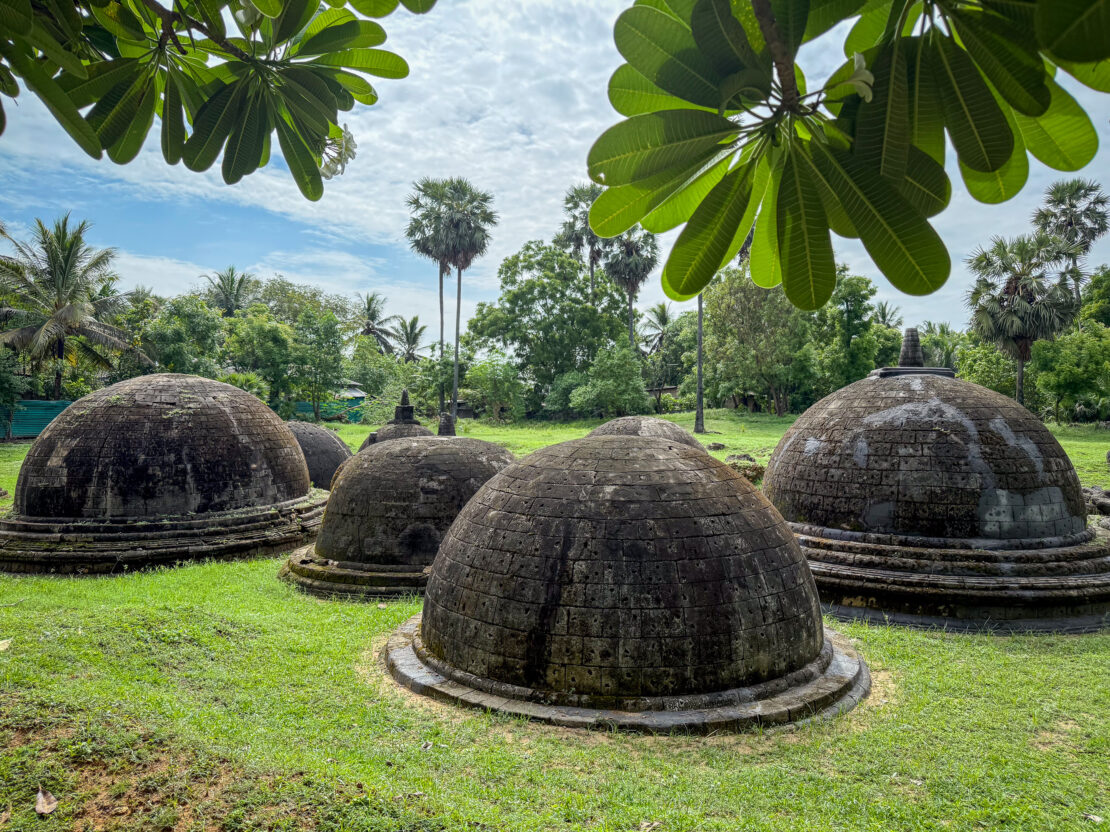
Trace Ancient Footsteps at an Iron Age Settlement
Long before colonial forts and European maps, people lived and traded in what is now northern Sri Lanka. Around places like Anaikoddai and Kantharodai, archaeologists have uncovered Iron Age burial urns, black-and-red pottery, and even tools from around 900 BCE. These are not polished tourist sites but dusty, fascinating clues – quiet reminders that this region has been part of human history for thousands of years.
You’ll need a guide or good directions to find them, but that’s part of the charm. Surrounded by scrubland and the hum of rural life, these remnants offer a different kind of heritage trail.
Prefer a more challenging sort of walk? Don’t miss our guide to climbing Sigiriya Rock.
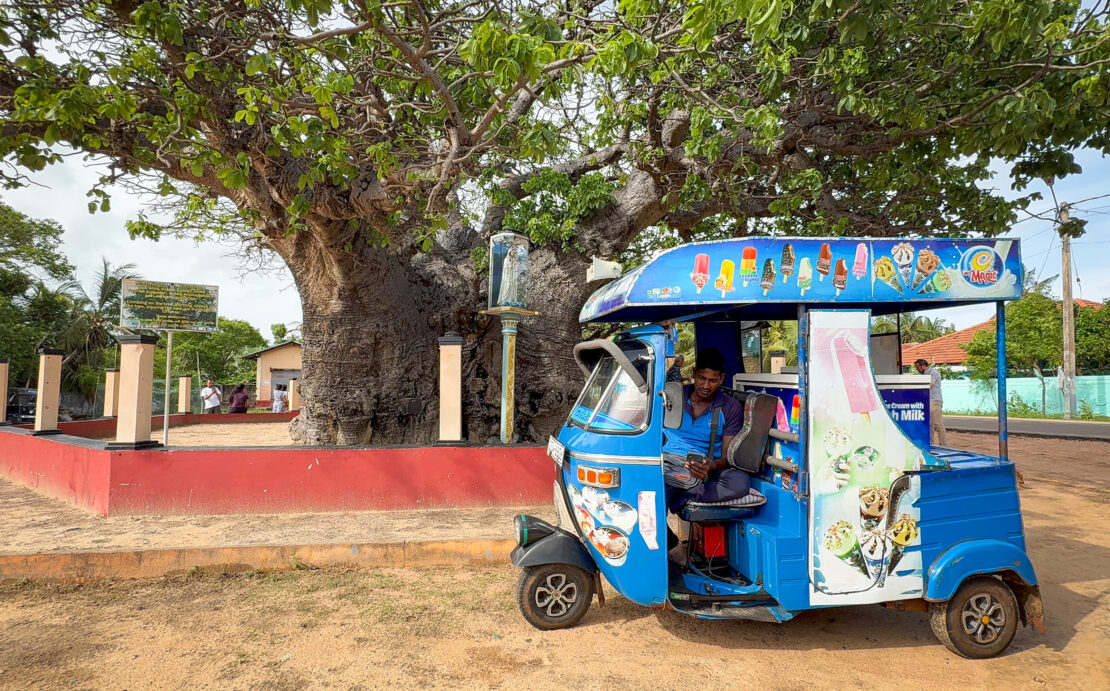
Meet a Different Kind of Elephant
It looks like it doesn’t belong here – a swollen, bulbous trunk with arms that twist towards the sky. But the Ali Gaha Baobab tree has stood in Jaffna for hundreds of years, quietly telling a global story.
Believed to have been planted by Arab traders in the 16th century (accidentally, thanks to some camel food) this African native has taken root in Sri Lankan soil, just as sailors and merchants once did along the island’s northern coast. Its name, Ali Gaha, means “elephant tree,” a nod to its immense girth and otherworldly silhouette.
You won’t need long here but it’s a fun spot if you’re travelling past anyway.
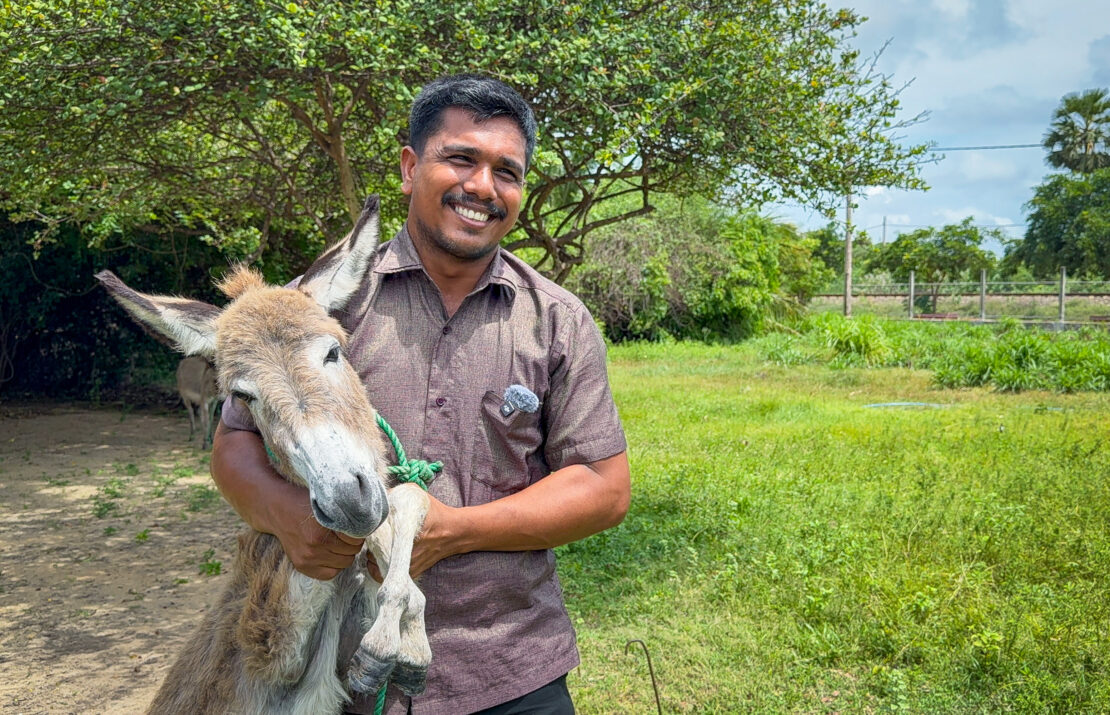
Meet the Donkeys of Mannar
Mannar’s landscape feels dry and windblown, edged by salt flats and silence. But near the town centre, you’ll hear the unexpected sound of braying. That’s the Mannar Donkey Sanctuary – a peaceful place offering care and shelter to abandoned and injured donkeys.
Once essential for transport and trade, these animals were brought here during colonial times and left to fend for themselves as vehicles took over. The sanctuary now nurses them back to health, with shady pens, open paddocks and volunteers who know each donkey by name.
It’s a gentle stop, especially for families or anyone needing a pause from ruins and relics. You can stroke their dusty coats, learn about the charity’s work, and the founder, Alhadhir, will restore your faith in humanity.
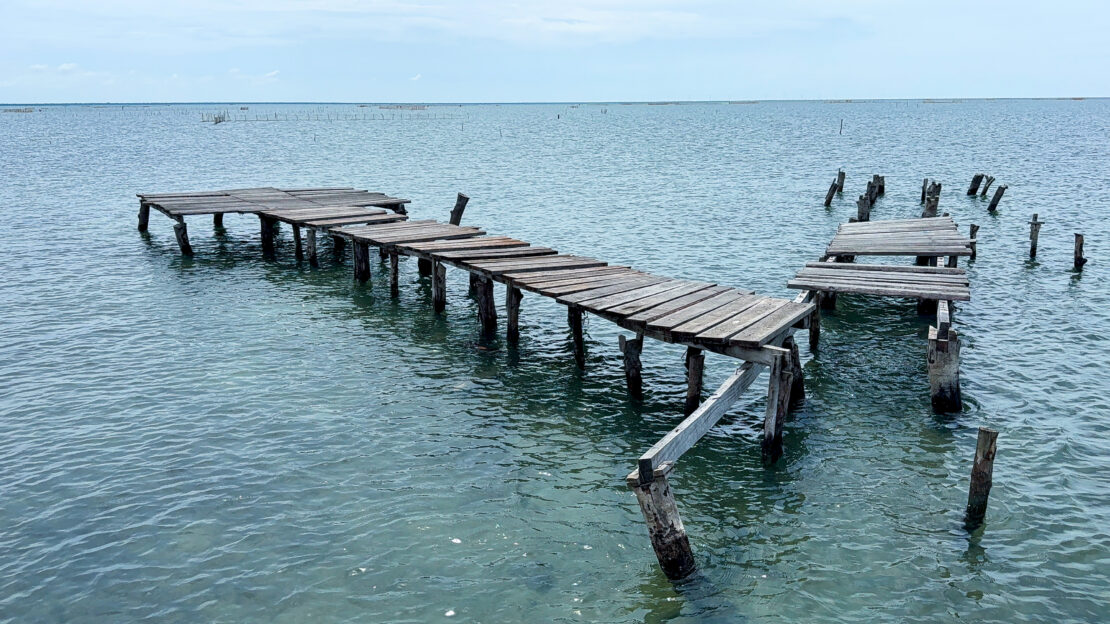
Look Across to India at Thailamannar Pier
At the edge of Mannar Island, the broken bones of an old pier stretch out into the sea. This is Thailamannar, once the departure point for the ferry to Dhanushkodi in India and a gateway between nations.
Today, the ferry is gone, the railway tracks rusted, but the sense of proximity remains. On clear days, you can see the Indian coastline shimmer across the Palk Strait. And beneath the waves lies something even older: Adam’s Bridge, a chain of limestone shoals and sandbanks that once may have linked Sri Lanka to the Indian subcontinent by land.
Some see it as a geological quirk, others as the remnants of a path walked by gods.
The wind is strong, the water shallow, and, if you’ll indulge me for a while, the horizon unusually charged. As if history, myth and memory still swirl in the salt air.
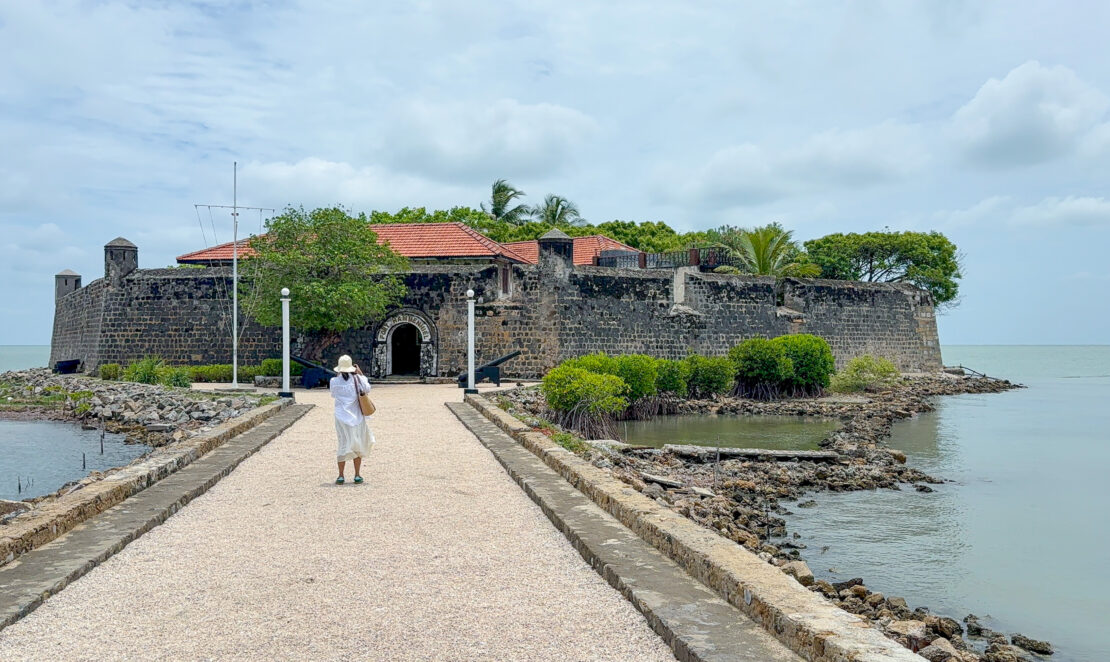
Sail to the Stone Walls of Fort Hammenhiel
Rising from the sea like a storybook fortress, Fort Hammenhiel sits on a small islet between the Jaffna peninsula and Karaitivu Island. Built by the Portuguese in the 17th century and later fortified by the Dutch, the structure once guarded the northern approach to the island with cannon and stone.
Over the years, it’s worn many faces: colonial garrison, prison, naval base, and even a rehabilitation centre. Today, you can visit by boat, circling its curved walls and stepping onto a site where tropical heat meets European military design.
The fort isn’t large, but it’s atmospheric, especially when you see the numbers scratched onto the prison walls.
If you’re feeling really brave, you can stay the night – there’s a small guest room on site.
Relax at Casuarina Beach
Just north of the city, Casuarina Beach offers a soft patch of pale sand and calm, shallow water that barely stirs, even in the afternoon wind. Named after the slim trees that line the road, this is a quiet stretch where locals come to swim and sit without an agenda.
The clear blue water stays waist-deep for quite a distance, making it a great place for slow wading and safe paddling. Unlike some of Sri Lanka’s southern beaches, there are no waves here, just wide views and the occasional fishing boat on the horizon.
Watch the Horizon at Point Pedro
A narrow road stretches past palm groves and onion fields to reach the northernmost tip of Sri Lanka, where the land meets the sea at Point Pedro. Point Pedro is a simple spot: a concrete marker by the sea, some fishing boats, a few cows. And yet, it holds a certain pull.
Standing here, you’re closer to India than to Colombo. The sea opens wide and quiet. This is where locals come at sunset or during school breaks, often with snacks and nowhere else to be.
The land nearby has long been used for farming, and the beaches carry coral bits in the sand. While it’s not a place for swimming, it’s worth the journey for the geography alone.
It’s best to travel to Point Pedro by tuk-tuk or car. It’s also possible to combine it with a trip to Valvettithurai or other villages nearby on the same remote island belt.
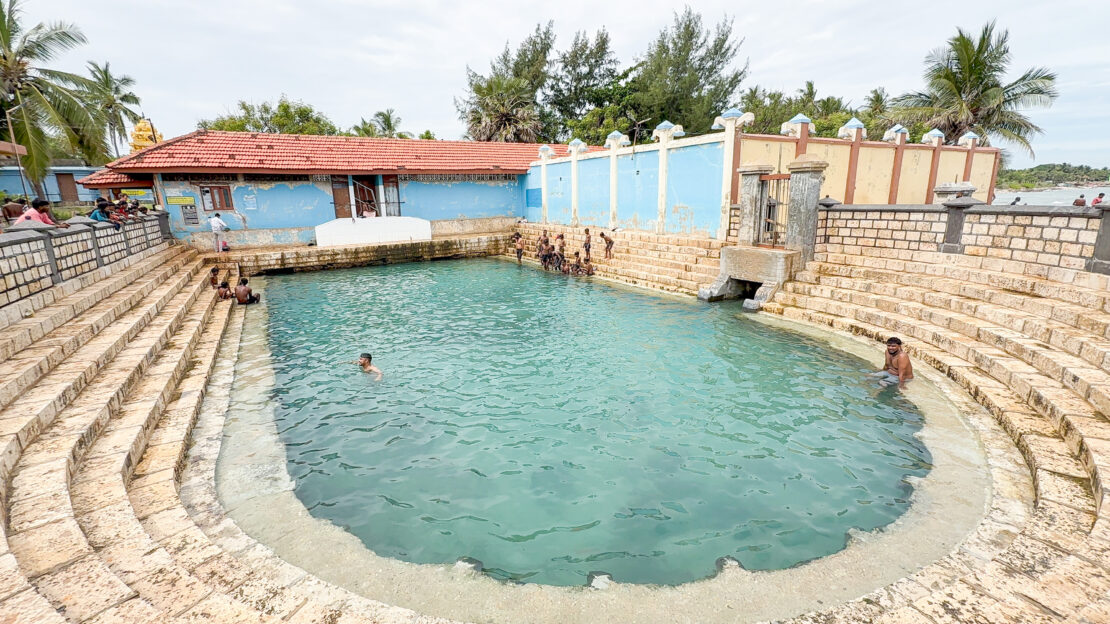
Cool Off at Keerimalai
Locals believe the clear waters at Keerimalai Pond have healing properties, so you’ll often find people bathing before rituals, or simply washing away the dust of a long day.
This spot is part of a larger temple complex, though visitors often come just for the pond.
The men’s area is large, spacious and passers by can watch people somersault dive. The women’s, by contrast, is fully enclosed by high brick walls.
It’s best to visit in the morning or late afternoon when the light softens and the air cools slightly. Bring a towel and some flip flops and perhaps a rash vest or modest bathing suit. It’s not a place for bikinis.
Visit the Jaffna Lagoon
The lagoon runs along the southern edge of the city, wide and still, catching reflections of rooftops, mangroves, and passing clouds. It’s not a single destination but a ribbon of water that shapes the land around it.
Several roads run alongside, offering clear views between houses and reeds. Locals fish in the shallows with simple nets, and herons stand motionless at the edge.
A slow drive along the lagoon road reveals small shrines and temples tucked behind palms. It’s a peaceful route, especially in the late afternoon, and well-suited to those who prefer to wander without a schedule.
Take the Ferry to Delft Island
Delft lies a ferry ride away from Kurikadduwan Jetty. The boat leaves early, often packed with schoolchildren, families, and the occasional vendor carrying baskets of goods. The ride itself offers views of the open sea and nearby islets.
Once you arrive, the pace slows. The island is known for its population of wild horses, descendants of animals left behind from the European occupiers.
Coral walls line many of the paths, built from fragments washed ashore over generations. There’s a baobab tree planted centuries ago, the remains of an old Dutch fort, and traces of a bygone administrative post. The island still has a hospital from that era, though much of it now stands quiet.
It’s best to bring water, snacks, and sun protection as there are no luxury spots here. Delft is part of a group of various islands in the region, but it’s the one that most travellers agree is worth visiting.
Explore Nainativu Island
Nainativu has drawn pilgrims for centuries. Boats leave from Kurikadduwan Jetty, weaving between fishing nets and birds skimming the surface. Once you arrive, the first thing you’ll notice is the hush. Even with visitors around, the island holds a kind of stillness.
The Nagapooshani Amman Temple stands bright with coloured statues and long colonnades. Devotees walk barefoot across the courtyard, stopping to light camphor or tie offerings to the sacred tree. Just a short walk away sits Nagadeepa Purana Viharaya, the Buddhist temple that gives the island its Sinhalese name (Nagadeepa Island), with ties to the life of the Buddha.
You can visit both sites in an hour or two, with time left to sit on the seawall and watch the ferry return. It’s a day trip, but one worth making.
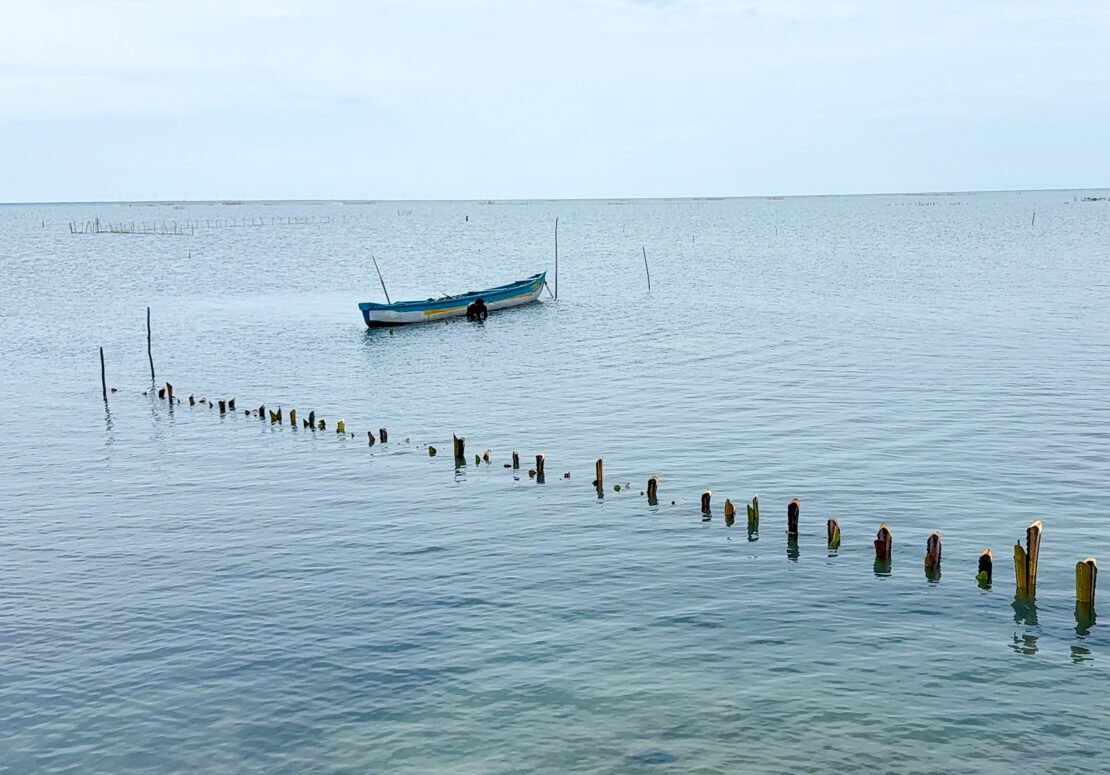
Island Hopping with a Local Boat
Beyond Delft and Nainativu, a string of smaller islands dots the coast: Eluvaitivu, Analaitivu, Karaitivu. Some have temples, others are mostly farmland and sea breezes.
Getting there often means arranging a private boat from Kurikadduwan or another fishing harbour. You’ll need to ask around or use a driver who knows the contacts. It adds extra cost, but for those looking to leave the usual routes behind, it opens up a different kind of travel.
The local bus doesn’t reach most of these, and you won’t find many signs pointing the way. This kind of island hopping fits best with a flexible plan and a whole lot of patience – but if that’s your kind of thing, then go for it!
See Colonial-Era Railway Ruins
Between Jaffna town and Kankesanthurai, remnants of the old railway still appear in rusted tracks half-buried in grass.
Some spots are easier to reach than others. One of the most visible is near Chunnakam, where the abandoned rail line cuts across open land. A short walk along the tracks brings you to what’s left of a colonial-era stop: broken pillars, bricks blackened with age, and the occasional graffiti mark that marks time differently now.
It’s not a major attraction. That’s part of the charm. If you’re looking for cool places that haven’t yet been dressed up for tourists, this one rewards quiet curiosity. Bring water, walk slowly, and look twice.
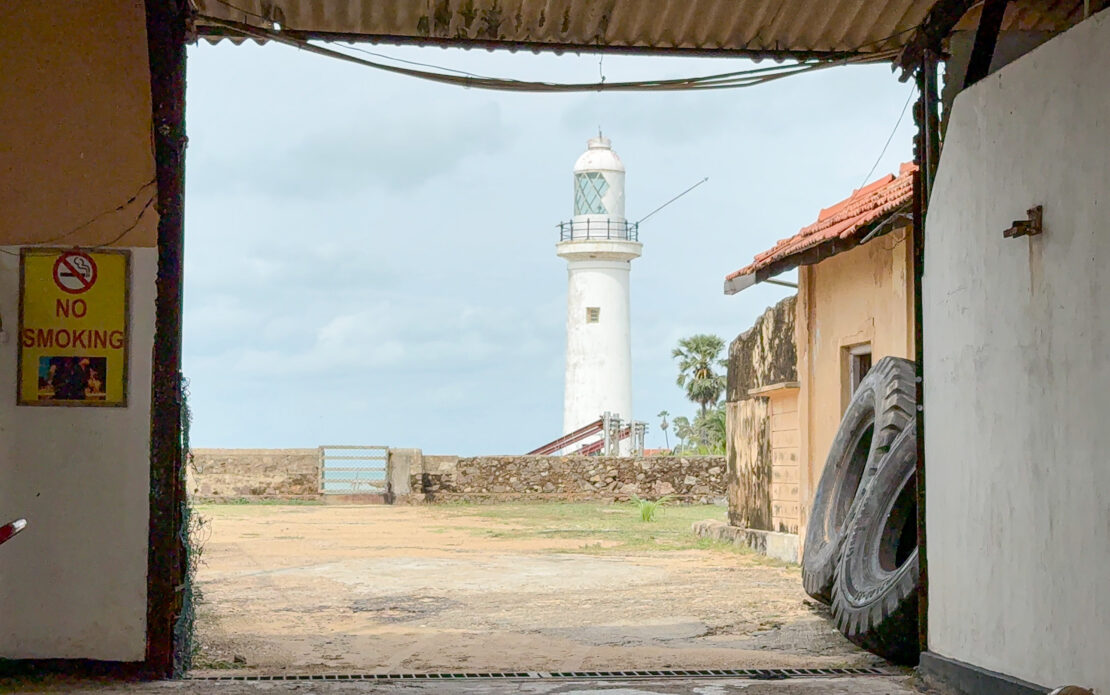
Ride a Tuk-Tuk Through the Outskirts
Hiring a tuk-tuk for a few hours opens up the outer rhythms of Jaffna. You’ll pass walls painted with Hindu deities, goats tied under palmyra trees, and shops that sell only one kind of biscuit.
Many drivers double as informal guides. They’ll suggest temples, offer you fruit from their garden, or take detours to avoid the beaten track.
It’s the best way to cover ground while staying connected to what’s around you.
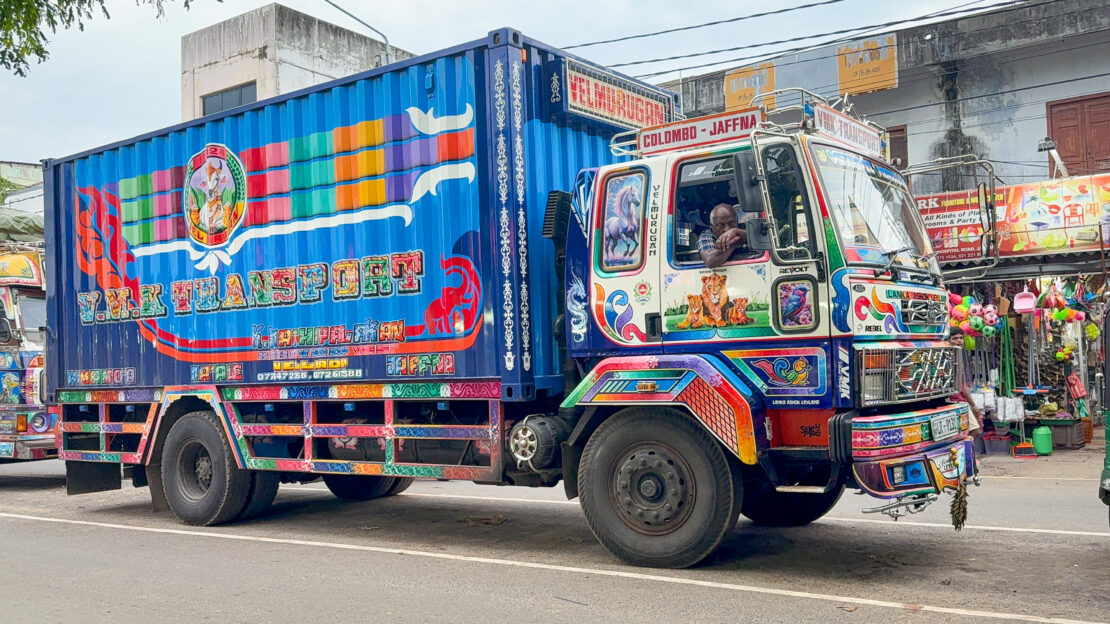
Take a Local Bus Across the Peninsula
No timetables printed in English, no digital boards. Just handwritten route numbers, open windows, and the steady rhythm of stops called out in Tamil.
Routes run between Jaffna Town, the peninsula’s northern coast, and small communities along the way. The buses move slowly, wait for schoolchildren, pick up baskets of jackfruit, and pause wherever needed.
You’ll share space with families, monks, and vendors. For travellers who value authentic travel experiences, it’s a route worth taking.
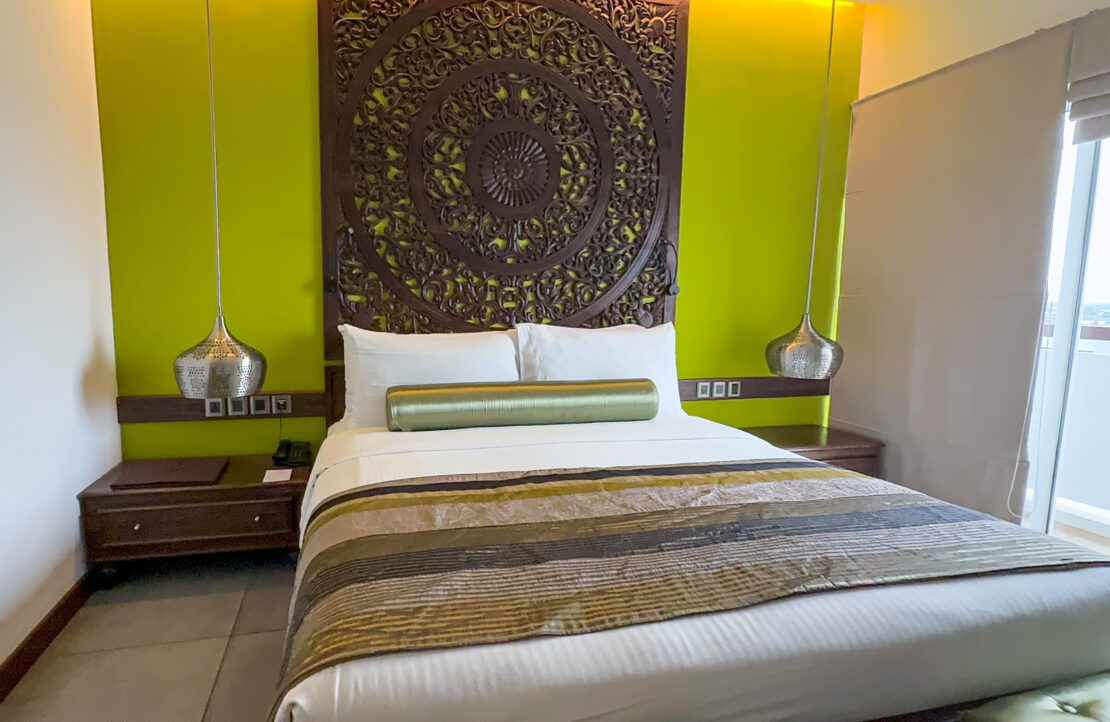
Stay at Jetwing Jaffna or a Boutique Hotel
Jetwing Jaffna offers a stylish place to stay, with a great buffet of Sri Lankan delicacies to try. The rooms are clean, well-sized, and fitted with the comforts you’d expect from a trusted name in Sri Lankan hospitality.
It’s a perfect place to start or end your time in the north, a quiet base after day trips, or a soft landing if you’ve been moving through the rest of the country.
The best time to book is between December and March, when the weather stays dry, and days stretch long.
Is it Worth Visiting North Sri Lanka?
More on South Asia
- The dark side of traditional arts and crafts in Sri Lanka
- How to climb Sigiriya Rock in Sri Lanka
- Mysore food: the 12 dishes you need to know in southern India
- How Mysore Palace history surprises everyone who visits
- 21 of the best things to do in the Maldives
- The best dive resorts in the Maldives