
Don’t let allergies stop you from seeing the world. Just learn how to prepare well with these tried and tested tips on how to travel with allergies.
Allergy-Friendly Travel Tips
If you’re here searching for tips on how to travel with allergies, then first of all, commiserations. Whether it affects you directly or whether you’re travelling with someone who has to manage this, it would all be easier if you didn’t have to.
The good news, though, is that for the vast majority of people, allergies don’t need to stop you from seeing the world. You just need to manage things a little differently.
Why should you listen to me?
I’ve been travelling professionally for several decades now and while I don’t suffer from allergies myself, I do have lactose intolerance, and there’s quite an overlap between managing that and managing allergy symptoms, even though the pathophysiology is different. I also have close family members with multiple allergies, some very severe.
And finally, I trained and worked as a doctor in Emergency Medicine and Intensive Care, so that’s a handy background to have when writing about this topic. As ever, though, I have to stress that whatever I write here isn’t and shouldn’t be considered personal, professional advice.
It’s more a collection of helpful tips based on a sound foundation and some lived experience.
I hope you find some of it helpful. And if you can think of anything that I’ve missed, please let me know.
While everyone’s condition is unique – and you should always follow personalised instructions from your own doctor – there are universal principles that help allergy sufferers prepare for travel, stay safe, and still enjoy the journey.
Below is a practical guide for allergies and travel, whether you’re planning a weekend away or traveling internationally across multiple time zones.

What You’re Up Against
When people with food allergies or environmental sensitivities travel, you’re exposed to unfamiliar food labelling, new cuisines, and different allergy policies. International travel adds further hurdles with language barriers, varied emergency services, and differing standards for allergy management.
For children with food allergies or those with severe allergies to tree nut or peanut, even small mistakes can trigger a severe allergic reaction. Likewise, airborne irritants like dust mites, pet dander, and regional pollen forecasts can worsen allergy symptoms or asthma.
You don’t really need me to remind you of this.
But successful, low-stress trips come down to two things: anticipation and accessible help. Imagine the worst, then plan accordingly.
With preparation, you can dramatically reduce the risk of an allergy emergency.

Before You Go: Medical Prep, Research and Your Action Plan
For the sake of this article, I’m going to go all in and imagine that you have quite complex allergy needs. If you don’t, if yours are quite mild, then just ignore the parts that don’t apply.
Book a pre-travel appointment
- See your GP or allergist several weeks before your trip. This is the time to:
- Review medications and ensure you have enough allergy medications for the full trip
- Renew prescriptions for epinephrine auto-injectors and inhalers
- Discuss any need for updated allergy testing
- Request a travel letter signed by your doctor explaining diagnosis and required medicines, helpful for security checks
- Make sure you know exactly how to use any emergency medication and the signs to look out for and make sure that any travel companion knows this too.
Alongside this, create or update your written action plan – this is especially important for those with severe allergies, peanut tree nut sensitivities, or a history of reaction to peanuts. Keep copies of your allergy plan in both digital and printed formats and consider translating them into the language of your destination.
Research your destination thoroughly
Before heading abroad, look into:
- Local emergency numbers and nearest hospitals (local emergency services vary widely)
- Regional cuisine and common food allergens
- Local allergy policies in schools, hotels, and airlines
- The availability of familiar brands of emergency medicine
- For environmental allergies, check local pollen levels and seasonal variations: high pollen counts may affect allergies and asthma, especially for allergy sufferers moving between climates.
- If needs be, contact the accommodation and airline to let them know in advance

Staying Safe With Food: Preparing, Ordering and Packing
Food planning is key, particularly for living with food allergies in unfamiliar surroundings.
Prepare your food options
Whenever possible, prepare your food in advance. Before long days out, it’s wise to bring food you know is safe. This ensures you always have safe food and food on hand even when options are uncertain.
Remember that things can and do go wrong on the road, with delays and cancellations leaving you hungry with few options. Keep a supply of reliable snacks for situations when food allergens aren’t clearly labelled.
Now, it depends on your exact circumstances, of course, but the following tend to keep for a while and not get too squished or messy:
- Pot noodles or pots of rice or couscous if you need to avoid gluten
- Nuts – unless, obviously, allergies
- Dried fruit – not just raisins but cranberries, mango, pineapple etc
- Homemade flapjacks
- Salami sticks for protein
- Rice cakes and crackers
Choose accommodations that support allergy friendly cooking
Apartments with kitchens or hotels offering allergy-aware services give easier access to safe meals. This can help reduce reliance on restaurants when traveling abroad, especially in areas with less rigorous food labelling.
Communicate clearly with restaurants
Carry printed chef cards or allergy cards outlining your allergens in the local language, making it clear whether you’re allergic to peanuts, tree nuts, shellfish, or wheat etc
These cards help avoid misunderstandings, especially for allergies children may struggle to explain under pressure. They bridge language barriers and reduce the chance of cross-contamination.
Know the high-risk food scenarios
Buffets, street food and kitchens with limited training in allergy management can increase the chance of accidental exposure. When unsure, stick to labelled packaged items or restaurants with clear allergy friendly procedures.
Of course, sometimes it’s useful to have input from a lawyer as well. Look for someone who deals with food allergy cases
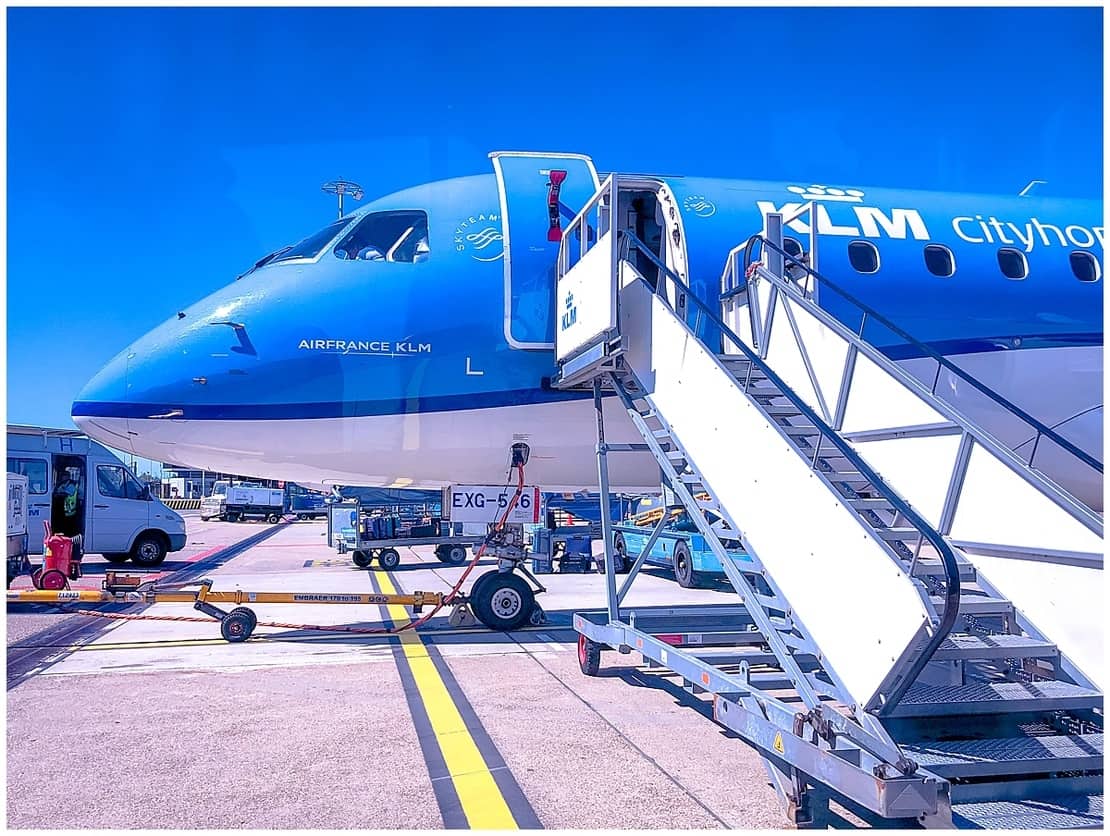
Flying With Allergies: Air Travel Without the Stress
I know that people often tell me that flying is the most worrying part of a trip – but it needn’t be. Airlines are well regulated and, although there are exceptions, most staff are fully up to speed with managing allergies now – and managing emergencies.
But you do need to let them know in advance. Here’s what to consider.
Understand the real risks
For most people with food allergies, the main risk on planes is surface contamination, not airborne exposure. Wipe down tray tables, armrests and seatbelts to reduce contact with residues such as peanut or tree nut traces.
Changes in air pressure during flight can occasionally aggravate allergy symptoms, sinus issues or asthma, so keep inhalers and emergency medical supplies within reach.
Always carry medications in your hand luggage
Never check your epinephrine auto-injectors, inhalers, or antihistamines into the hold. You must have immediate access to them in any allergy emergency, so put them in your carry-on luggage and don’t be afraid to refuse to put them into the hold if asked. When you take your seat, make sure you have easy access to these emergency drugs – don’t leave them in a suitcase further along in a plane. The last thing you want when you’re experience an attack is to have to navigate the food trolley and a queue of people for the toilet.
Fly with safe snacks
Airlines often promise to cater to dietary restrictions but the results, in my experience, are extremely variable. Plus, delays and turbulence can prevent the food service entirely. Always fly with safe snacks to make sure you are taken care of.
Get your paperwork in order
As mentioned earlier, it’s a good idea to travel with a letter from a doctor, in print and digital format, to explain any medication you need to have with you beyond simple antihistamines. Translate this into the language you need, bearing in mind the language spoken in transit as well as at your final destination. For example, if you’re flying to Australia from the UK but a stopover, however brief, in the Middle East en route, then an arabic translation of key medical information should be a part of your travel plans.
Notify the airline
Some airlines allow early boarding, offer buffer zones, or have established allergy policies. This is especially helpful when traveling within large countries or during long-haul foreign travel. If you have a severe allergy, it’s always worth letting the airline know in advance so that they can help you. For a peanut allergy, for example, they can stop serving peanuts. That’s pretty easy for them to do but it really does help if they know in advance.

Environmental Allergies: Beyond Food
Food tends to dominate discussions about allergy-aware travel, but managing triggers such as pollen, dust mites, pet dander and mould is equally important.
Accommodation strategies
Request rooms away from pets if the hotel permits animals, avoid older carpeted rooms if sensitive to dust mites, and use air conditioning when pollen is high. You can also pack your own hypoallergenic bed linen and a small hoover if that helps. Look for accommodation with easy washing facilities if you are sensitive to other detergents and wash the linen provided before you begin.
Outdoor travel considerations
If you have allergies and asthma, check pollen forecasts before booking outdoor-heavy itineraries. Keep inhalers and antihistamines accessible during hikes, safaris, or coastal adventures.
Documentation, Insurance and Emergency Care Planning
Insurance matters
Check that your policy covers emergency care, anaphylaxis treatment, hospital visits, and repatriation. Disclose everything as omissions, however small, can invalidate claims.
Keep your documents organised
Your travel folder should include:
- Copies of your allergy action plan
- Prescriptions and generic medication names
- A list of local emergency numbers
- The address of your nearest medical facilities
- A medical alert bracelet or card
All of this speeds access to medical help if needed.

Travelling as a Family: It’s A Team Effort
I’ve written this for families but it really applies to any group of people travelling together. It all works better if everyone is on the same side and does their best to manage any allergies.
There is an invisible mental load to all this and, as with many things in life, it’s easier to manage if it’s shared.
Talk openly with fellow travellers and make sure that everyone is allergy aware, in age-appropriate language of course.
Ideally, make sure that you’re not the only person who knows how to manage the epi-pen. Rehearse it with children and adults alike, rehearse what to say in restaurants, and empower everyone to participate in taking precautions.
This is often easier said that done. I know that with lactose intolerance, I have been amazed (and honestly, appalled) at how many people cannot grasp what seems to be quite simple. And I know that with family members, I have lost count of the times that a family member themselves has offered up an offending item to a child with an allergy.
What can we do? Calmly and firmly repeat and repeat as many times as is necessary – and try not to take it personally.
Encourage everyone in the travel group to learn signs of a severe allergic reaction, where medications are stored, and how to call for help.
Teamwork can really help people feel cared for an appreciated – plus, it reduces the chance of an offending allergen slipping through.
Quick Checklist: Tips to Manage Allergies While Travelling
- Update your action plan and bring extra meds
- Carry two epinephrine auto-injectors
- Use allergy cards or chef cards for restaurants
- Wipe surfaces during air travel
- Keep safe food and snacks with you at all times
- Review food labelling standards for your destination
- Research hospitals before traveling internationally
- Check pollen counts or pollen forecasts
- Anticipate language barriers in restaurants
- Wear a medical alert bracelet
- Use resources from trusted food allergy organizations
- Confirm airline and hotel allergy policies
- Get your fellow travellers on board with managing all this

Final Thoughts: Yes, You Can Travel With Allergies But Plan to Be Annoyed
I’m writing this a little tongue in cheek. But what I’ve learned over years of travel with this is that you have to develop the patience of the proverbial saint when dealing with dietary restrictions of any kind.
Some people won’t listen. Some people will want to grill you about it (and not so subtly make out that you’re wrong, sensitive or being overcautious.) You’ll even come across people who get a little angry about it (something I’ve never really understood) or who try to “trick” you into eating something to “prove” that “it was all in your head.”
Stand. Your. Ground.
It is never worth knowingly making yourself ill or taking that risk just because someone else doesn’t want the inconvenience or doesn’t really “believe” in allergies because “no one seemed to have them when they were a kid.”
I don’t really swear much but you can on the inside when you run into situations like this.
Fortunately, they are rare and the vast majority of people you meet will be helpful, decent human beings.
Sometimes, it helps to imagine yourself covered in teflon or an invisible bubble. Some kind of outfit that means that these barbs and frustrations will just bounce off you and go away.
But above all else, don’t let this kind of thing put you off from living life to the full, travelling the world and enjoying all that this magnificent planet has to offer.
You deserve to see it too. So, pack safe, prep well and go and have a cracking great time.
You May Find These Organisations Helpful:
They can provide downloadable allergy cards, travel checklists and updated advice on international food allergy standards. And, sometimes, it’s just nice to connect with people in the same boat as you.