
We all want to feel as though we’re visiting ethical travel destinations. But it can be a complex subject to pick apart. Here, we visit the idea of ethical tourism and introduce the best ethical travel destinations in the world.
Ethical Travel Destinations: Where Your Visit Does More Good Than Harm
What’s one of the most satisfying things you’ve ever done? It was probably something where someone else benefited along the way. Despite the gloomy headlines, that’s just how we humans are wired.
Sure, we need to look out for ourselves. But we also need to look out for other people in order to survive. It’s part of who we are. And most of us want to do the right thing and make the right choice, particularly when it comes to travel.
We want to visit ethical travel destinations. We want to support ethical tourism.
But, simply put, it’s not that easy to work out the best ways of doing this. (Although, hey, if you’re looking for a place to start, try this guide on how to be a responsible tourist.)
Travel is one of the world’s most powerful economic engines, employing approximately one in ten people around the globe. That’s ten percent of people around the world who depend on travel-related jobs, not to mention the people they support.
As a traveller, therefore, the scope to play an active role in using this economic leverage to reward good is huge.

The Problem with Looking for the Best Ethical Travel Destinations
The problem is that nowhere’s perfect. No-one’s perfect. Trying to make a list of ethical travel destinations is as slippery and complicated as trying to herd toddlers uphill on skis.
It can be done. But it’s time consuming and not for amateurs!
Which is why having robust organisations to do it on our behalf is such a beautiful thing. Now, these organisations aren’t perfect either but it’s closer to perfection than anything else.
Nearly fifteen years have passed since I first received a press release which ranked countries around the world on their ethical credentials.
In coming back to update that article, it’s interesting to note that the language has changed over the years as well.
From Ethical to Sustainable Tourism to Regenerative
Sustainable tourism development has long focused not only on reducing harm but allowing profitability to make something sustainable – able to carry on in its current form.
More recently, the conversation has moved towards regeneration. It’s a topic I’ll delve into in another article – but in very brief terms, it’s about using travel to actively improve areas.
Yet for the ethical traveller’s decision-making, the shift is less dramatic than it sounds.
Whatever we call it, the fundamentals remain:
- Choosing our destinations well
- Supporting local communities and listening to them
- Avoiding exploitative travel experiences
- Understanding how tourism development affects the places we visit
- Not sending ourselves mad in the process: it’s impossible to get everything right
What Makes an Ethical Destination?
Of course, there’s no definitive ethical destinations list that can fully capture the complexity of the whole thing. But that’s no reason to give up and throw in the towel.
Certain patterns begin to emerge when destinations around the world begin to align with best ethical principles.
Here are some of the ideas that can change the world for the better – with a few examples I’ve found along the way.
- Recommended reading: what a sustainable food festival looks like in Mauritius
Community Impact
In countries dependent on tourism, decisions made by visitors directly influence livelihoods. Community-based tourism industry models aim to ensure that revenue supports local people rather than only external investors.

Environmental Conservation
From fragile beach ecosystems to protected forests, destinations that prioritise sustainability tend to embed conservation into tourism development, rather than treating it as an afterthought.
Governance and Social Welfare
The way countries treat their citizens matters. Reports like Freedom House’s Freedom in the World Report highlight differences in political rights and civil liberties, factors that increasingly shape discussions around responsible travel.

Cultural Protection
UNESCO World Heritage Sites can play a role in preserving historic sites, as well as biospheres and intangible heritage, but they also attract large numbers of visitors, creating new pressures. It’s the Catch 22 of travel writing, too.
Ethical Travel Destinations (Or Those Getting Closer)
Right, so after all those caveats and all that preamble. Let’s take a look at those places doing well in the sustainability charts.
Costa Rica: Conservation Embedded in Tourism Development
Costa Rica is often included in any list of the world’s ten best ethical destinations.
More than 25% of its land is protected, and environmental conservation is supported through policies that reward landowners for preserving forests. Tourism is closely tied to this system.
The country has also developed a strong community-based tourism industry, offering travel experiences that connect visitors with local communities.
Yet even here, pressures remain. Popular beach areas and national parks test the limits of infrastructure, showing that even one of the world’s most established sustainable tourism models requires constant adjustment.

Slovenia: Coordinated Sustainability
Slovenia has positioned itself as a leader among European destinations.
Its national tourism board has implemented a green certification scheme aligned with international standards, encouraging tourism businesses to adopt better practices in their countries.
In Ljubljana, pedestrianisation and urban planning reflect a broader commitment to sustainability.
It is a model that shows how destinations well and cultivating long-term planning can support both visitors and residents.
- Recommended reading: one day in Ljubljiana
Rwanda: Tourism as a Conservation Tool
Rwanda has become known for its approach to safari destinations and conservation.
High permit fees for gorilla trekking support environmental conservation and provide funding for local communities. The country is often cited among stable democracies in Africa making progress through tourism.
The model is effective – but it relies on high-value tourism, which shapes who is able to participate.

Bhutan: Restricting Volume to Protect Value
Bhutan controls visitor numbers through a daily fee, directing revenue towards social welfare, infrastructure and conservation.
This approach limits overtourism and ensures that tourism contributes to national priorities.
However, it also raises questions about accessibility. Ethical travel, in this context, becomes tied to affordability.
New Zealand: Responsibility Framed Through Culture
New Zealand encourages visitors to see themselves as temporary guardians of the land.
This approach reflects Māori values and invites travellers to take an active role in redefining their impact.
At the same time, though air travel remains a significant factor, particularly for long-haul destinations, raising questions about occasional air travel to increase one’s understanding versus its environmental cost.

Finland: Systems That Support Better Choices
Finland consistently ranks among destinations that prioritise sustainability.
Its infrastructure combines clean energy, efficient transport and careful planning, which makes it easier for travellers to make responsible choices.
But even here, tourism in sensitive regions requires careful management, particularly where indigenous communities are involved.
Destinations in Transition
Some countries are still working towards better models.
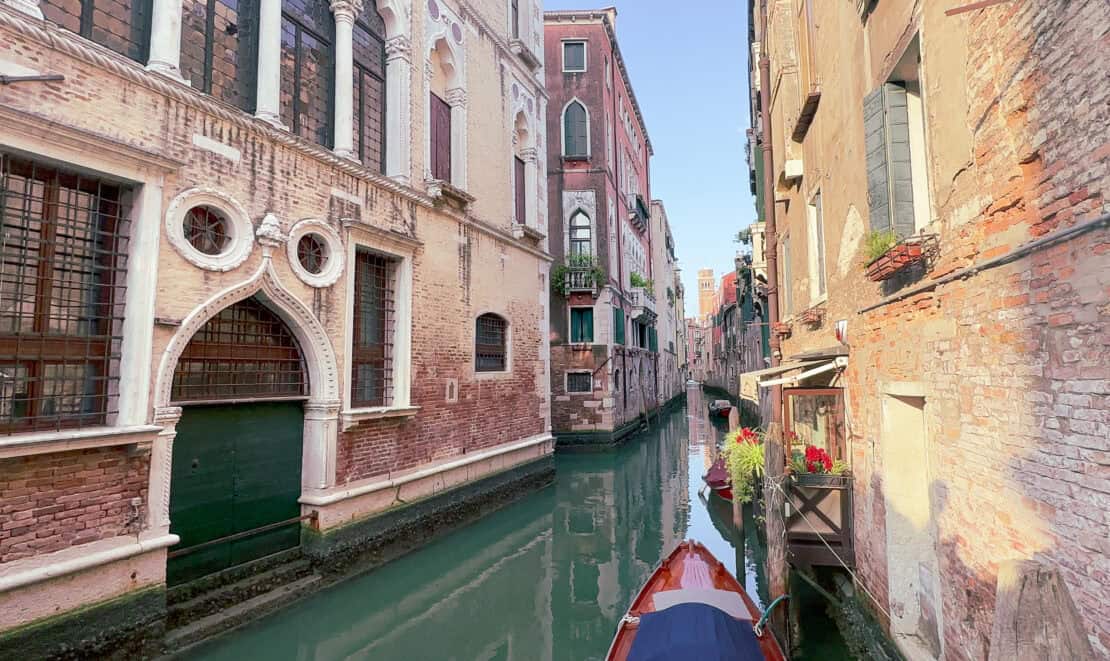
- Venice is introducing controls to manage overtourism around its historic sites. Discover how to get off the beaten track in Venice here.
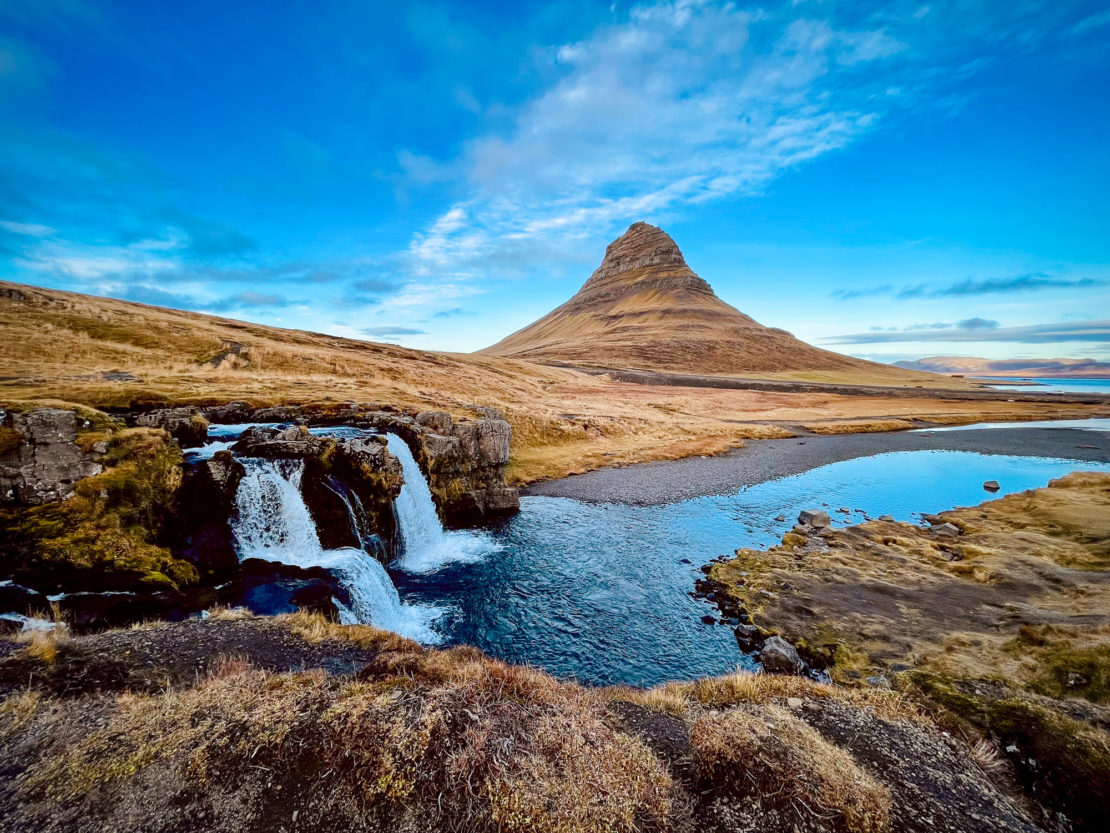
- Iceland is adapting to rapid growth.
- Thailand has taken steps to restore damaged beach ecosystems.
Who Decides What’s Ethical?
And we’re back to the caveats again. There is no single authority defining ethical destinations. And, realistically, there couldn’t be, could there for a topic as complex as this.
Instead, let’s take a look at the big beasts that do their best.
Global Sustainable Tourism Council
The Global Sustainable Tourism Council provides a framework for sustainable tourism development.
Its criteria influence tourism board policies and industry standards, helping shape how destinations approach sustainability.
Green Destinations
Green Destinations evaluates destinations around the world, focusing on sustainable tourism development, community-based tourism industry practices, and environmental conservation. Their annual rankings and certification programmes highlight winning countries and emerging destinations that demonstrate measurable progress
EarthCheck
EarthCheck focuses on measurable environmental performance. Its work supports tourism businesses and destinations aiming to align with global best practice.
Ethical Traveler
Each year, Ethical Traveler surveys the world’s developing nations, assessing four general categories: environmental protection, social welfare, human rights, and animal welfare. The result is a detailed and helpful list of the most ethical places to visit in any given year.
The Pros and Cons of Ethical Travel Lists
When it comes to “Top Ten” lists, I find them fun but I never take them seriously. They obviously weren’t designed to be.
So when an email landed in my ludicrously overpopulated inbox with the subject “The Top Ten Ethical Destinations,” my cynical old heart sank a little. Why? Because this was something that I really wanted to believe someone had put some thought into, that this might actually be something that “meant” something.
But a lifetime’s digital flotsam and jetsam prepared me for the worst.
In spite of myself, I opened it.
It started with a pleasant surprise (addressed by name! spelled correctly!) and then quickly moved on:
Sounds good. What’s your evidence base?
It was around this point that my cynicism began to weaken: UNICEF, Amnesty International, The World Bank – and the list certainly didn’t end there. Even the quote had a sense of perspective and reality.
Are you dodging the hard questions?
“Suriname was removed from our list after the UN Committee on the Elimination of Racial Discrimination urged Suriname to ensure legal acknowledgment of the collective rights of Indigenous Peoples. We remove Suriname with regret, as the country had conquered a place in last year’s Top 10 due to its unspoiled rainforest biodiversity and sincere efforts towards ecotourism and environmental preservation.”
Are you saying that everything’s perfect?
“None of the countries on this year’s Ethical Destinations list is perfect, and four countries must include special caveats. In Barbados and Dominica, homosexuality remains criminalized. Normally this is a deal-breaker for us, but the laws do not appear to be zealously enforced. We sincerely hope that our vote of confidence will persuade these country’s leaders to repeal these backward laws. Latvia, Lithuania and Poland should do more to prevent discrimination against ethnic and sexual minorities while Costa Rica, Argentina, and Barbados have to step up their efforts even further to halt sex trafficking.”
Who’s behind this again?
The even better news was learning that this annual reports comes from a non-profit organisation called Ethical Traveler, a set-up that calls travellers to “vote with their wings.” Travel and tourism is the world’s largest industry and Ethical Traveler urges people “to use their economic power to address our planet’s urgent environmental and humanitarian problems.”
I couldn’t agree more.
So, What’s a Would Be Ethical Traveller To Do?
That’s a whole series of articles in itself, if not a life mission.
But let’s start with what we can:
- Avoiding places that are obviously exploitative
- Supporting social initiatives and showing support for best practices, wherever we can
- Visiting the countries that have better human rights records and other progressive policies and practices
And keeping up to date with the topic. You can read more about responsible tourism in our archives here or subscribe to our newsletter here.




I have been 8 destinations out of 10 that you mentioned. So really happy to see that my choice is good. now looking forward to explore remaining two.
Fantastic news! I was doing pretty well in previous years but only have visited 2-3 on this year’s list (the vagueness is because I was in one for such a short period of time, I’m not sure if it really “counts.”) I’m definitely now looking forward to exploring the rest.
I hate to be deliberately negative, but the entire concept is inherently incorrect. “Ethical” refers to societal norms. Most of what is being argued is individual-based opinion and very much on the fringe. It is not innately ‘good.’ You could argue “value-based” or even “moral-based” travel, which is determined by you, but not ethics-based as you can’t determine that on your own…
Hey J – glad to have you hear and hear your thoughts. This isn’t my personal list, though. It’s one put together by an organisation pooling and combing through international data and the Geneva Convention on Human Rights. I wouldn’t say that’s fringe – but perhaps I’ve misunderstood what you’re trying to say?
This list of yours is very good, but I would have been even happier if you had written about Costa Rica more thoroughly.
Fair enough! I hope to be able to add more in the future. What would you like to know?
Well, it can be a guide or maybe some interesting facts that attracts travelers!!