Discover what Spaniards already know about making the most of the cooler months with this guide to winter in Spain.
Why Visit Spain in Winter
First of all, let’s shake off a few misconceptions. Parts of Spain get cold in winter. Really cold. I don’t think I’ll ever forget shivering my way around the Sagrada Familia in Barcelona, the mini puffed clouds of my breath leaving a trail.
But while northern Europe reliably serves up frost and snow, Spain offers a different geothermal palette. The Canary Islands stay mild all year and down in Andalusia, Seville offers nine and a half hours of daylight come December 21st vs a meagre six in Oslo.
But the best part, aside from evening promenades and boat trips, is the total lack of crowds. No queues at museums, street scenes ripe for photography and enough available table spaces to make you feel like a god.
And, of course, if you do like the cold, white stuff, Spain has ski resorts as well.
So, after many years of living in and travelling around this lovely country, here’s my guide to enjoying Spain in the winter months.
Weather in Spain in Winter
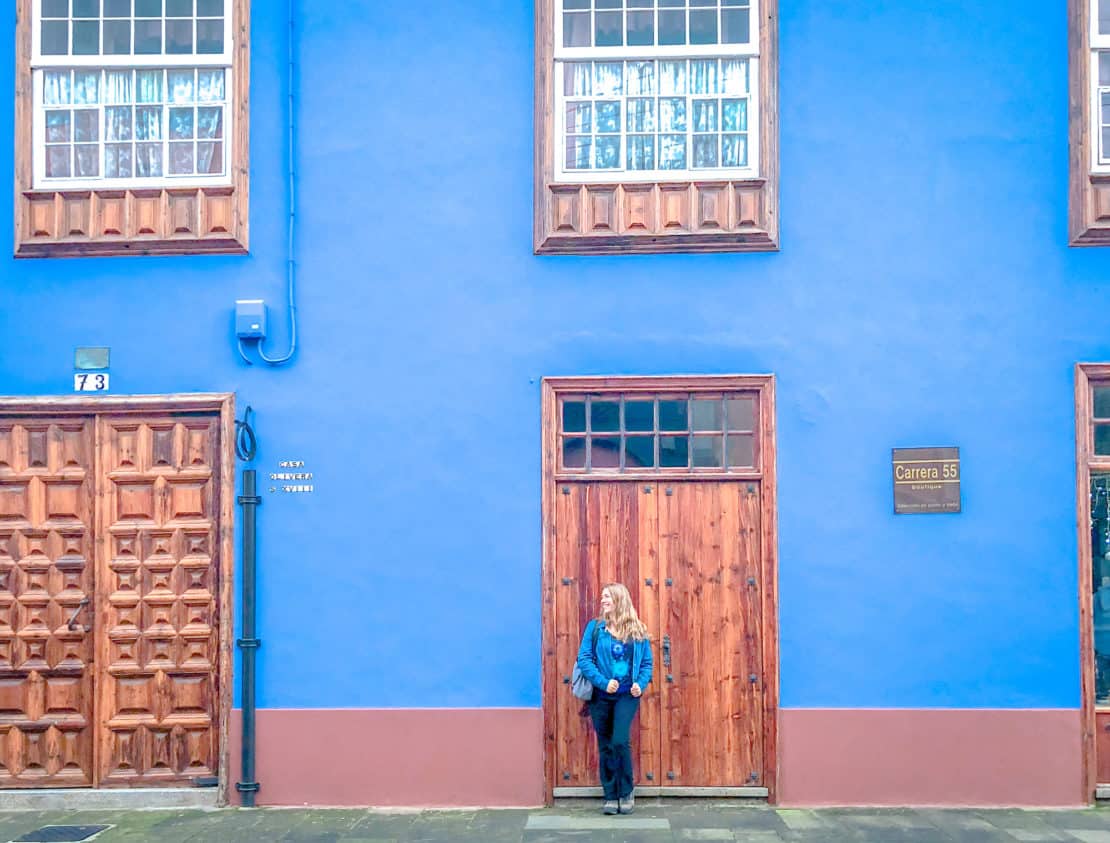
This is so important that it’s worth saying again. Spain is one of the warmest European countries overall , but the weather in Spain varies greatly depending on where you are going.
The Canary Islands, for example, drifting west of the coast of Africa, stay mild year round. With temperatures of around 25C, you can still go snorkelling, scuba diving, sailing, or sunbathing, with just a bit of staunch moral fibre, just as you would in July. This is your best bet for some winter sun.
Barcelona, in northern Spain, on the other hand, gets bitingly cold in winter. It’s still a beautiful place to visit, but wrap up warm and get ready to admire the twinkling city lights more than lounging around on the beach or swimming along the catalonian Costa Brava.
Northwest, in the Basque Country around Bilbao and San Sebastian, you will find a rainier Spain with fewer sunny days but still decently warm for the winter months. Asturias gets veiled in mist with temperatures of around 15C. Now is probably the best time to try their hot and heavy dishes based on morcillas and white beans.
The weather in Madrid is a bit chillier, especially in January, which is the coldest month in Spain. The temperature stays around 11C, so bring a jacket and a sweater if you’ll make a stop in the capital.
And lovely Valencia remains fairly mild, with even February trips bringing sunshine and ease outdoors.
What to Do: Winter Activities in Spain
Spain remains very much a Catholic country, so December is a busy month. The cities dress up in Christmas lights, and Christmas markets open in almost every town. People go hunting for gifts, and everybody is talking about parties and dinners.
The biggest event takes place on the night of the 5th of January, as the Reyes Magos or Three Kings parade through town and revellers throw sweets to children.
Here are some of my favourite things to do in Spain during the winter.
Visit the Christmas Markets: They’re Not Like The Rest
Spain’s Christmas markets don’t really resemble the snow-lipped chalets of Austria and Germany. But they’re still fascinating places to visit.
Look out for sweets shaped like black coal, ready to go in the stockings of children who have been naughty.
Next, raise your eyebrows at the cagana. Many families in Spain have intricate nativity sets, with pieces added each year until the whole ensemble becomes a family heirloom. While you’ll see many of the traditional figures at the Christmas markets (Mary, Joseph, and the wee little donkey) you’ll spot something else as well.
The cagana or, not to put it too delicately, the crapper. It is, indeed, a figure with his or her pants down, mid poo, with a coil on the floor to prove it.
What, you may ask, is this doing in a Christmas nativity? It’s kind of hard to say. And after years spent living in Spain, I’m still none the wiser.
Still, it does provide a new kind of tradition for winter in Spain: spotting the most creative cagana. Wooden, plastic, hand carved or mass produced, you can find a cagana as a smurf, a cartoon or even the Queen. Catalonia reigns supreme, in this regard, but look hard and you will find them everywhere.
Christmas in Spain
Christmas itself tends to be more of a religious day in Spain than in the UK. People head to cathedrals and churches on Christmas Eve for the Midnight Mass, also known as ‘The Mass of the Rooster’. People wear their best clothes, and you can hear the choirs from outside. But the biggest day is yet to come.
An old Spanish saying is ‘Esta noche es Noche-Buena, Y no Es noche de dormir’. It means that on Christmas Eve, there’s no room for sleeping. Which, does seem to be the country’s approach to most evenings, to be fair…
New Year’s Eve in Spain
Madrid is the place ot be on New Year’s Eve, specifically at the Plaza del Sol, which hosts a great outdoor party in its central square every year. Expect to see people dressed up with masks and wigs, confetti everywhere, music, honks, lots of laughter and jokes.
Then, as the New Year rolls in, you need to eat 12 small grapes within the 12 seconds as the clock strikes midnight. Each grape symbolises a month of the year to come, and the tradition says you should eat them if you want your year to be cheerful.
Trust me, it’s harder than it sounds.
Reyes Magos or Three Kings Day in Spain
On the 6th of January, the Spanish celebrate the day when the three kings arrived at that famous stable in Bethlehem. It is a big deal, and on the night before, you will see parades representing the three wise men, Gaspar, Melchior, and Balthazar, as they ride on fake camels through the town centre.
Floats follow with sweets thrown into the crowds – and sometimes, the camels are real.
Children leave empty shoes overnight and on the morning of the 6th, they wake to find them filled with presents.
It’s a bank holiday, so bear this in mind when planning your Spanish itinerary.
Skiing in the Pyrenees
I’ll admit, Spain wasn’t my obvious choice for skiing either. But you have more choice than you think. In Andalusia, you can enjoy mild weather in Seville in the morning and then head up the snowy Sierra Nevada to ski. The Cantabrian mountains also have some resorts.
But it’s the Pyrenees which offer up the most white powder, and they’re easily reached from Barcelona. It’s a great range for beginners and winter sports enthusiasts alike, with plenty of introductory slopes and good prices for ski lessons. However, remember that during the winter season, weekends can get crowded, so make sure to book your spot in a resort in advance.
Museum Hopping without the Rush and the Crowds
If you have ever visited Barcelona or Madrid in the summer, you’ll know that everything is crowded, from museums to Gaudi’s buildings, to cathedrals, to the rest of it.
When winter comes, the crowds are gone, and the museums become more peaceful. In most cases, you’re inside within minutes, instead of queuing for an hour or two.
Winter is the time to see Picasso’s Guernica at the Reina Sofia without feeling that you need to move along because you are blocking the view. Spend as much as you like in front of Francisco de Goya’s ‘Third of May’ at Prado or admire the details in Hieronymus Bosch’s ‘Garden of Earthly Delights’ at the same museum.
Even in Malaga, you can take in the Picasso Museum at leisure.
Beautiful Beach Strolls
If you’re planning a trip to Spain for hiking, then it’s a great time to visit. Enjoy the beachside promenades of Asturias and the Barceloneta or take to the UNESCO Biosphere in the Canary Islands.
I’ve also taken the best Spanish beach photos in the winter because there was almost nobody there. Just me and the wide sea, with woolly clouds and the promise of a new year coming.
Savour the Food
Spain’s food is always a highlight. If you only visit in summer, you may be confused about some of the traditional dishes. Visit Spain in winter and it all becomes clear.
It’s the perfect time to try a real Spanish hot chocolate. It’s thick like a pudding, and you eat it with a spoon. The mark of a good one is if the spoon can still stand up in the chocolate. Served with piping hot, fresh churros and it’s a dish made in heaven.
Then there’s Caldo: a pork or chicken broth served in a cup, and eaten with a spoon. It’s perfect for colder days.
Galicia serves up caldo Gallego to warm the cockles. Made with white beans, potatoes, cabbage and Galician chorizo, it’s said to ward off winter colds. Another great alternative is the Fabada Asturiana, but only if you can handle eating blood sausages.
Finally, make sure to try the the fabada. Asturians cook the meat for hours in a sauce of wine, tomatoes, cloves, and garlic. By the time it is finished, the meat simply melts.
The Best Places to Visit in Spain in Winter
Right, let’s get down to business. Here are some fantastic winter destinations in Spain.
The Canary Islands: The Best Bet for Winter Sun
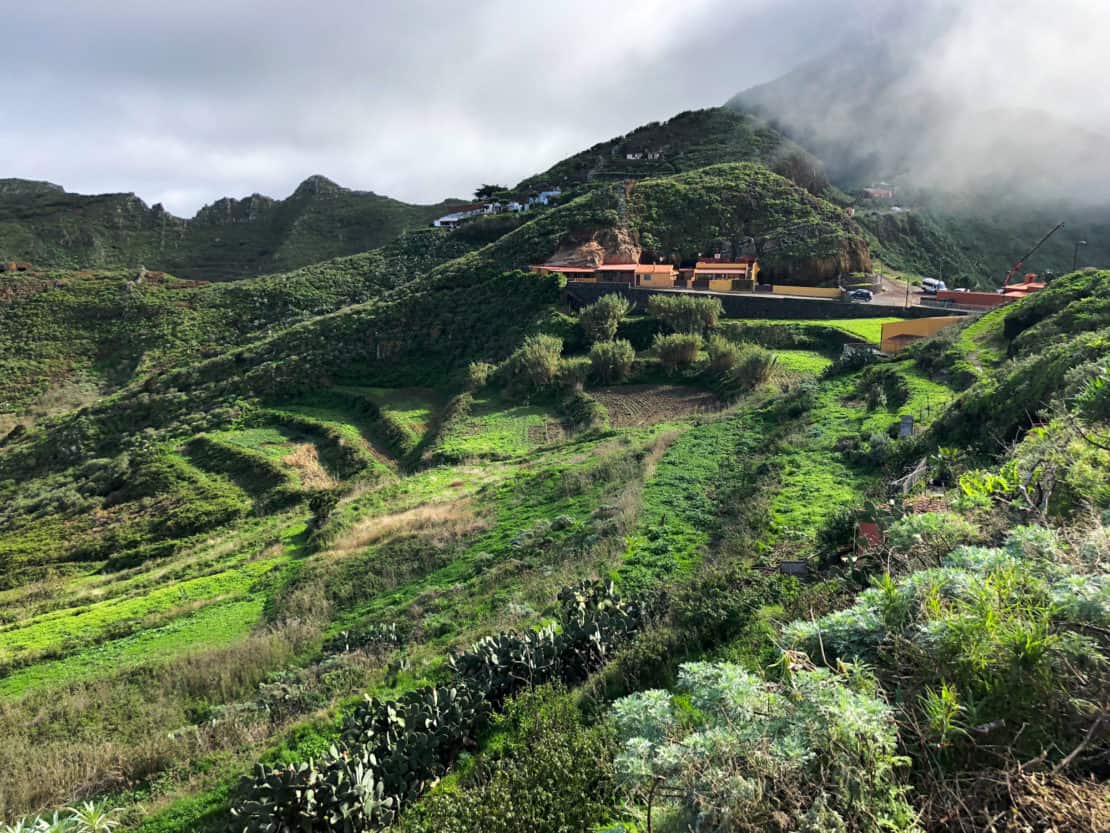
Relish the sunshine on the beaches in Gran Canaria or La Palma or try some of these unusual things to do in Tenerife.
The Spanish sky is phenomenal during nights with no clouds, and the stars are so strong, you’ll feel a bit dizzy just by looking at them. So book a star safari and go out at night with a team of astronomers to make the most of it.
You can rely on sunny weather and the winter temperatures are forgiving. They’re not scalding hot, but they should be warm enough for you to leave your coat at home. It’s the best weather that Europe has to offer and more to do than meets the eye.
In addition to beaches, bars and nightclubs, these islands offer fantastic hiking, UNESCO World Heritage Sites, cycle routes and, to top it all off, one of the world’s best carnivals for Mardi Gras in February.
The Balearic Islands
One of the most popular attractions in the Balearics is Palma, a magnificent city which combines vestiges from the Romans and Moors with contemporary Spanish influences. Here’s how to spend one day in Palma.
The Cathedral of Palma is stunning in every season, but a special event takes place only twice a year, and one of those times is 2nd February. Step into the cathedral on this day in the morning to see the light filtered by the stained-glass windows and creating the most dazzling effect.
The Balearics are also perfect for cruising, so you can hire a catamaran and go from one island to another, exploring the cute coves and beaches and picturesque bays.
Madrid
The capital in winter is all about culture and having the time to, well, take your time. Immerse yourself in centuries of art at the Prado Museum and the Reina Sofia and admire the Baroque grandeur of the Royal Palace of Madrid, too.
Stretch your legs in the Parque del Retiro, beautifully decorated this time of the year, and don’t forget to hit the Christmas market at Plaza Mayor. Think you know everything there is to know about the Spanish capital? These 31 facts about Madrid might have you thinking twice…
Inside tip: wander around Madrid’s literary quarter and then make sure you have time to visit the oldest chocolateria in the country.
Barcelona
Barcelona is one of Spain’s most popular destinations, even in the winter. But at this time of year, the streets of the Old Jewish Quarter are less crowded, and the markets becomes more accessible to tourists without annoying locals.
Take a full day to discover Gaudi’s buildings, from La Pedrera to Park Guell, while trying to figure out his unique vision. It is easier to connect to art and architecture masterpieces when there are only three other people in the room.
Take a tapas tour around the Old Town or, if the weather proves a bit chilly, take a cooking class instead.
Travelling alone? Check out our guide to exploring Barcelona solo.
And don’t forget that Barcelona is a great starting point for day trips. Go to Montserrat Monastery, only 50 kilometres from the city or visit the smaller city of Girona for more history and good food.
Cordoba
Cordoba is a tiny spot but an amazing one, combining Roman and Moorish architecture into some of the most beautiful buildings in all of Spain. The Mezquita Cathedral de Cordoba, a striking combination between a mosque and a church, remains one of the most spectacular buildings I have ever seen.
Malaga
Situated on the Mediterranean Coast and enjoying the waves of warmth specific to the south of Spain, Malaga doesn’t close its doors in winter. Beyond the natural and cultural beauty of the city, plenty is happening here, especially at night. Clubs boom with music and restaurants stay open until late. But there’s enough culture in the Picasso Museum and Old Town to keep you busy as well.
Santiago de Compostela
As the finishing point for El Camino de Santiago or the Way of St James, it’s not surprising that the city is one of the biggest centres of Catholicism in Europe. Here, inside the Cathedral de Santiago de Compostela, you will find the tomb of St James, which is usually a moving experience for both believers and non-believers alike.
Outside, there’s a decent Christmas market where you can shop for gifts and trinkets.
Granada
It’s a tough decision between Cordoba and Granada as to which is the more stunning. But luckily they are close enough together that you can visit both.
Visit the Alhambra, a Moorish palace and UNESCO World Heritage Site, and one of the most spectacular architectural complexes you’ll ever see. In summer, the burning overhead sun can make the visit a challenge, but in wintertime, it’s perfect.
From Granada, you can explore the Sierra Nevada Mountains to hit the ski slopes, too.
Cadiz
Another favourite in southern Spain, Cadiz sits on the coast of Andalucia and is famous for its sherry and dancing horses. The fino sherry tastings really opened my eyes as to just how much heritage goes into each barrel. Some of these drinks have taken more than one hundred years to produce. It’s mind boggling (as is the sherry.)
Then, there’s the Royal Andalusian School of Equestrian Art in Jerez de la Frontera, nearby, which is a phenomenal display of partnership between man and rider.
Seville
And, finally, Seville. As the hottest spot in Europe, Seville takes a break throughout winter, allowing you to make the most of her many, many sights. This was the city that launched the Columbus discovery expedition and which, in turn, received most of the gold. The architecture from that era reveals so much beauty and conceals so much pain but it’s fascinating to visit either way.
Seville is also the home to flamenco, so you’ll find the most traditional haunts here. I have so much to say about this city, my home for four years, so let me guide you to some more articles:
- What to eat in Seville
- Planning your Seville itinerary
- Getting off the beaten path in Seville
- Where to stay in Seville
- The best things to do in Seville
- The best food markets in Seville
- How to pronounce Seville the right way
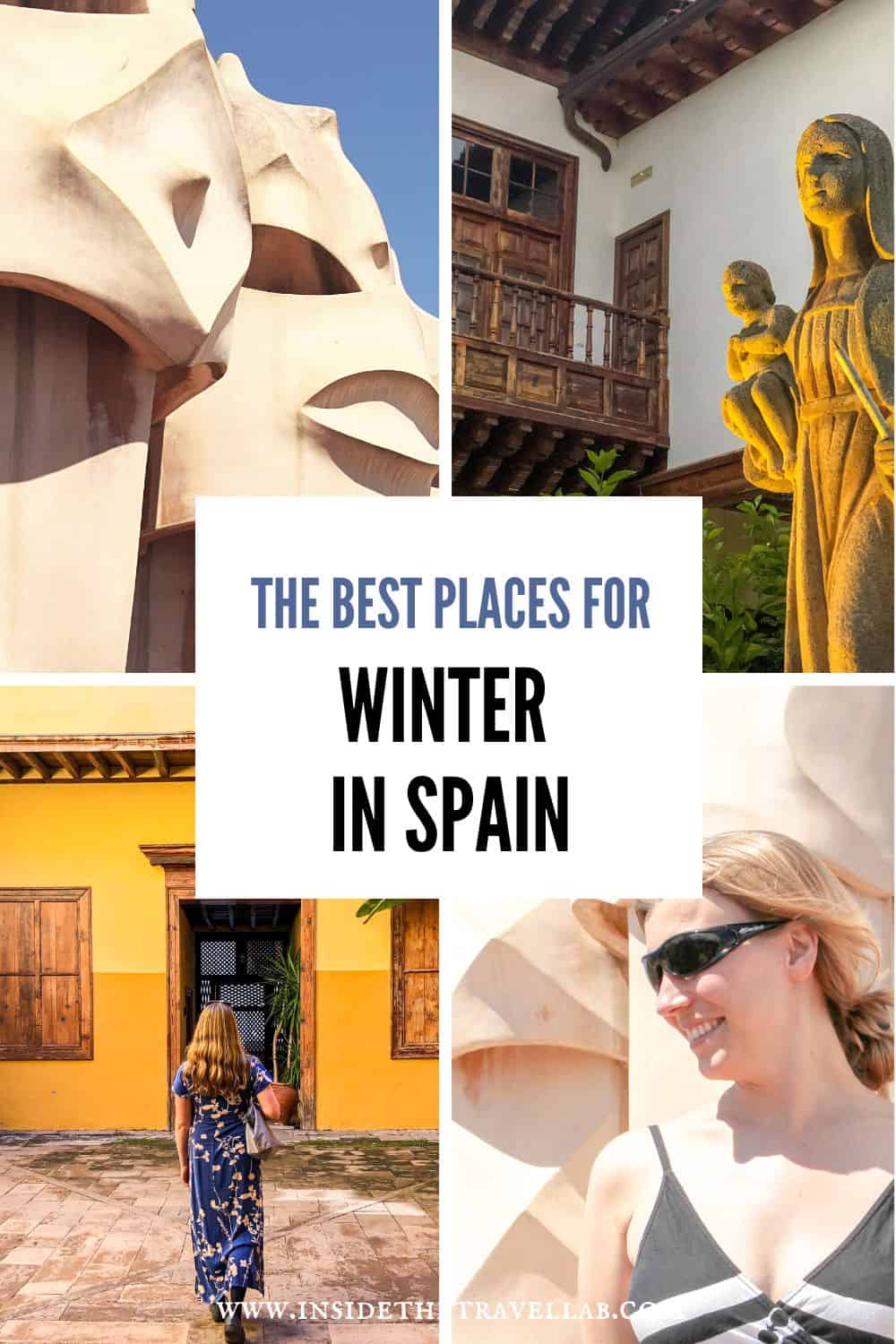
Why not bookmark this article on Spain in winter Pinterest for your next trip?
A Few Tips for Visiting Spain in Winter
- Check the weather. Spain may be famous for its sun but don’t be surprised to experience rain or even snow. Before booking your trip, check the weather forecast to see what to expect and pack accordingly.
- Make sure your accommodation provides heating. If you book an Airbnb apartment, you may find out upon arrival that there’s not a heat source inside. And while 15 degrees Celsius may be reasonable outside during the day, this doesn’t mean that the nights are just as friendly. Get more info on this subject before booking.
- Pack lots of layers. Winter in Spain is like autumn in most European cities. So you may have to wear a jacket in the morning just to notice you no longer need it in the afternoon. Bring shirts, sweaters, and jackets to make sure you stay comfortable. And don’t forget closed shoes.
- Book in advance. In general, it’s easier to find accommodation in Spain in winter as you’ll beat the crowds. But around Christmas, New Year and Reyes Magos in particular, this may change. Book as early as you can to, as they say, avoid disappointment. Also, be aware that some seaside resorts may close down over winter, so bear this in mind as well.
More Travel Articles about Spain
- The Spain quiz for curious people
- 49 Interesting facts about Spain
- Spain in one week: an itinerary for your first time in Spain
- How to plan a road trip through Andalucia
- Galicia: how to travel through the salty north of Spain
- The best road trips in Spain
- How to spend a summer in Spain
- Bilbao or San Sebastian for your next trip?
- The ultimate Spain packing list