Have all your questions answered with this Viking Jupiter Cruise Review of the Ancient Mediterranean Treasures route. Read or watch the video.
The Viking Jupiter Cruise Review: The Ancient Mediterranean Treasures Route
Let’s face it. The whispers of the ancient world refuse to stay silent. Thousands of years may have passed since Athens built the Acropolis and the foundations of democracy, since those soldiers filled the Trojan Horse and grown men feared the bloodthirsty Minotaur, fed human flesh and hidden deep in a dark maze. Since Cleopatra’s sister perished at Ephesus and the Romans built underground cities in today’s Istanbul.
Quite literally, thousands of years. Yet not only do the stories remain but the sights do, too. You can walk along the streets of Troy, stand on the earth at Plato’s Academy and go face to face with Medusa as she lies surrounded by coins in old Constantinople.
And what connects these places, ultimately? Why do the quests of Achilles and St Paul intertwine? They are all linked by the true blue waters of the Mediterranean Sea.
And so, what better way to explore the past than from the water itself, on a voyage across the Aegean from Istanbul and on to Athens, in search of ancient treasure.
The Viking Ocean Cruise Experience
This Viking Jupiter cruise review is going to drill down into the details of the recent cruise I took along the Ancient Mediterranean Treasures route from Istanbul to Athens to see if it is the best cruise for you. But since all the ships in the Viking small ship fleet follow the same design, it applies just as well if you’re boarding the Astrea, Libra, Lyra, Mars, Mira, Neptune, Orion, Saturn, Sea, Sky, Star, Vela, Venus or Vesta.
As for me, this was not my first cruise, nor my first Viking experience, but it was my first ocean cruise with Viking, having previously travelled along the Danube and Nile instead.
While the ocean cruises feel so much larger, the Viking ocean fleet is actually known as a small ship fleet since passenger numbers remain below one thousand and the luxury ships can still access most ports.
If I had to describe the vibe in a single sentence, I’d opt for a soothing retreat with a focus on quieter pleasure rather than a multicolour circus on the waves.
But as I don’t have to stick to one sentence, let’s share all the ins and outs. And check back again soon or subscribe to read more travel articles about the destinations themselves.
Disclosure – On this occasion, I travelled as a guest on the Viking Jupiter for review purposes. However, I have visited many of the ports on this route before and I always keep the right to write what I like. Otherwise, what’s the point?
First Impressions
A telescope shines in the Explorer’s Lounge, gazing out to sea. Maps from ancient mariners line the wall and a planetarium promises to show you the stars. Snow gathers in the spa and hibiscus, rosehip and cucumber sandwiches await at Afternoon Tea in the Wintergarden.
This ship embraces that childlike dream of adventure, exploration and discovery. But is sensible enough to serve it up in a grown up, comfortable style. And grown-up it is, since under 18s are not allowed on board.
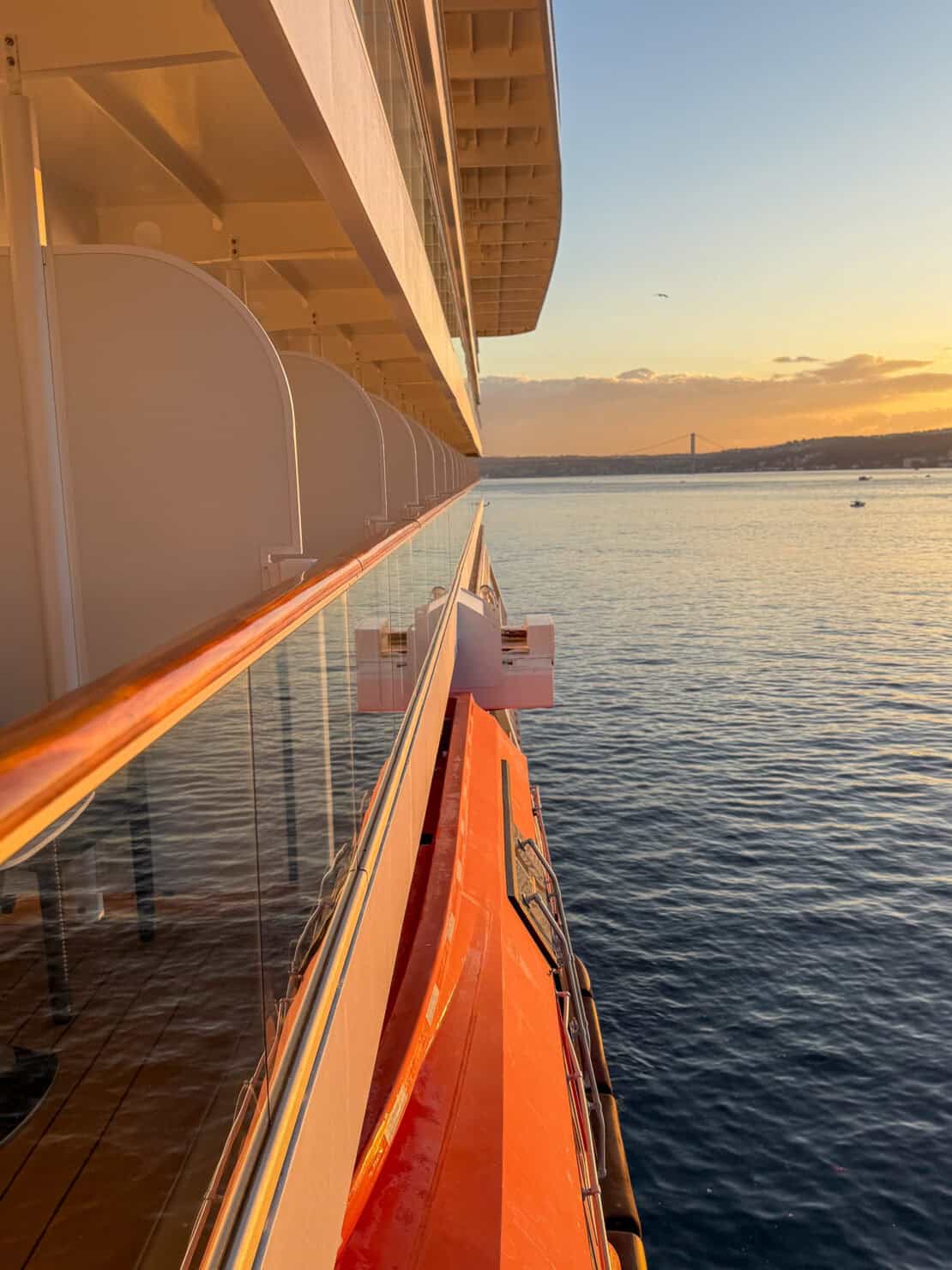
The Viking Jupiter cruise ship is an all-veranda vessel, meaning that every single stateroom has access to fresh air and views. They don’t have interior only cabins.
The Scandinavian design remains a hallmark of the brand, with clean lines, muted tones, natural materials and the odd Norwegian flair through sculptures and textiles.
Viking Ocean vs Viking River Cruises
Some aspects are very similar, such as the Aquavit Terrace, the decor in the rooms and the flawless organisation which means you can see and do so much more than when you’re going solo.
But there are bigger differences. Mainly, the question of anonymity as a solo traveller. On the ocean, the cruise line arranges drinks for solo travellers and enough social events to make it easy to mingle. But you can hide away. On the river cruise, that is unrealistic.
River ships are intimate, narrow and tied closely to the landscape they pass. It’s the work of moments to embark and disembark.
Ocean ships, even those built on a modest scale like Viking Jupiter, have more facilities, wider views, and a greater sense of independence from the land. In practical terms, that means that you need to consider medical conditions more and the time taken in certain (but not all) ports to board the port and go through customs.
Yet Viking has clearly tried to carry certain elements of river cruising into its ocean programme: the focus on learning, the preference for destination over spectacle, and the consistent quality of crew and staff. Whichever you choose, it’s obvious that you are on a Viking ship.
How Different is the Viking Jupiter to Others in the Viking Fleet?
Not at all. It’s identical to the other Viking Ocean Small Ships (Astrea, Libra, Lyra, Mars, Mira, Neptune, Orion, Saturn, Sea, Sky, Star, Vela, Venus and Vesta) but bigger than the River Cruise fleet.
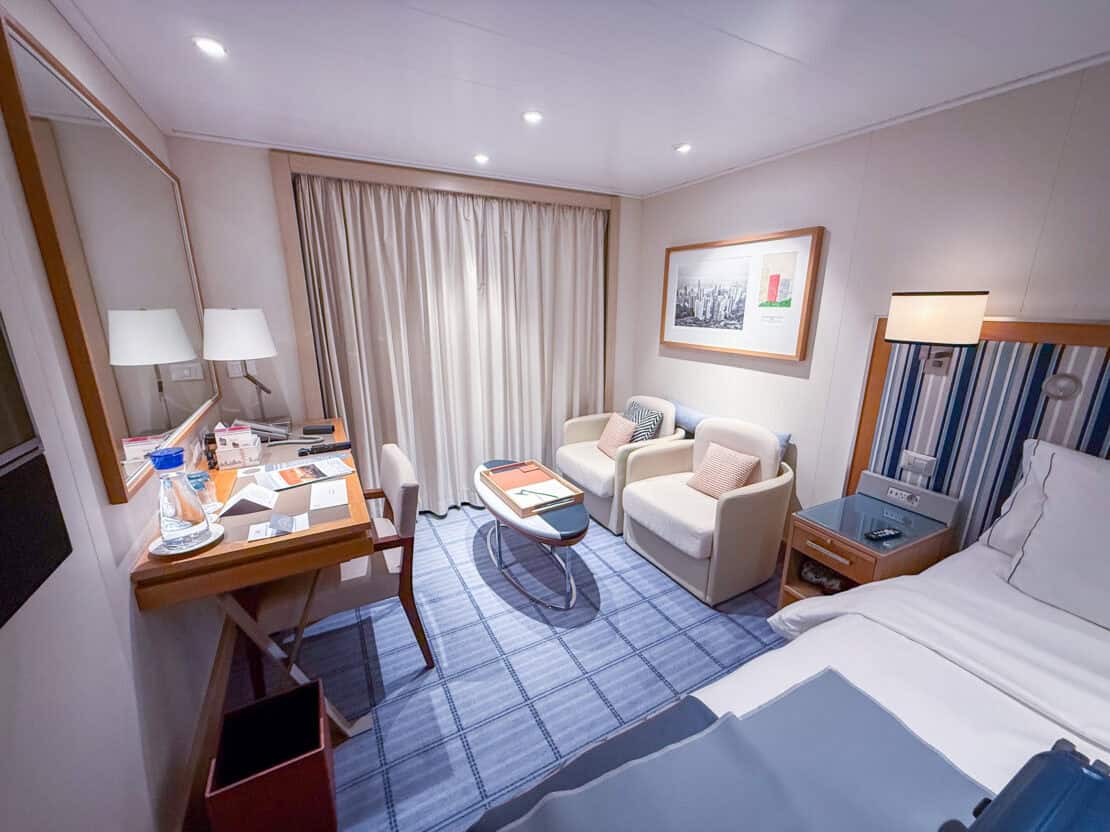
Staterooms: Looking Inside the Cabin
Before we delve into the differences between the cabins and suites, it’s worth pointing out one thing. You’re on the ship for the whole of this itinerary, unless you book on extra days in Athens and Istanbul, in which case you’ll be in hotels.
The itinerary itself is very flexible – you can be out from dawn until dusk (and then back out again) in many ports or you can decide to stay in. There are no full sea days. I mention this because it’s a different set up to, say, the Viking Nile Cruise itinerary, which follows a fairly fixed pattern, or other itineraries with many days at sea.
Here, it’s up to you how much time you spend in your stateroom, which is worth bearing in mind when you decide which kind of one you want.
It’s worth saying again that Viking Jupiter is an all-veranda ship, meaning that every single passenger has access to fresh air and a private outdoor space. The categories vary mainly in size, layout and the level of included privileges, rather than in fundamental comfort.
Even the entry-level veranda staterooms feel well designed, with thoughtful storage, high-quality linens and a calm, Scandinavian style.
Honestly, you’re not going to get stuck in a box on this cruiser. Every bathroom has underfloor heating and plenty of space for your luggage.
As you move up the categories, you gain more space to unwind, earlier booking windows for excursions and speciality dining, and additional touches that make the overall journey smoother.
Is that worth it for the increase in cost? It depends on what you’re looking for.
How to Choose the Right Cabin
If you spend long stretches on deck or ashore, the standard veranda staterooms are absolutely fine. They have good storage, a decent bathroom and a private balcony with room for two chairs.
If you prefer private spaces, then a Penthouse Veranda or Penthouse Junior Suite would add more living space.
If you enjoy private dining, working while at sea, or hosting friends then the extra room in the Explorer Suite or Owner’s Suite would come in handy.
The differences aren’t all about space, either. The priority windows help secure popular tours, dining times and sea-day spa slots. (That said – I didn’t find this an issue at about 30 days before the trip, other than for the cooking classes. But you can’t guarantee that.)
And of course, if one of you is a night owl and the other an early riser, it helps to have separate spaces so that you don’t disturb each other. If you’re travelling solo then everything, from the duvet to the thermostat to the curtains, is yours to do with as you wish, so who needs another room?
Each cabin is equipped with all the modern amenities you’d expect, such as flat-screen TVs, Wi-Fi access, a mini-fridge, and individual climate control.
So, wherever you end up, you’ll be absolutely fine as you cruise around. You can find the full specs here.
Tips on Cabin Location: Forward, Midship and Aft
Forward cabins sit closer to the bow and offer striking views when entering or leaving port. They can, however, feel more movement in rougher seas. If you tend to get seasick, then beware.
Midship cabins are generally the most stable and convenient. They’re close to lifts and a short walk from public spaces such as the Living Room, the Lounge and the World Cafe. If you prefer to minimise walking or you’re sensitive to movement, this is the safest choice.
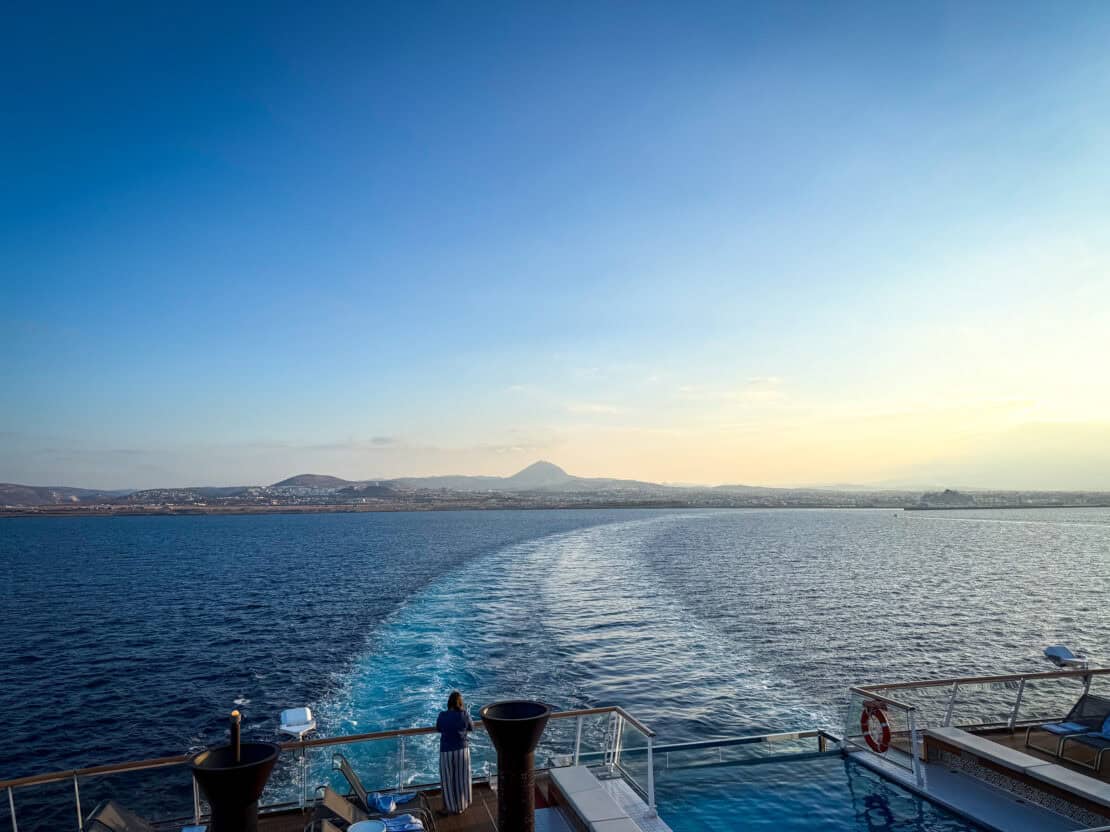
Aft cabins overlook the ship’s wake and often have dramatic, ever-changing views. They’re closer to the infinity pool and the Aquavit Terrace, which can be a bonus for those who enjoy dining or relaxing outdoors (but it’s easy enough to reach those spaces unless you have mobility problems.) There may be some minor hum from the engines but I spoke to a lot of passengers and no one found this a problem.
Higher decks tend to offer better views but slightly more movement. Lower decks feel steadier and are quicker to reach after excursions, especially on busy port days.
Inside tip: self-service launderettes including irons and ironing boards are located on Decks 3–6 and are free of charge, with detergent available for free. You can also arrange a laundry and dry-cleaning service for a fee.
A Detailed Look at the Deluxe Veranda Stateroom
Let’s take a look inside my stateroom, the Deluxe Veranda, on this video. There’s plenty of storage space through the wardrobe, drawers and under the bed. The desk is perfect for work, plus you have indoor and outdoor chairs to relax in.
Once on the balcony, you will hear your neighbours (and see them if you lean over the edge) but it’s still hard to imagine that there are as many as 930 passengers on this ship when breathing in the sea air.
The bathroom has heated floors and a shower with decent water pressure. And, thankfully, lots of space to hang towels and toiletry bags, so that you’re not balancing all your hygiene products on slippery surfaces on the high seas.
Stateroom Categories on Viking Jupiter At a Glance
| Stateroom Category | Approximate Size | Key Features | Ideal For |
|---|---|---|---|
| Owner’s Suite | 1,448 sq ft including veranda | Separate bedroom and living room, dining area, large private veranda, priority reservations, complimentary laundry, private car and driver excursion, premium amenities | Travellers seeking maximum space, privacy and the most exclusive service |
| Explorer Suite | 757–1,163 sq ft including veranda | Separate living and dining areas, spacious veranda, enhanced amenities, priority bookings | Guests wanting generous space and upgraded touches without the size of the Owner’s Suite |
| Penthouse Junior Suite | 405 sq ft including veranda | Sitting area, full veranda, welcome champagne, priority restaurant, spa and excursion bookings, premium minibar | Those who want extra room and early access perks |
| Penthouse Veranda | 338 sq ft including veranda | Larger stateroom, private veranda, earlier reservation windows, premium toiletries and minibar | Guests wanting more comfort and convenience than standard verandas |
| Deluxe Veranda | 270 sq ft including veranda | Private veranda, king-size bed, minibar, robes and slippers, good storage, earlier booking access than base category | Travellers wanting comfort with a few added refinements |
| Veranda Stateroom | 270 sq ft including veranda | Private veranda, king-size bed, premium bathroom, 24-hour room service, Wi-Fi | Those who want a bright, functional cabin with a balcony and all essentials included |
Shared Spaces
The public spaces on the ship follow a similar pattern to Viking ships elsewhere. You can find the full deck plans here.
In the meantime, let’s talk about the highlights, lowlights and some inside tips.
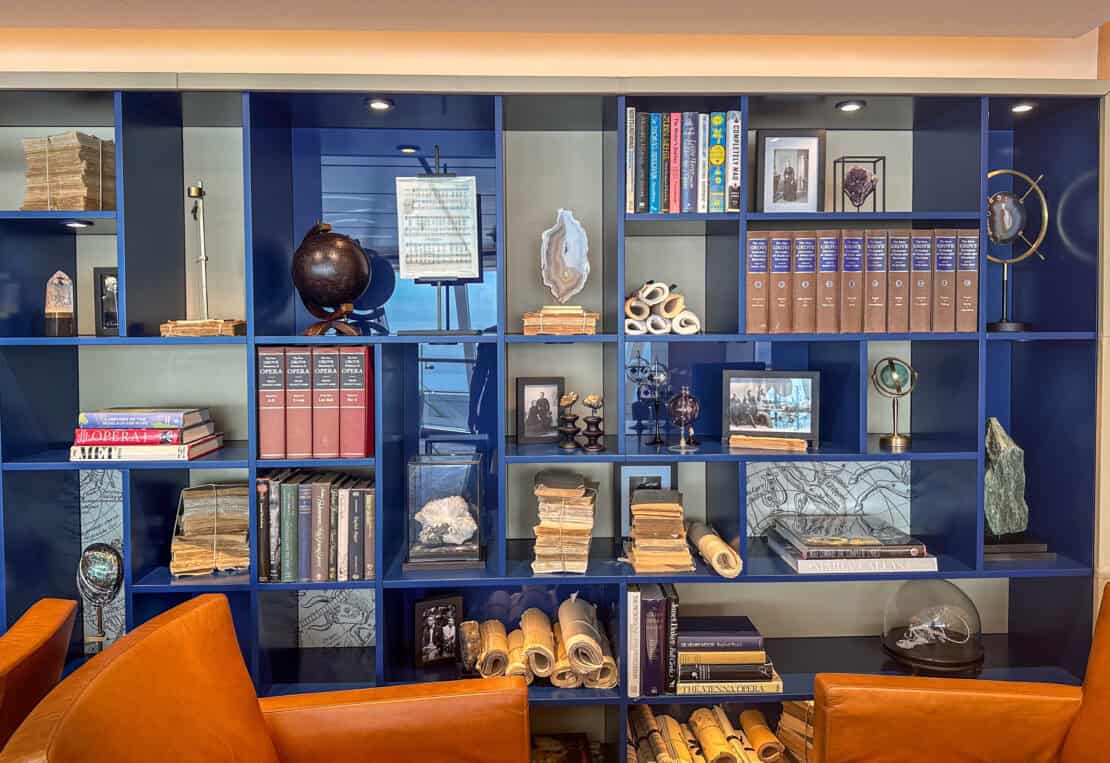
The Explorers’ Lounge
If your imagination doesn’t soar across the seven seas while sipping champagne in the Explorer’s Lounge, then perhaps it’s permanently grounded.
Spread over two decks, at the bow, the Explorer’s Lounge offers wraparound views of the ocean set amid beautifully curated bookshelves, a telescope and a bar with an ancient mariner’s constellation map emblazoned on the mirror.
During the day, you can soak up the views. By evening, while the lights sparkle across the glass, let the Viking musicians whisk your spirits away to join the explorers of the past.
The Wintergarden
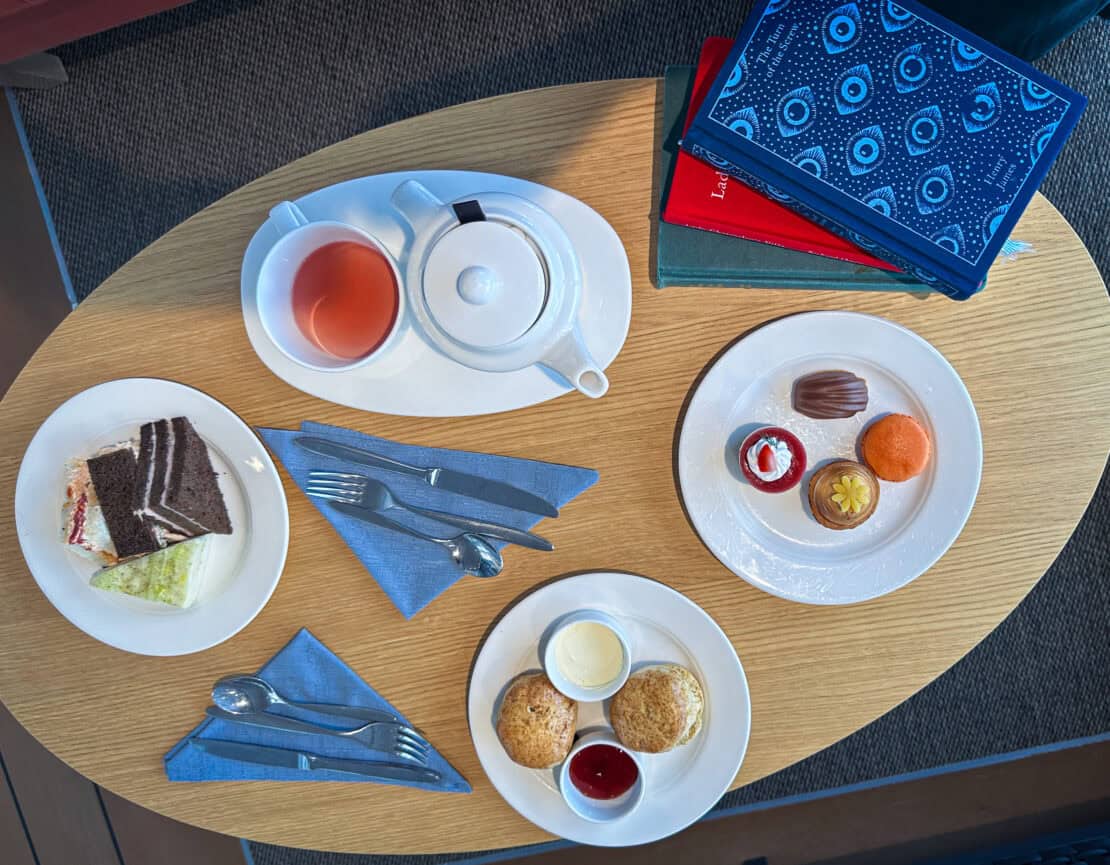
The Wintergarden is a kind of floating conservatory: a light-filled space with pale wood, soft angles and an air of refinement.
The enclosed area serves afternoon tea: a quiet ritual of scones, small sandwiches and live music. The atmosphere is unhurried, and the surrounding glass allows you to keep an eye on the shifting coastline while you pause over a cup of tea. It works equally well as a morning reading nook or a place to retreat after a busy shore excursion.
At night, the area around the pool offers a movie screen beneath the (covered) night sky. Watch Downton Abbey snuggled beneath a blanket, popcorn by your side.
The Living Room
Midship, the Living Room acts as a kind of informal hub, with musicians at the centre of the atrium. Find bookshelves, puzzles, sofas, evening drinks and a friendly bar.
The Spa & Gym
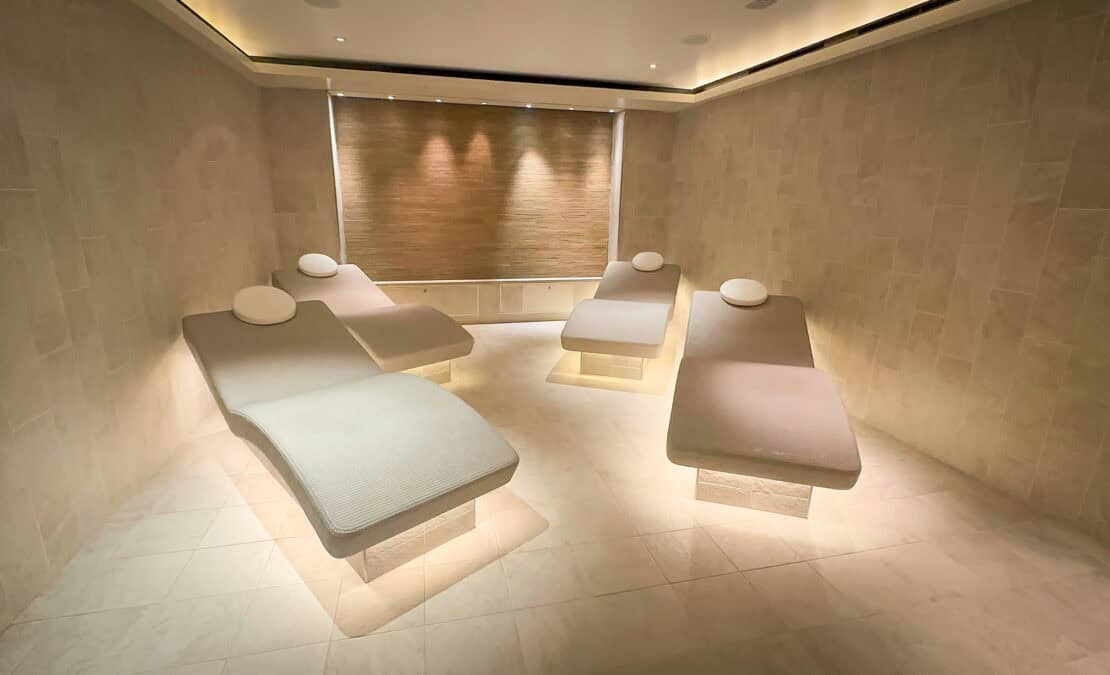
Holy sea salt smoke, this is a gorgeous spa and, together with the fitness centre, it’s staggering to think about how much space on the ship is dedicated to wellness.
The spacious gym has a number of cardio machines, with views of the ocean, together with fairly substantial weights, mats and bands. For a gym that size, the exercise class menu is rather sparse, but if you’re self motivated, there’s no reason not to stay fit at sea.
The spa itself brings together Nordic influences to produce a thermal suite which includes a steam room, plunge pool and the ship’s snow room, a curious but surprisingly refreshing space lined with powdery ice. Heat up, cool down. Apparently it’s very good for you. And, honestly, you do get used to the snow quite quickly…
Top tip: to get the place to yourself, head down on disembarkation day and float solo. It’s blissful. Also, book treatments as far as you can in advance, especially for sea days.
The Pools
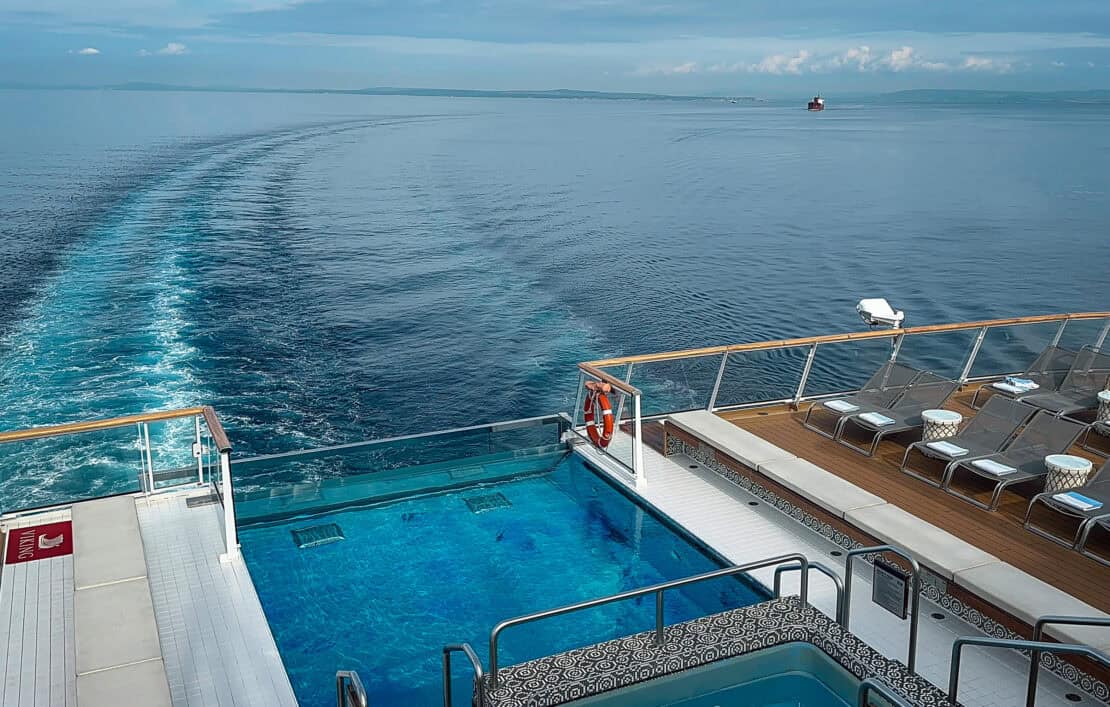
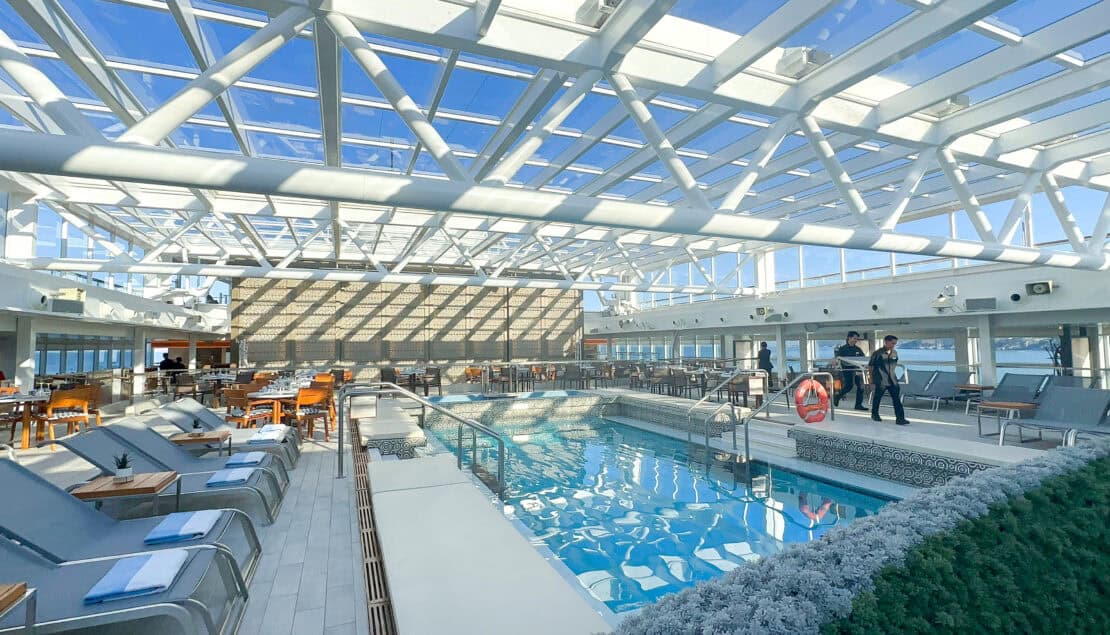
Viking Jupiter has two pools: the main pool under a retractable roof and the small infinity pool at the stern. Both are fairly bracing if you’re travelling in the off season. But not to worry, there are hot tubs right next to them.
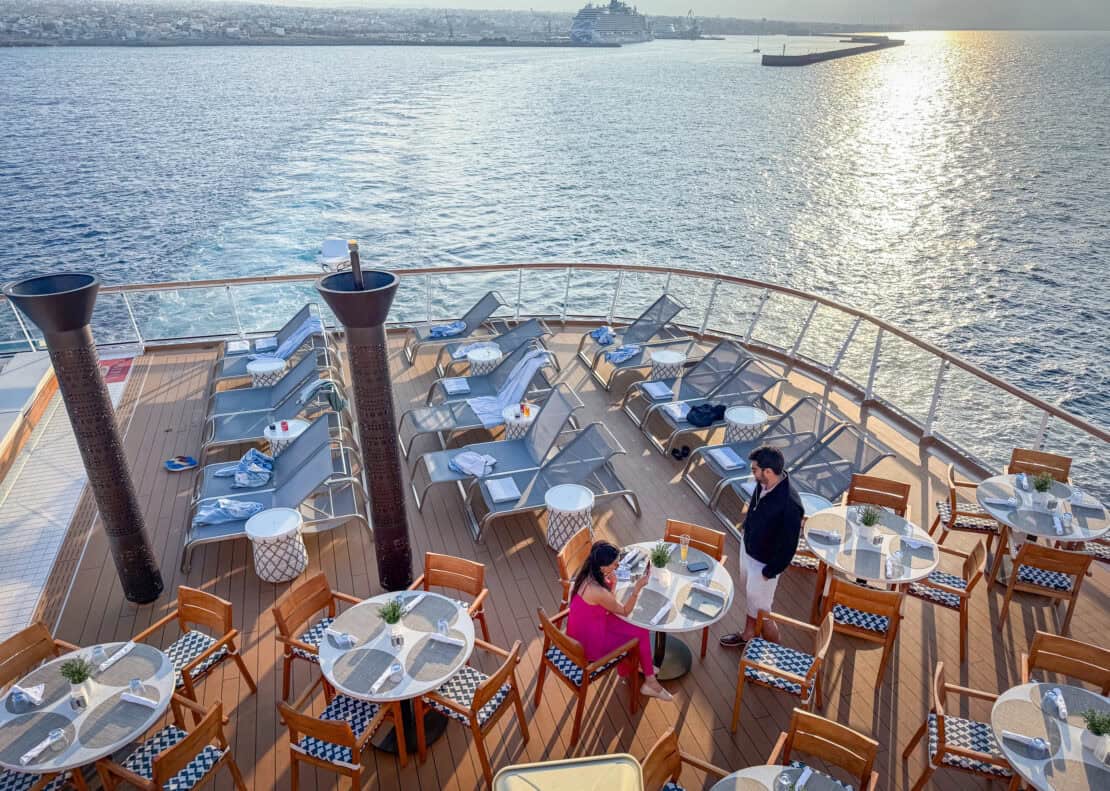
The covered pool works in almost any weather, making it a reliable option on cooler days or when the wind picks up. The aft pool, with views stretching out behind the ship, is particularly atmospheric when leaving port. You do have to walk past diners on the Aquavit Terrace to reach it, however, so remember to bring your robe.
Other Areas
High above the waterline, the Sports Deck is the place for mini golf, quoits and and outdoor gym. Boutique shops sell a variety of jewellery and Nordic-inspired products while at sea and scattered quiet corners have seating and bookshelves. Lifts link the decks, and coffee stations on multiple levels keep you fuelled from early morning until late at night. There’s also a hair salon to keep you tip top and tidy (although as you can probably tell from my photos, I didn’t check it out myself.)

Dining Options: Well Fed on the Med
Most dining options focus around the World Cafe, the ship’s buffet venue, which is bright, relaxed and brimming with variety. The selection mixes international staples with regional dishes, meaning that even the fussiest of eaters can find something they like. The Restaurant on the lower deck offers smarter dining and also provides breakfast options.
Speciality dining costs nothing extra and includes venues such as Manfredi’s, which offers generous Italian dishes, and The Chef’s Table, which creates rotating tasting menus. Interestingly, on the Mediterranean voyage, tasting menus covered Cantonese, Huaiyang and Korean cuisine, including five courses that included hot and sour soup, coconut, lemongrass and ginger granita and eel chawanmushi, all individually paired with wine. Absolutely divine. Book in advance to make the most of this.
On top of that, there’s a small Pool Bar and Grill which rustle up the basics, Afternoon Tea in the Wintergarden, and Mamsen’s, a small deli with small bites to eat.
In keeping with the inclusive Viking model, wine and beer are served complimentary with lunch and dinner, which gives meals a civilised, unhurried feel. There’s a Silver Drinks Beverage Package, which includes premium local wines by the glass, as well as cocktails, beers, specialty coffee drinks, soft drinks and juices throughout the day; plus an open bar (during operating hours).
Everyone can access 24 hour room service, 7 days a week at no extra charge, though the menu is understandably smaller than if you head to the World Cafe yourself.
Top tip: from the World Cafe, head through the doors to the Aquavit Terrace. Breakfast or lunch with a view of the city you’re in.

What to See at Sea
First things first. Viking never tries try to be a floating theme park. Instead, it offers a mix of cultural sessions, quiet rituals, wellness spaces and scenic corners that encourage you to slow down and enjoy the rhythm of the sea. It’s a soothing rather than manic onboard experience.
The Spa
As mentioned above, you can visit without reservation to use the thermal suite. But for treatments, it’s essential to book in advance.
The Theatre
At the heart of the ship is the theatre, where port talks, lectures and stage performances take place. Seating is broad and tiered, with good sightlines, and the programme leans towards learning rather than spectacle (although the vocalists bring some razzle dazzle to proceedings and our cruise director turned out to have an amazing voice.)
And if you’d rather rest your eyes in your stateroom, you can tune in to hear the lecture via your TV, either live or later in the trip.
The Planetarium (Explorers’ Dome)
Jupiter by name, celestial by nature. Take a large, comfy seat in the planetarium and gaze up at the stars. Shows introduce the night sky, astronomy and navigation, without the minus forty degrees required to see the Northern Lights. All you need to do is book your place in the app.
The Cooking School
Confession time: this was the only activity fully booked before I even logged in. So, while I can’t review in the traditional sense, it speaks volumes that it was fully booked.
Viking’s ocean ships typically include a small cooking school where passengers can take part in hands-on culinary classes inspired by the regions they sail through. Sessions vary by itinerary and staffing but usually involve small groups and straightforward recipes.
If you’re interested, book as soon as you can!
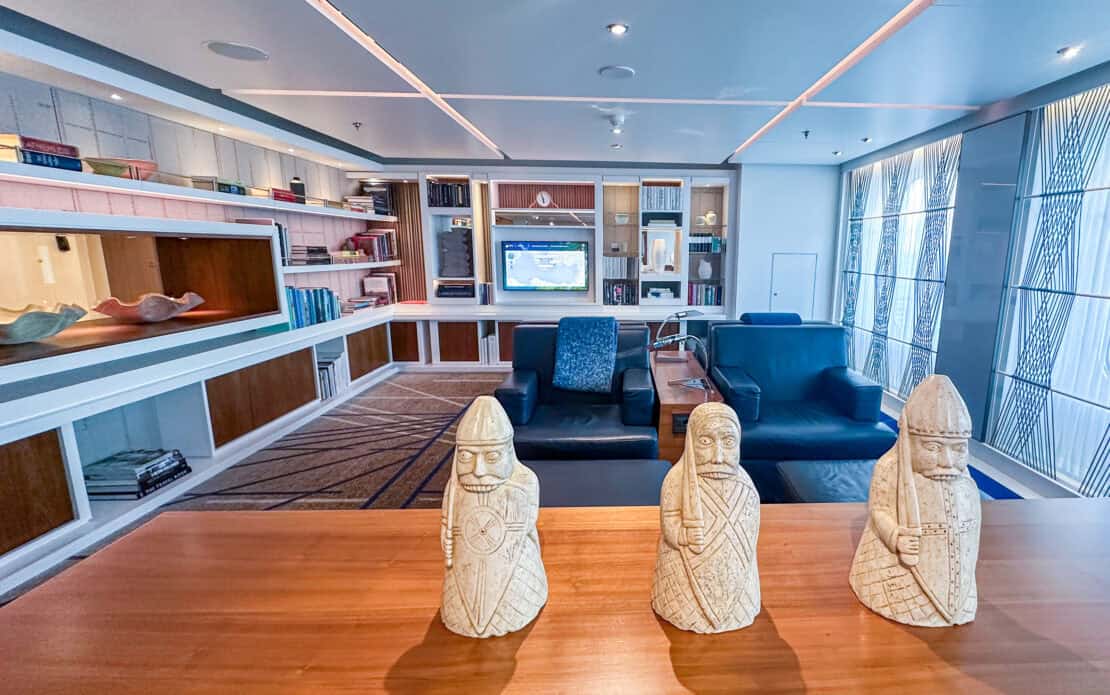
The Library and Quiet Corners
Scattered throughout the ship are shelves of books, board games, cosy armchairs and quiet alcoves where you can read, write or simply watch the sea. The Explorers’ Lounge in particular offers generous seating with panoramic views, perfect for long stretches of open water or early-morning arrivals into port. Viking’s partnership with independent booksellers Heywood Hill means you’ll never be short of something to read.
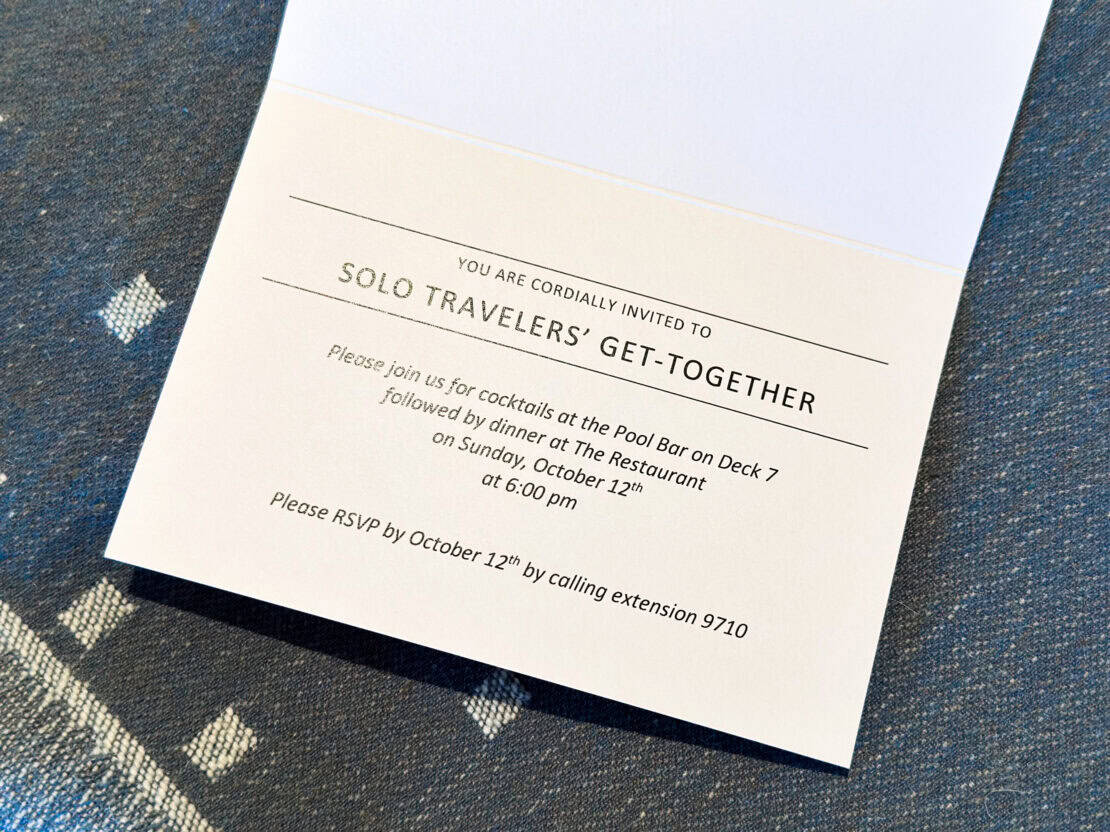
Making Friends
There’s certainly no reason to be alone unless you want to be. You can sign up for bourbon tasting, Nordic Bathing Night, Name That Tune, Tomtebod, Team Trivia, and more. Or even keep it simple with a “meeting mingle” to just chat.
Some of these carry an extra charge – but most don’t.
Thank You for the Music
Boarding the Viking Jupiter is a little like walking into liquid Classic FM.
A pianist in the Atrium, string ensembles in the Explorer’s Lounge. A resident guitarist visits the bars. There are no large-scale productions, casinos or foam party nightclubs, although the four vocalists put on well costumed shows that travel through the ages.
For late night stints, the slightly hidden Torshavn club echoes the romantic jazz lounges of 1940s in Hollywood for a final nightcap.
And in certain destinations, you’ll see local performers hit the boards. We had The Musical Odyssey, bringing music from Crete to Piraeus, the main port in Athens.
Lectures and Learning
Two resident lecturers travel on board this eight day itinerary, ready to share their knowledge of the world. On our trip, we had Resident Astronomer Terence Murtagh exploring the cosmos and Resident Historian Dr Lorrie Wenzel elaborating on the seven wonders of the ancient world.
Lectures take place in the windowless theatre – but if you’re worried about missing the view (or want to rest your eyes) you can tune in from your stateroom.
Beyond the lectures, you’ll find opportunities for roundtable discussions and themed dinners, along with informal “office hours” when you can stop by with questions or just to chat about what you’ve seen.
Munch Moments
“Munch moments” bring the works of Norway’s most famous artist to the waves, through an exclusive relationship with Oslo’s Munch Museum. Look out for the bold art on the walls of the atrium in The Living Room each night while music plays.
Appreciating the Arts
I only spotted this quite late on in the cruise. But each of the pieces of art around the ship come with a commentary. You simply load up the Viking app and learn from Karine Hagen on a self-guided tour. A lovely idea, which I wish more places ran.
In fact, you can take a look at the Viking Jupiter art collection here.
How to Keep Track
On the river cruise, it was easy. On a Viking Ocean Cruise, you simply can’t do it all. You can’t be in three or four places at once.
To try to plan your time, there are two key places to look:
1) The Viking Daily
If you’ve travelled with Viking before, you’ll recognise this daily printout. It includes timetables, useful phrases, background cultural information and more. All delivered to your door.
2) The Viking App
I know, I groaned at the thought of yet another app, too. But this one is incredibly useful and it’s so much easier to make reservations through the app than anything else once you’re on board.
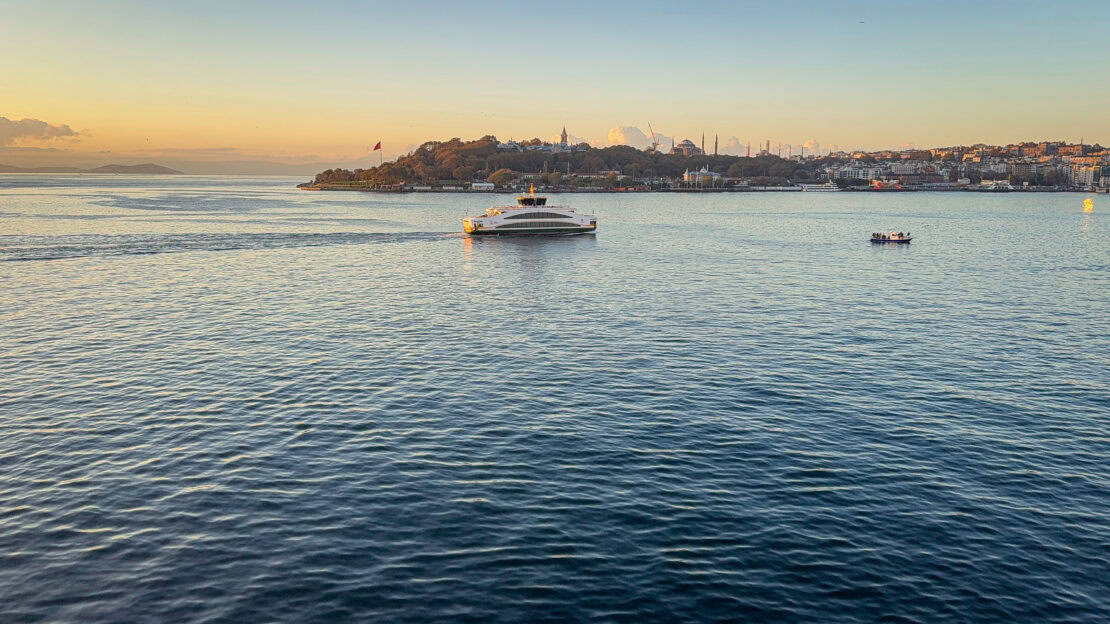
The Itinerary: Ancient Mediterranean Treasures Cruise Overview
I’ll go into more detail about the places you visit in other travel stories. In the meantime, here’s a taster.
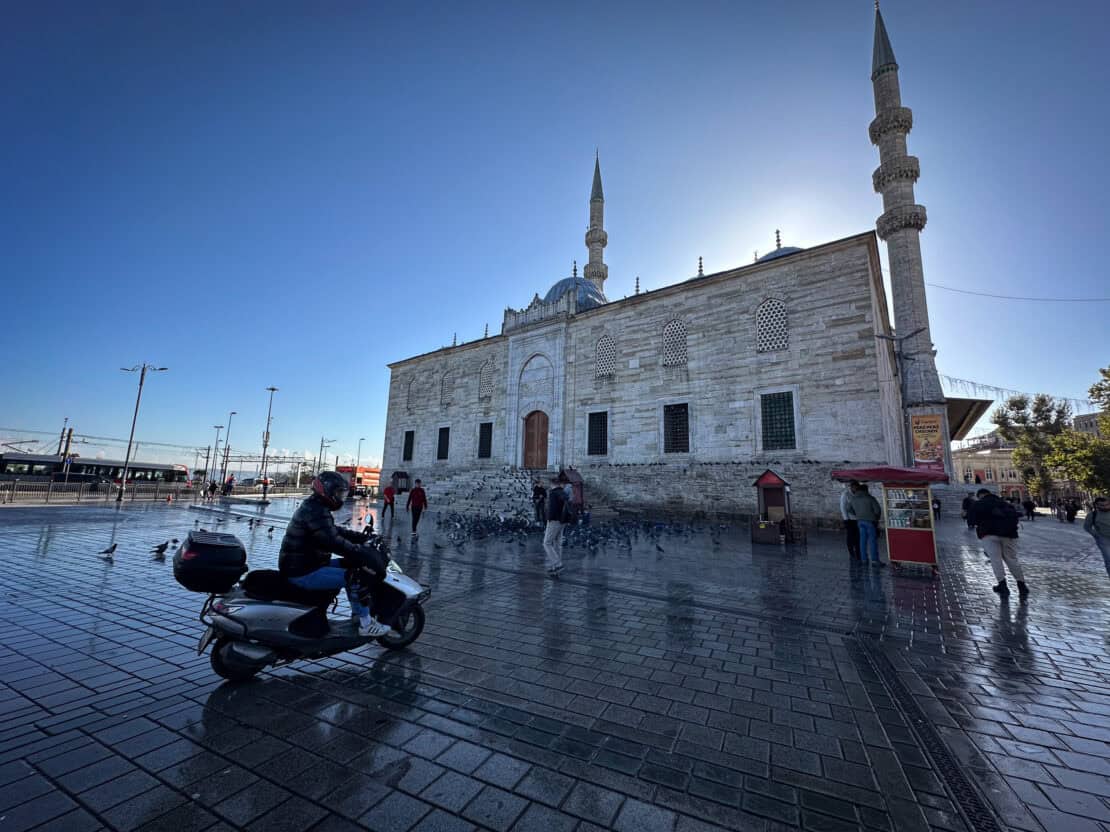
The Ancient Mediterranean Treasures itinerary begins with two full days in Istanbul, although you’d need weeks to make the most of this incredible city. With the ship docked close enough to the historic peninsula, it’s easy to hop on a shuttle, explore independently, or take a guided excursion with Viking.
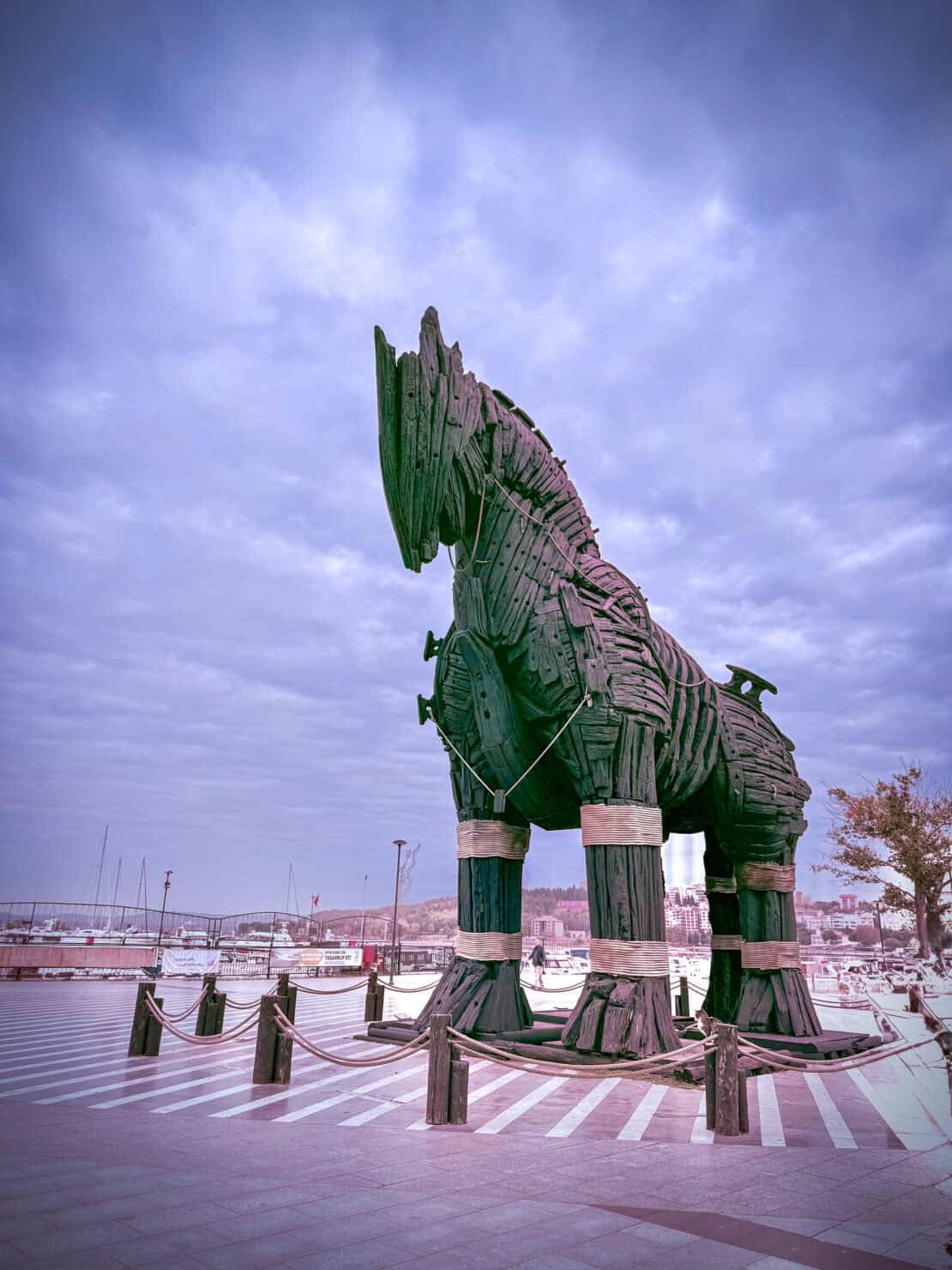
From Istanbul, it’s to Çanakkale, the modern take on Troy. It’s a bit out of the way on a land itinerary and I’ve been meaning to visit for years, but the connections never made sense. Troy itself lies in ruins but it’s still powerful to walk through them – and to see the famous horse from the Brad Pitt film.
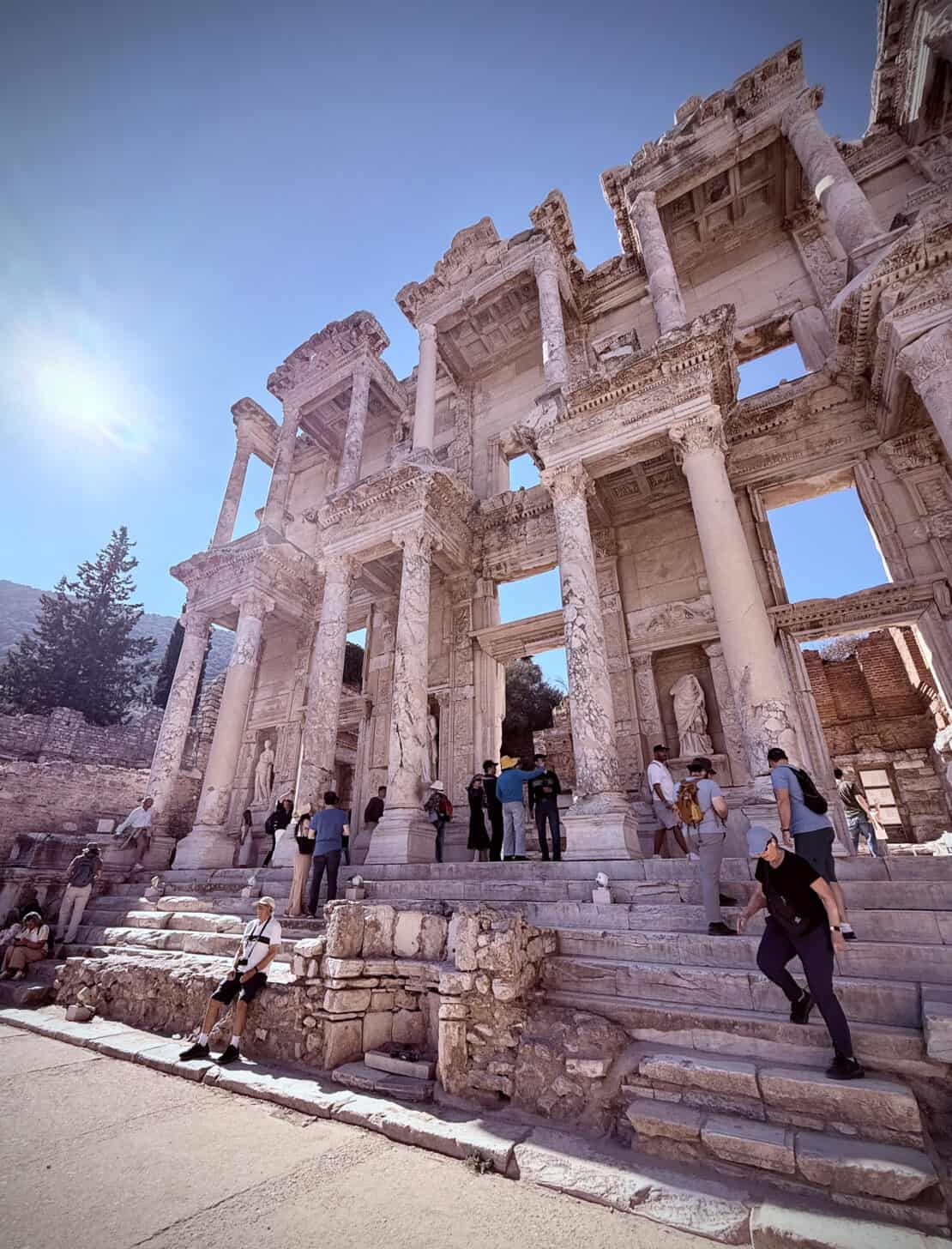
Ephesus, a UNESCO World Heritage Site reached via Kuşadası, is another major highlight and a place I know well. It’s one of the best-preserved Greco-Roman sites with The Library of Celsus, a vast amphitheatre and a murder mystery involving Cleopatra’s sister.
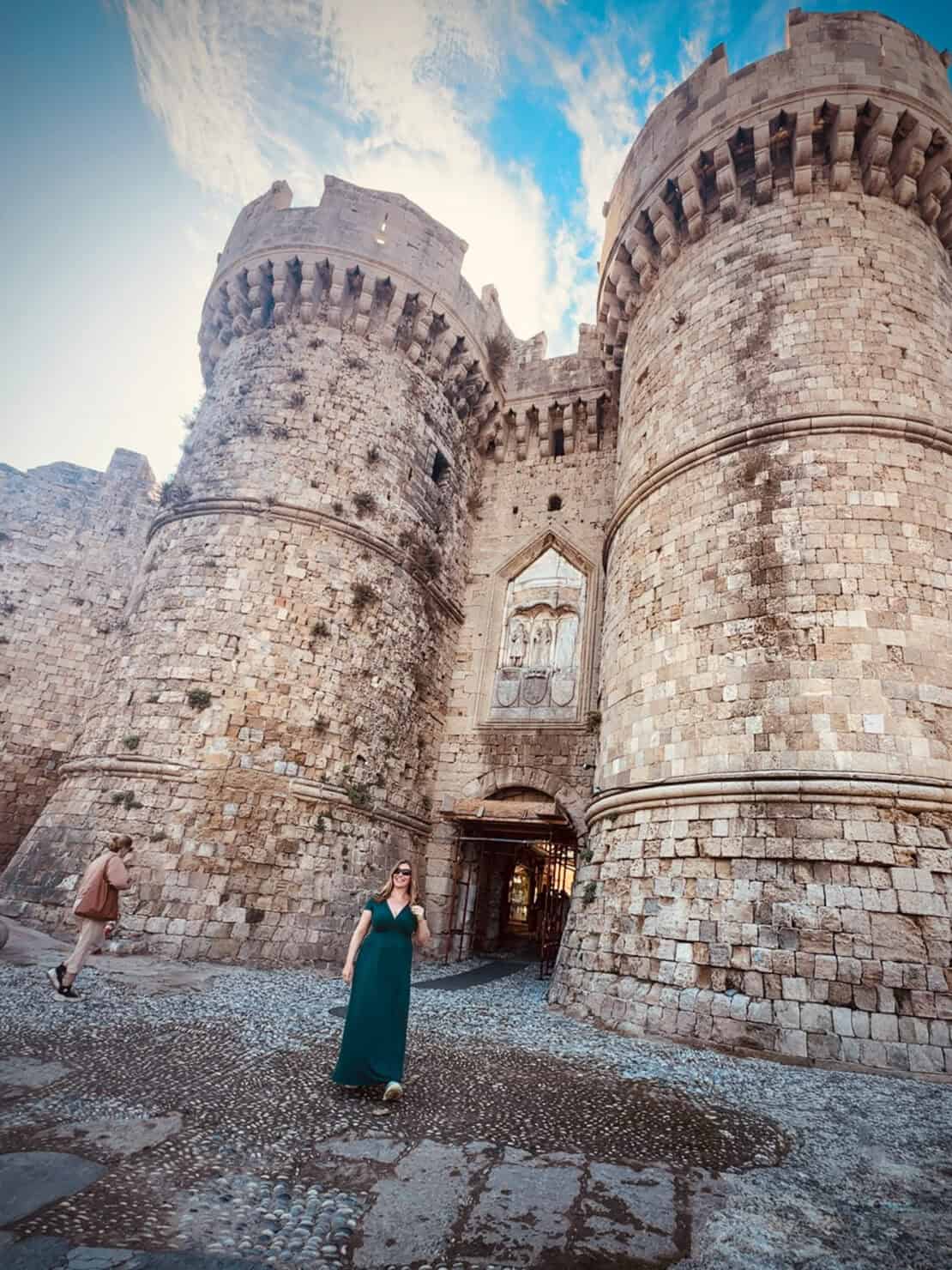
In Rhodes, the medieval old town offers cobbled streets, fortified walls and stories of knights in shining armour. An optional excursion to the Acropolis of Lindos reveals not only a shimmering sea but also a heart shaped cove. This stop is your best bet for a dip in the sea.
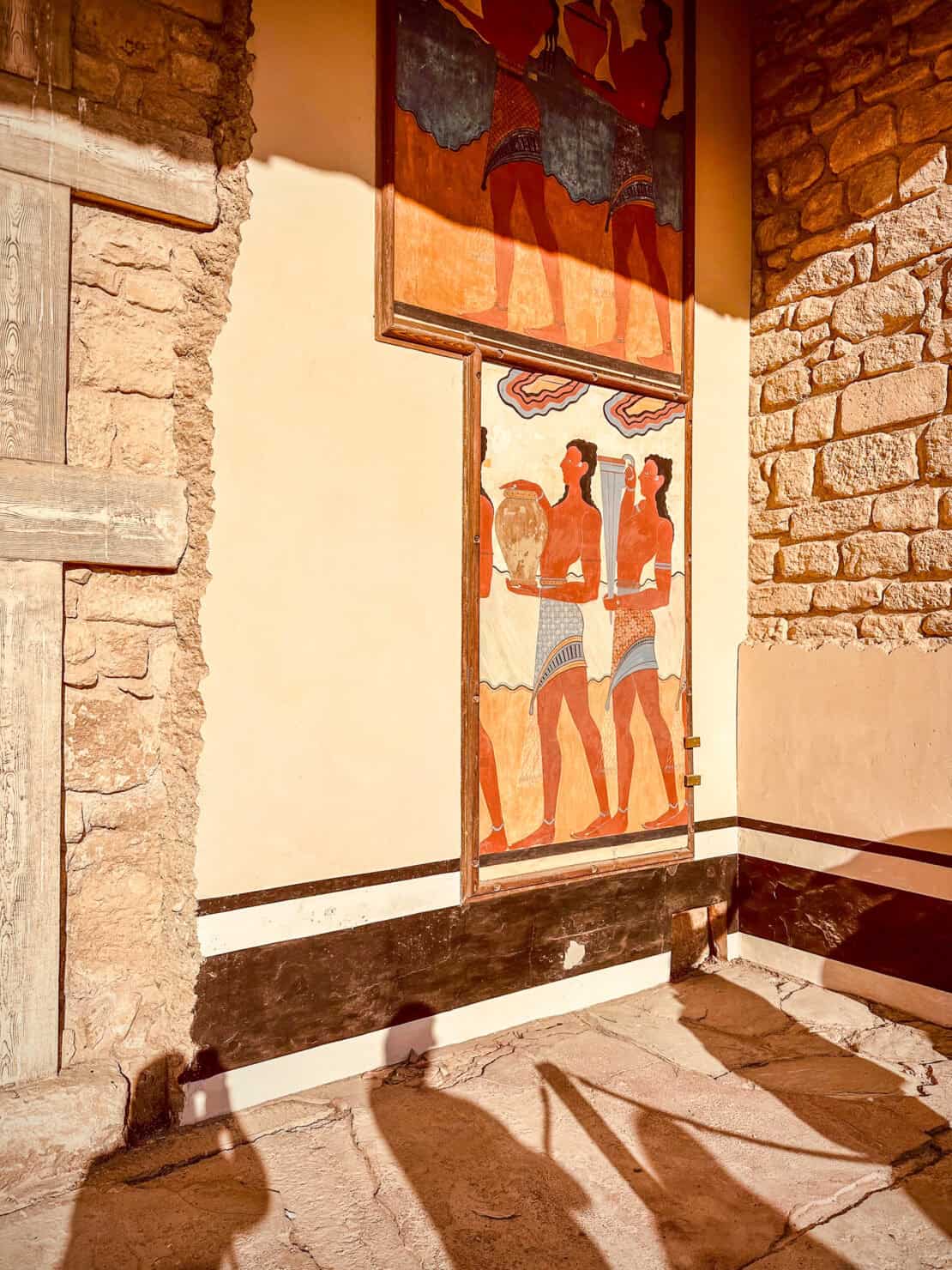
In Crete, it’s time to get up to speed with the minotaur and the culture of the Minoans, Europe’s first major Bronze Age civilisation.
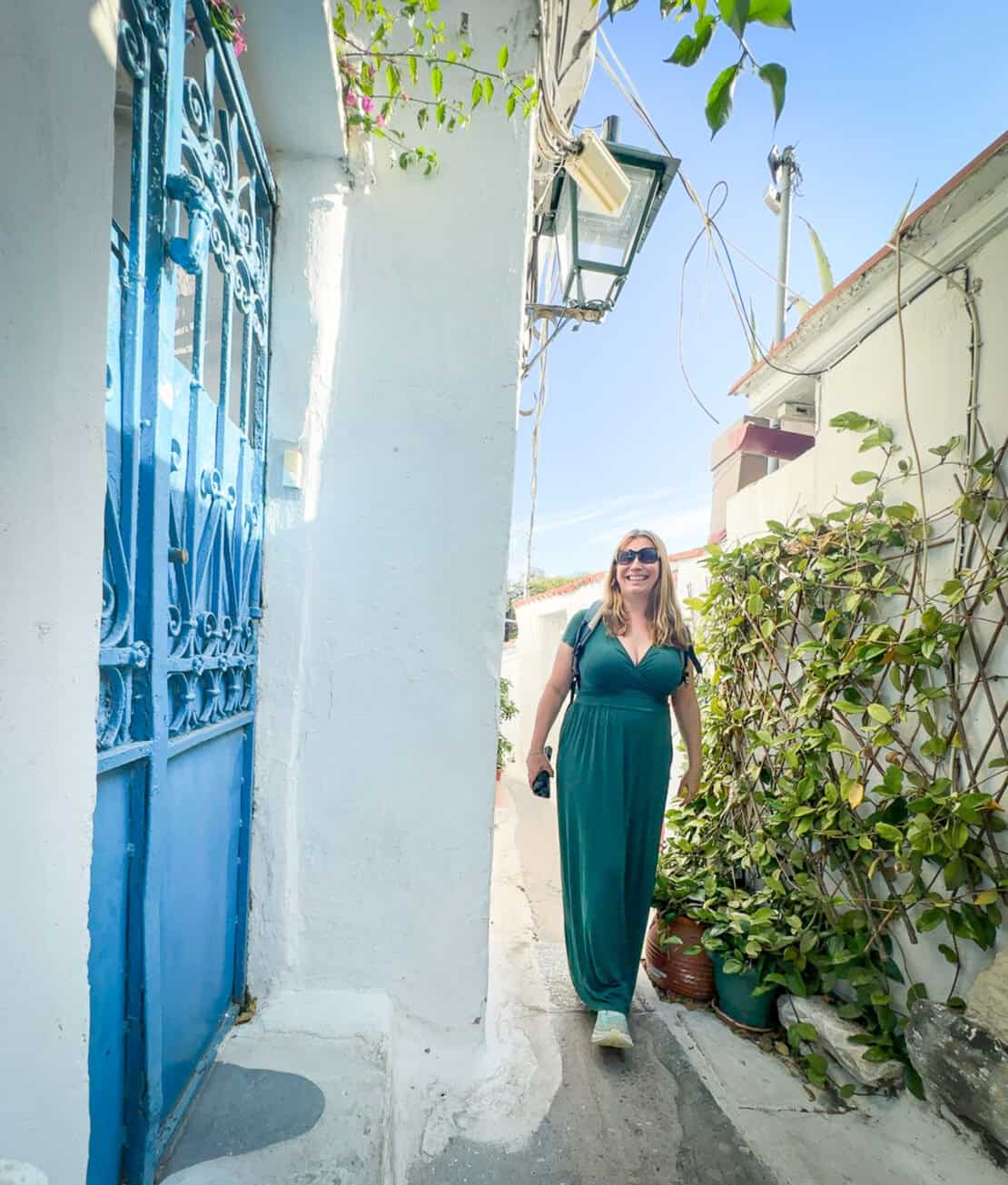
And finally, to Athens and the Acropolis. And the home of democracy.
Excursions
When you cruise with Viking, you have at least one excursion included in each port at no extra cost. These are often coach-based, with a mix of panoramic viewing (aka a bus tour) and visits to key sites. And they will all lead you back to the ship.
Optional tours provide deeper or more specific experiences, like climbing to see the Acropolis at Lindos, though availability varies by port and some sell out really quickly, so move fast for things you love.
In many of the places on this itinerary, it’s easy enough to make your own way into town anyway, particularly in Rhodes and Istanbul. Athens is around 40 minutes away from the port at Piraeus but Piraeus itself is a pleasant place to visit.
You’ll have local tour guides, so they are different in each place, with variable standards, although all speak English.
Look out for more detailed articles coming soon – the best way to do that is to subscribe to the newsletter.
Practical Considerations
Here ‘s what you should bear in mind for your Viking Jupiter cruise.
- Clothing: Lightweight, breathable layers work well for days exploring ancient sites such as Troy and Ephesus. A light jumper or shawl is useful on deck, where the wind can feel noticeably cooler. In places of worship or historic significance, modest clothing is respectful and often required. Pack long sleeves and a light scarf tucked into a day bag.
- Footwear: As always, in Europe, wear comfortable, practical shoes to deal with those cobblestones. A smarter pair might be nice for dinner but it’s not essential.
- Sun Protection: Even in the off season, the Aegean sun can be strong. Pack a hat, sunglasses and high-factor sunscreen. A reusable water bottle is helpful on longer excursions, as is a small daypack for carrying cameras, layers and guide notes. Find a full pre-trip packing list here.
- Medications and Health: Bring any prescription medications you need, with paperwork in case anyone checks, plus basic remedies for motion sickness, headaches or mild stomach upsets. There are medics on board but it’s just easier to manage mild issues yourself.
- Heat and Hydration: Although the ship provides complimentary water during excursions, carrying your own bottle ensures you stay hydrated throughout the day. Heat can build quickly at archaeological sites, and shade is often limited.
- Travel Insurance: You need it. Make sure it includes cruise vacation cover.
- Transfers: Viking will handle transfers, flawlessly, if you book through them. It’s quite a sight to behold. I wish they organised my Christmas shopping, our health service and the professional conferences I need to attend. That said, it’s also quite easy to arrange your own transfers if you have other things going on. The ports are easy to find and navigate and Viking crew will help direct you back to the ship.
- Getting into town: I was surprised how easy this was in many of the smaller ports, like Rhodes. Even in Istanbul, the port is centrally located. In Athens, though, you are 45 minutes from the centre and the Acropolis. If you travel on a Viking excursion, this doesn’t matter, they collect you from the ship. There are also complimentary shuttle buses at fixed times. Or, you can go back to the DIY option and either take an Uber or sharpen your negotiation skills.
- Accessibility and Comfort: Lifts connect the decks, pathways are wide, and there are accessible stateroom categories for guests with mobility needs. Bear in mind that some of the bigger ports, like Istanbul and Athens, require quite a lot of walking to reach the ship. It’s worth booking assistance if you need it.
- Adaptors: staterooms have both 110V and 220V electrical outlets. All outlets are European style (2-pin) with a ground, except for two US 110V sockets above the desk and one US 110V socket on each side of the bed; there are no UK 3-pin sockets. You’ll also find several USB ports to charge phones and tablets directly.
- Wi-Fi: is pretty good. The connection relies on a VSAT satellite terminal, so it’s not as smooth as broadband at home.
- Dress Code: is pretty casual by European standards, smart for the US. Swimsuits and gym gear are not allowed in the dining areas. And while there are no “formal nights,” jeans are not allowed as evening dress and men are advised to wear collared shirts. Ties and jackets are optional. You can be more casual in the World Café.
- Queues: it’s unusual to find yourself in a queue. This only happened to me once or twice at breakfast or when disembarking at the same time as several excursions.
Viking Jupiter at a Glance
- Guests: Around 930
- Crew: Approximately 450
- Length: 745 feet
- Year built: 2019, refurbished in 2023
- Deck plans: View the deck plans on Viking’s official site for cabin locations and public space layouts.
This Viking Jupiter review focuses on the Ancient Mediterranean Treasures itinerary, travelling from Istanbul to Athens. Yet impressions of a ship stretch wider than a single route, and the Jupiter ship is one that appears across multiple Viking ocean itineraries, from British Isles cruises to repositioning voyages that reach places as far-flung as Valparaiso, Tierra del Fuego and Punta Arenas, Cape Horn, Ushuaia, the Falklands, and Puerto Montt, as well as closer spots like Stockholm, Barcelona, Venice, and Bergen.
Fellow passengers tell me that taking another repositioning cruise can be a great experience if you like plenty of sea days. Conversely, if you’re not a salty sea dog, probably best to give them a miss.
How to Book
You can book this excellent cruise directly through Viking’s website here.
Inclusions vary slightly by itinerary, but generally cover:
- Flights from select UK airports (when booked with Viking)
- Ground transfers
- A veranda stateroom
- All onboard meals, including wine and beer with lunch and dinner
- Included excursions in most ports of call
- Wi-Fi (with variable speeds at sea)
- Enrichment talks and evening music
More About Cruises
- The best solo cruise tips to make sure you have a great time
- The best cruise packing tips
- What the Viking Aegir Danube Waltz Cruise is really like
- The ultimate Viking Nile cruise review
More About Greece and Turkey
- What Istanbul is like in winter
- Is Istanbul in Europe or Asia?
- Beautiful and unusual things to do in Greece
- Your Peloponnese itinerary for a road trip through mainland Greece
- What to pack for Greece: a packing list to download
- Fun facts about Greek food
- The Athens Food Guide: what and where to eat in the Greek capital
- 23 Hidden gems and unusual things to do in Athens