Discover the Great Spa Towns of Europe, where centuries-old thermal waters promise healing effects with a slice of history.
The Idea of a UNESCO Spa
The official UNESCO Great Spa Towns of Europe route may be celebrating its 5th birthday, but people have revered mineral waters for centuries. As a doctor turned travel journalist, I went to find out what makes them so great.
And to answer the pressing question: are the effects real?
Disclosure: I travelled to some of these places as part of a projects with UNESCO GSTE with costs covered or reimbursed. As ever, as always, I kept the right to write what I like. Otherwise, what’s the point?
The Story of the Great Spa Towns of Europe
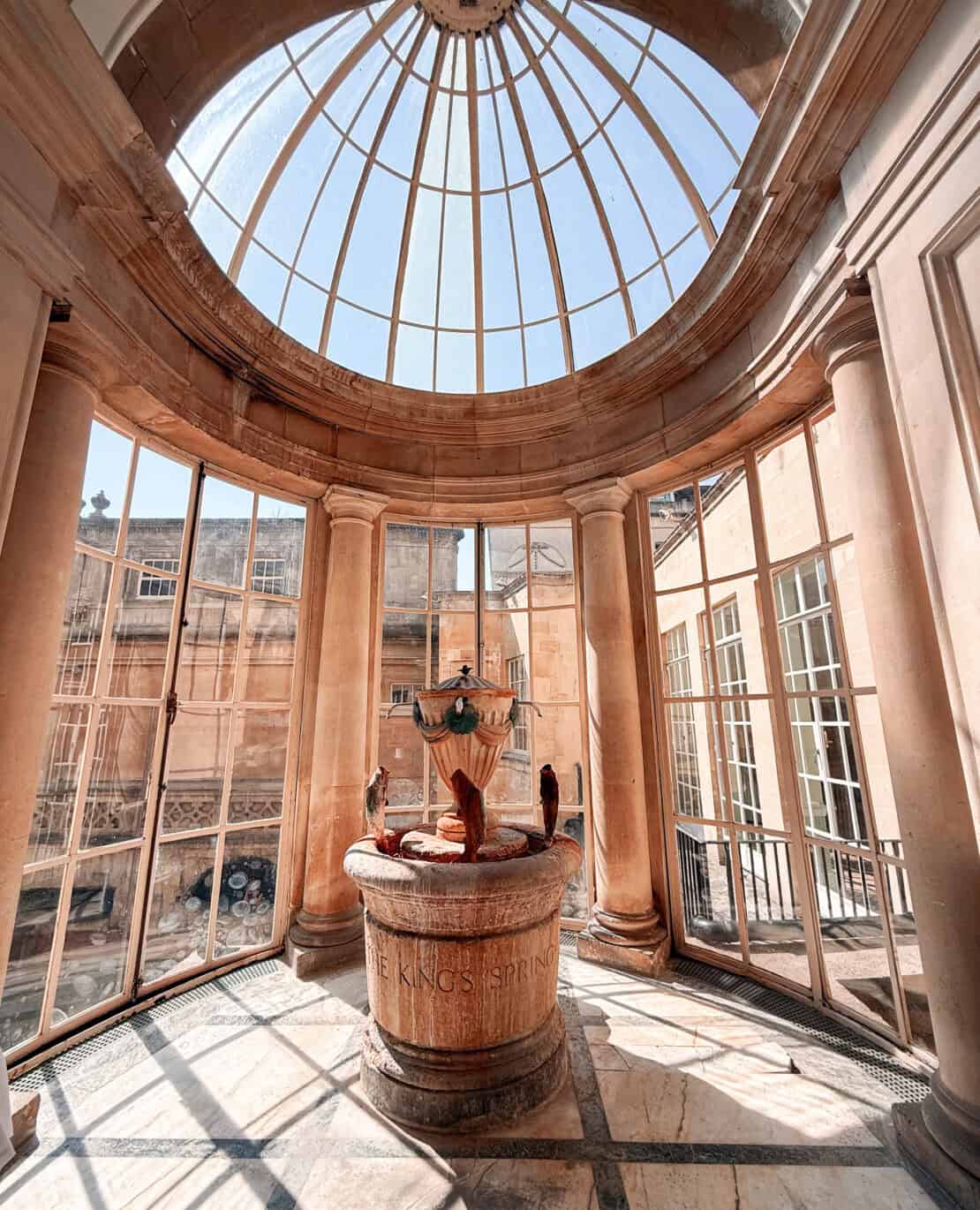
As I float on my back, sunlight flickers across the fonts that loop one letter into another.
“These waters fell as rain over 10,000 years ago,” they tell me. “And sank to a depth of three kilometres within the earth.”
It’s a comforting kind of geography lesson, my limbs weightless, buoyed by the water and soothed by the comforting heat.
“It comes out of the ground at 45 centigrade but is allowed to cool a little to ensure it is at optimum bathing temperature.”
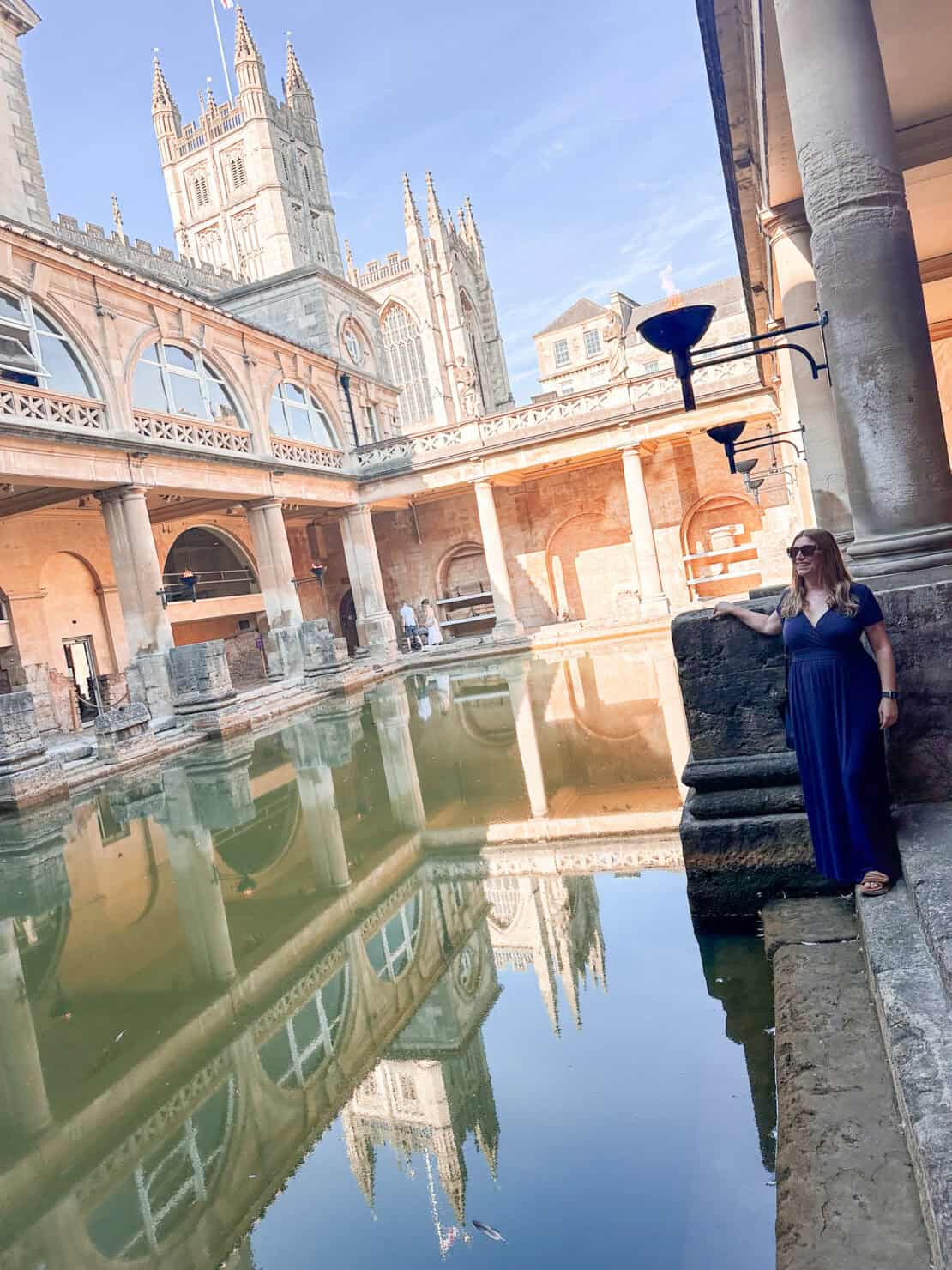
If you’ve never visited the City of Bath itself, you’re missing a treat. As one of only two UNESCO World Heritage Cities in Europe (the other is Venice) it’s home to a practically indecent amount of things to see and do for thoughtful travellers and hedonists alike.
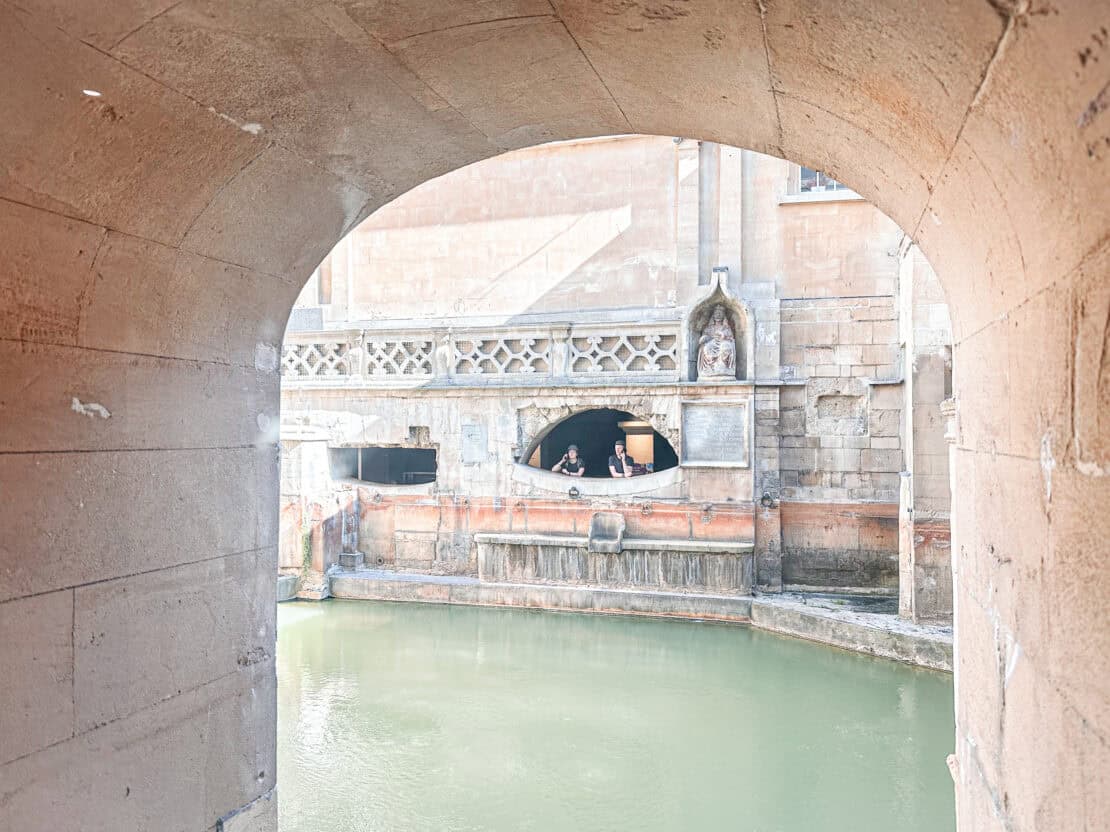
The Roman Baths are arguably the most important, welcoming over one million visitors a year, and offering the chill of standing where people did thousands of years ago surrounded by a cosy warm steam. Then there’s the Jane Austen link, with two novels set here, plus the stunning curves of the Royal Crescent and Circus, which make even the most lacklustre architecture fan stand and feel impressed.
There’s also the impressive Bath Rugby Club, playing on an impossibly scenic pitch, the crooked lanes of independent shops, a thriving theatre scene and a leading rheumatological hospital (it was this connection that brought me first to the city, as a junior doctor working in trauma and orthopaedics at the time, all those years ago.)
Fate brought me back a number of times (I wed beneath the twinkling chandeliers of the Assembly Rooms) but I’m back for a different reason now.
It’s the same reason that people have been coming for thousands of years, long before the Romans draped on their togas and spiked a sea sponge on a stick.
The reason that permeates through all those steep honeyed streets of sweet shops, nightclubs and Bridgerton tours, the Jane Austen memorabilia and the unmistakable clue, whose essence seeps through the morning mist at dawn.
The biggest surprise in a cold, damp country: a hot spring.
Find out more on the Visit Bath website.
The Birth of the Spa
Iron Age Britons may have worshipped Sulis, the goddess of thermal waters, but the word ‘spa’ itself comes from somewhere else entirely.
Travel with me to the Ardennes in Belgium, to a small settlement at the heart of a cauldron of hills. The year is 1717 and Tsar Peter the Great from Russia, rumoured to have something of a drinking problem and resultant liver issues, brings his six foot frame and a coterie of courtiers to drink the water, walk and rest.
The weeks pass. The Tsar improves. The word spreads.
Within a short few years, Spa becomes the place to see and be seen. But simply walking and drinking the iron-infused water no longer cuts the mustard – and local businessmen are alive to the promise of possibility.
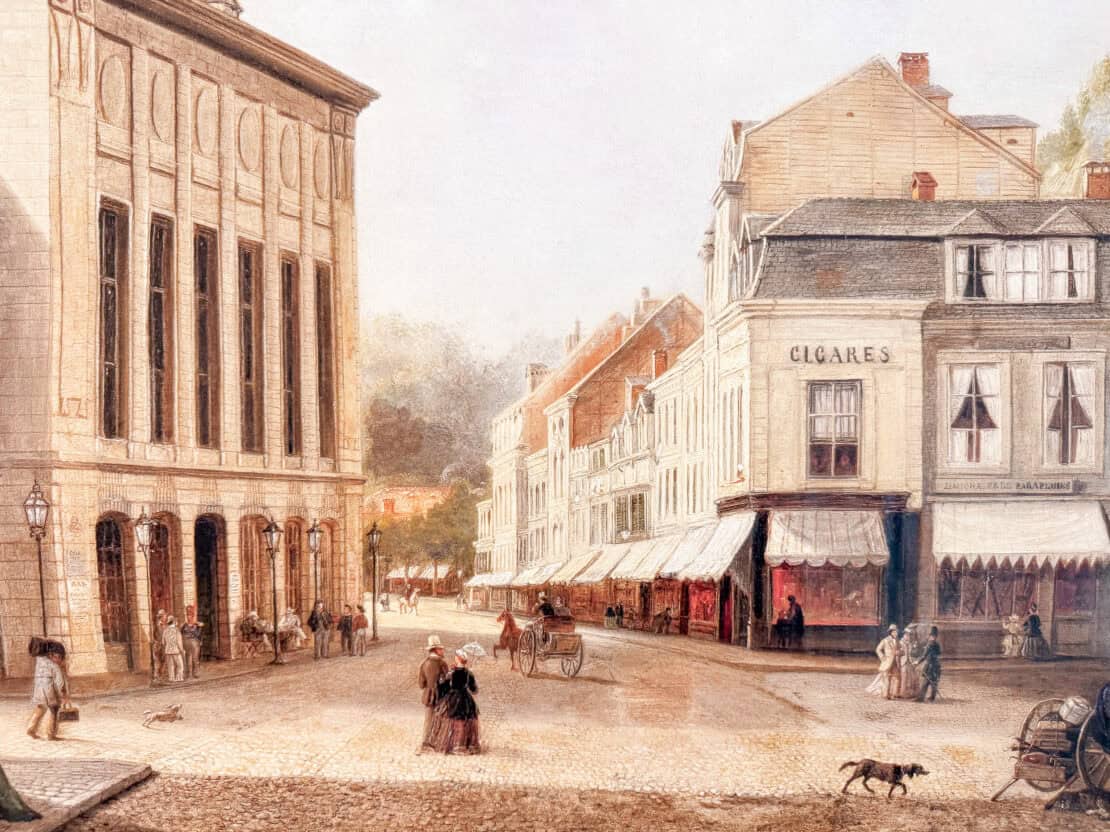
After all, people have to have something to do once the sun goes down after all that clean living. Grand plans produce gardens, hotels, therapeutic treatments and, although it’s up for some discussion, the world’s first casino. A resplendent work of art in today’s tourist office, the Livre d’Or by Antoine Fontaine, reveals the scope and grandeur of the people who came here. Over 30 feet of curving canvas, you can see Descartes, Charles II from England, and the man who started it all: Tsar Peter the Great.
The idea of spa architecture started here and then travelled with royalty across Europe.
If you could find a mineral spring, the riches of tourism could be yours. As well as offering drinking treatments and bathing treatments, an unusually egalitarian approach developed, too. Spa itself, for example, has a synagogue, Catholic church and Anglican chapel. Lay down your pretexts for war, the town said. Come here, relax, heal – and spend.
The idea of a grand European spa town spread further. But eventually, people started to ask – does any of this work?
Bad Kissingen and Science
And so, I wave goodbye to the Ardennes and travel cross country by rail to reach a place renowned for its methodical approach: Bad Kissingen in Bavavia.
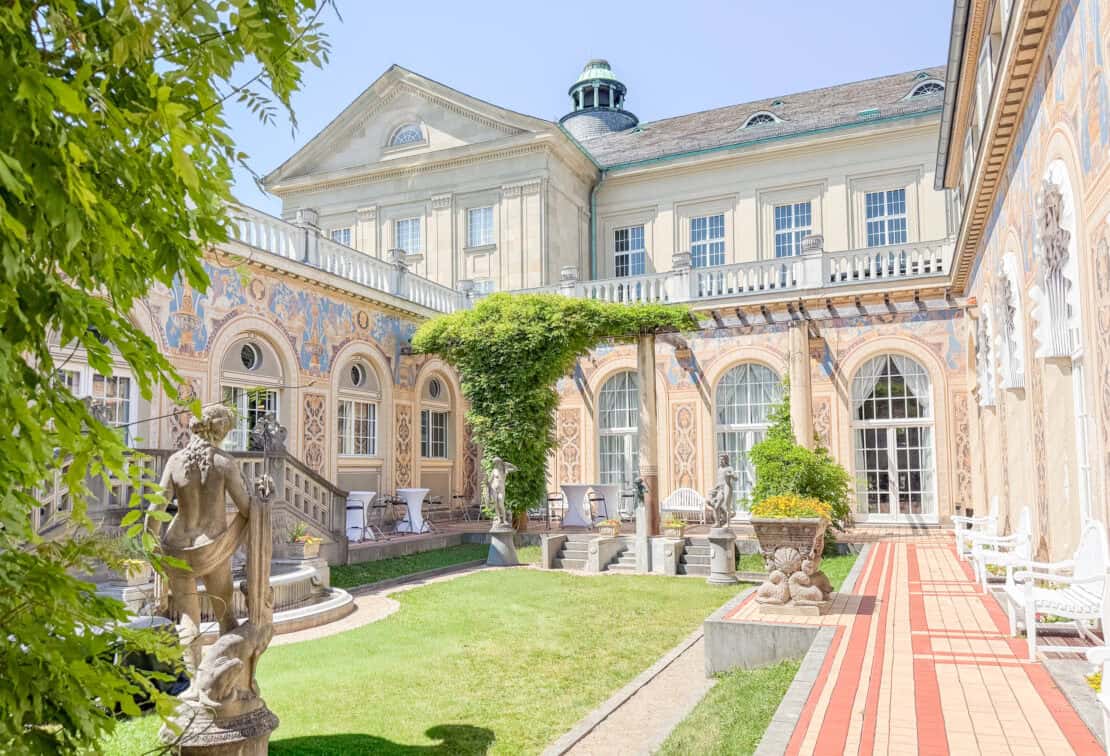
To set the scene, we’re around one hundred miles from Stuttgart, surrounded by extensive woodlands. And the town centre is ridiculously pretty.
It’s summer and flowers tumble over walls, in between fountains, and across the half-timbered houses of the Old Town to the pinnacle of the public rose garden.
But for all the sense of tradition, Bad Kissingen turns out to be one of the newer, more modern old spa towns. The Regentenbau Concert Hall and Wandelhalle finished work in 1913, squeezing in only a few months of decadence before the arrival of the First World War and the change of everything.
Still, this was a place built not only with beauty in mind but efficiency. Although no longer in use, the Luitpoldbad hosts room after room of copper bathtubs, my footsteps echoing along the now silent corridors as Sebastian Dresbach, Spa Director, shows me around.
“And what do you think this is ?” he asks me.
It’s uncomfortably reminiscent of a torture device, a dark wooden box with heavy rivets stamped into a metal ring, a cross between a commode and a beer barrel. It aims to clamp around a person’s body, leaving just their head exposed. Gases were pumped into the system but the head was, in this way, protected. But I’m told that the treatment has been retired now.
I can think of no greater example of how the concept of wellness had well and truly transformed from a passive luxury into a systematic, clinical discipline. It was no longer a matter of preference or social whim; doctors prescribed exact, highly structured daily regimens that governed almost every hour of a visitor’s day.
The Well Women of The Wandelhalle
To get into the spirit of things, and warmly assured that there would be no locking into shrapnel adorned commodes, I decided to play along.
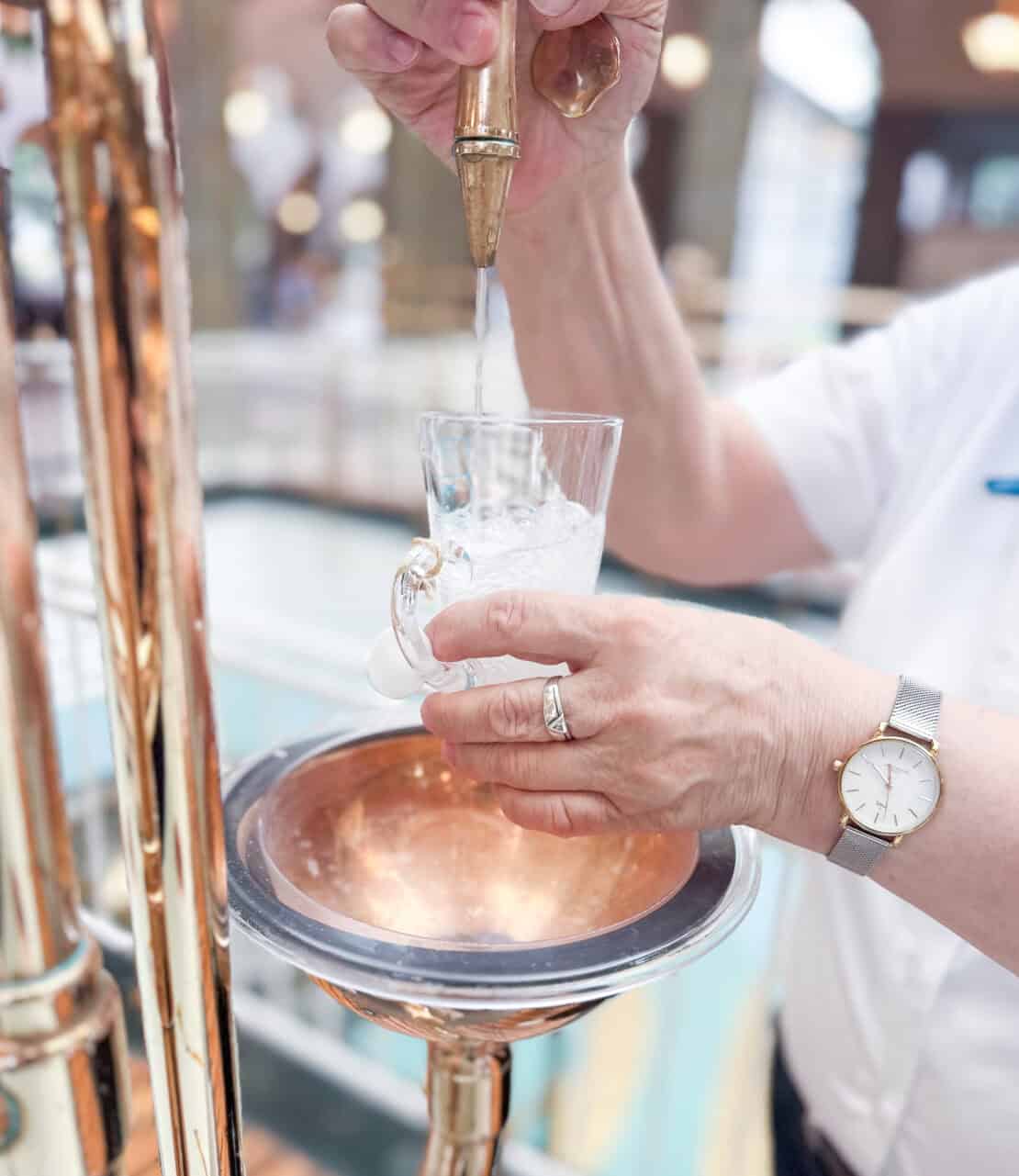
At dawn, I head to the Wandelhalle, the world’s largest pump room, and a kind of secular cathedral to wellness. Concerts take place in the main auditorium or nave – but in the transept, lines of tubes sparkle in gold.
I meet Sabine Krimmel, whose appearance matches both the gold and the sparkle. She asks about my ailments and gets ready to dispense a personal drinking prescription.
Unfortunately for me, this project and everyone who meets me, I have developed something of a filthy cold along this Great Spa Route. My voice is hoarse, my eyes streaming.
It does at least make diagnosis easier.
I’m given a special glass desigend for the purpose, and she gets to work.
It is, dear reader, a little like trying alcohol for the first time. At first, eye watering and disgusting. Then after a while, you get used to it. And finally, if you drink too much or too quickly, you will end up being ill.
The Routine
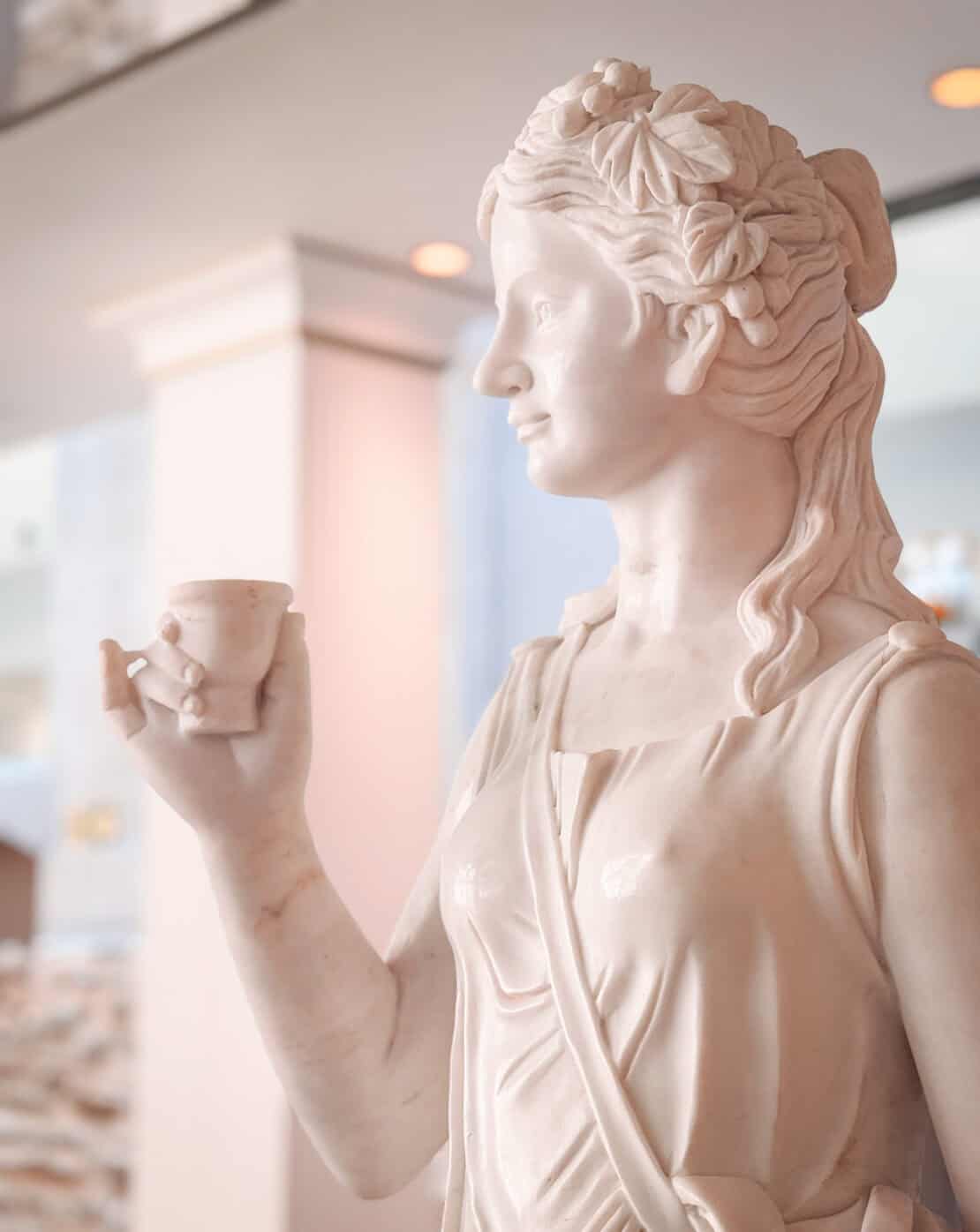
To follow the prescription properly, I would need to drink and walk twice a day, filling my time between with walks in nature, social conversation and listening to music.
And Bad Kissingen makes all of this easy.
The manicured Kurgarten and surrounding hill walks were calculated to regulate digestion, enhance circulation, and maintain steady target heart rates long before electronic monitors existed.
Free concerts take place in the Wandelhalle daily and it’s perhaps not surprising to realise that the uber wealthy, like Chancellor Otto von Bismarck and Empress Elisabeth of Austria (Sisi) bathed here.
But it’s more surprising to realise that healthcare systems prescribed – and in some cases continue to do so – time in these European spas for recovery and recuperation.
The Soundtrack of Health: Music in Bad Kissengen
Music was never treated as optional background entertainment in Bad Kissingen; it was an integral, prescribed component of the medical cure. Nineteenth-century physicians recognised that listening to harmonious live music helped regulate breathing, lower heart rate, and distract patients from the physical stress of illness.
Today, that tradition remains alive through, among other things, the world-renowned Kissinger Sommer – an annual international classical music festival that fills the town’s iconic, acoustically elite Regentenbau concert hall every summer.
Beyond the festival, the town maintains a resident orchestra, the Spa Orchestra (Kurorchester), which continues the daily historic tradition of playing outdoor promenade concerts in the Kurgarten, ensuring that music remains as essential to the town’s healing atmosphere as its thermal springs.
Even in the modern Kiss Salis thermal spa, when you drift underwater in one of the rooms, you can hear the music playing.
So Does Any of It Work?
As delighted as I was to be relaxing in a park listening to music or floating in a sunlit pool with light dancing around, payback for my 300km cycling project or the time I spent reviewing spirits without tonics in a windowless basement in Heathrow, there is a more important question to all this.
There’s a gentle prickle of discomfort, the kind that slowly spreads along your limbs after too long on a sun lounger. As the doctor, neuroscientist and journalist inside me will never let me forget: the intersection of facts with pleasure.
If people are going to be spending – and making – a lot of money through these spa towns, should we or should we not be asking the question: does any of it work?
When it comes to the waters themselves, the answer seems to be, it depends.
When it comes to the Great Spa Towns themselves, the answer is far more surprising.
It’s, well, yes.
The Whole Package
Current advice for preventative health focuses, in no small part, on protocols pioneered and popularised in spa towns across Europe.
A balance of rest, gentle exercise, music, social interaction and solitude are now handed out as recommended activities for mild mental health conditions and gut and cardiac health. Over years, now, large scale epidemiological meta-analyses have identified chronic loneliness as an independent risk factor for heart disease and stroke, on a level similar to hypertension and smoking.
Beyond individual risk factors, these historic spa towns across Europe banned heavy industrial activity within their boundaries, preserving clean air and resulting in low noise pollution. That too seems to prevent nocturnal vascular arousal, thereby reducing risks of high blood pressure and heart failure.
So, a couple of days spent here might just feel nice. But weeks and months is an experiment waiting to be run.
The Liquid Prescription: What Does Science Say About the Waters?
This is less surprising. There’s not a whole lot of reputable scientific research to back up the claims that drinking special water can cure tuberculosis or “nervous hysteria,” as physicians once believed.
However, that doesn’t mean we need to throw the baby out with the mineral-infused bathwater.
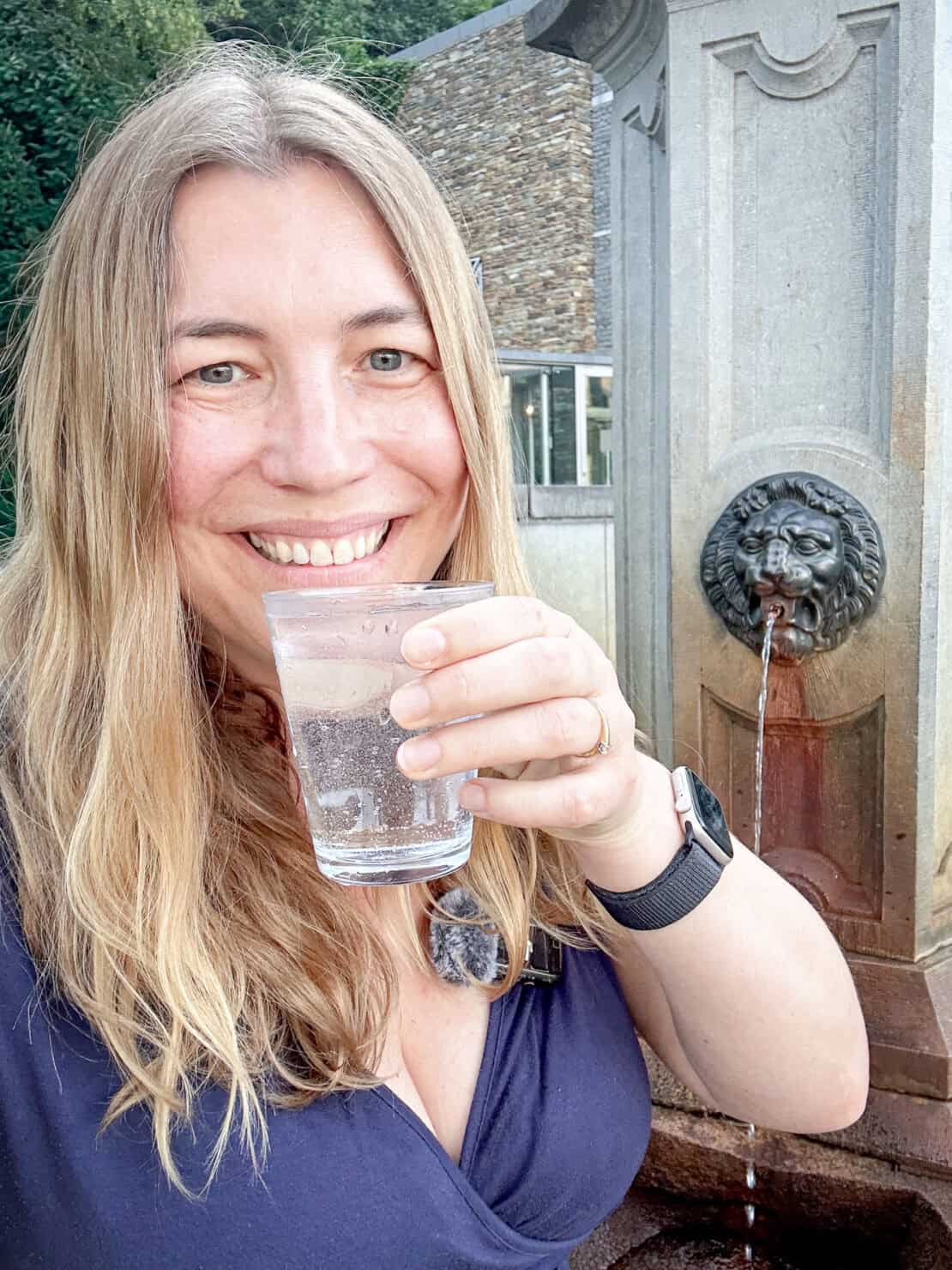
When evaluating the “water cure,” modern medicine looks at two different pillars: bathing or balneotherapy and drinking, or crenotherapy.
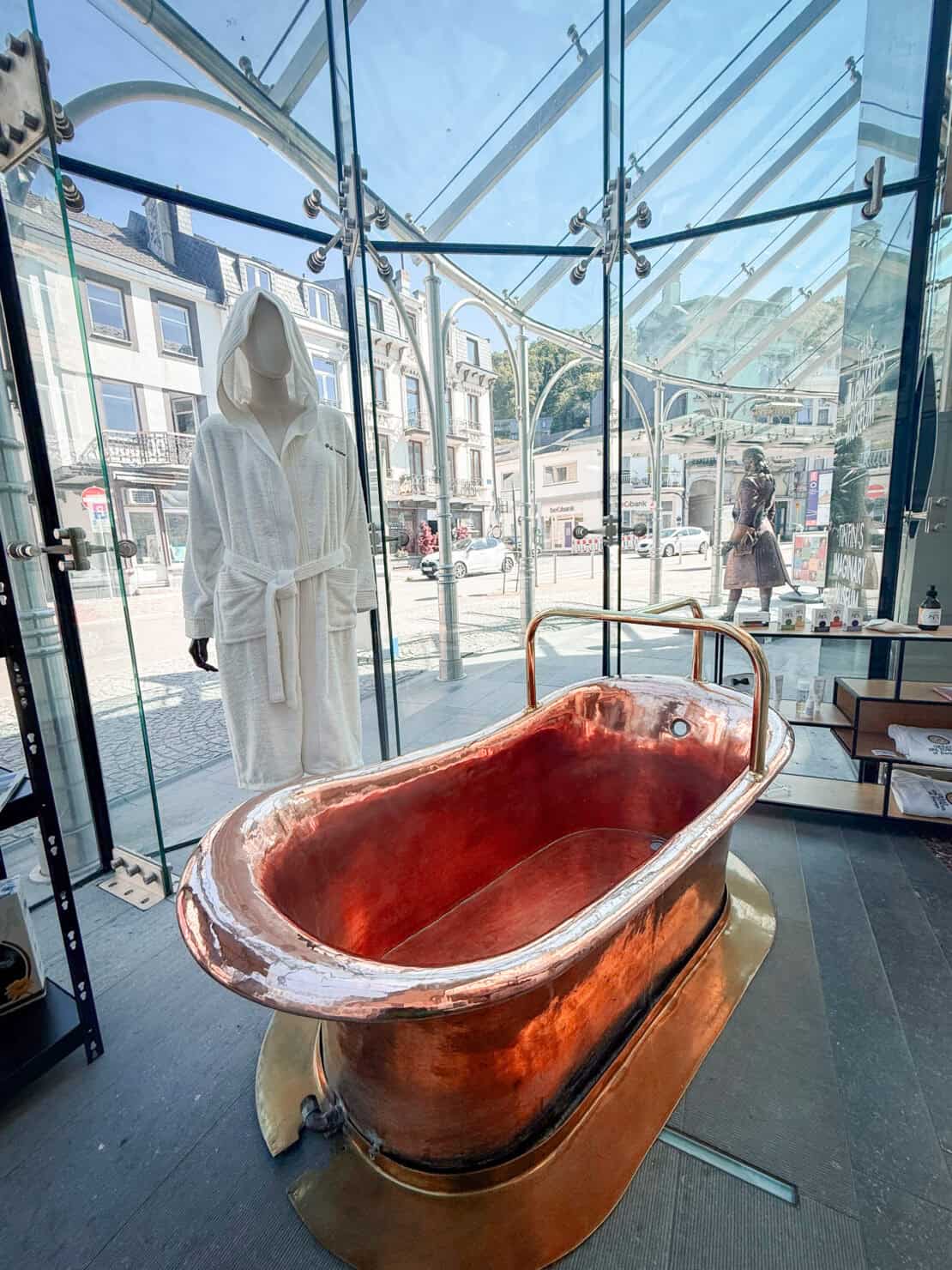
Balneotherapy (Thermal Bathing): Hydrodynamics over Skin Absorption
Historically, physicians believed that the body absorbed vast quantities of vitalising minerals directly through the skin during a soak. We now know that’s not true: human skin is an exceptional barrier.
However, the buoyancy relieves joint strain and hydrostatic pressure pushes fluid from peripheral tissues back into the central circulation, thus increasing stroke volume without spiking blood pressure.
The warmth of the water causes widespread vasodilation, which trials show can sometimes reduce vascular resistance, lower blood pressure and relieve pain. And as someone who never saw the point of a water birth until in active, excruciating labour, I can now readily believe this claim.
And finally, naturally carbonated waters (found in Spa and Bad Kissingen) are believed to allow micro-bubbles of CO2 to penetrate the upper skin layers. This triggers hyperlocal microvascular dilatation, which boosts peripheral blood flow more than just plain warm water.
And with or without all that, few can resist the intuitive relaxation properties of a nice, hot bath.
Crenotherapy (Drinking Cures): Internal Mineral Bioavailability
While sadly not a miracle cure for the common cold, the truth remains that you can absorb minerals by drinking some of these waters. In fact, in some cases, you have to be careful not to drink too much on a short and long term basis. As Sabine advises, “medicinal water is a drug. You should not drink too much.”
That said, reputable studies have shown that drinking waters rich in magnesium and calcium can help to lower systolic blood pressure and reduce LDL cholesterol to improve lipid profiles (these are, generally speaking, both good things.)
Drinking certain waters can also increase gastrointestinal motility through an osmotic laxative effect, which, as I’m sure you we can all agree, could be variably positive or negative, depending on your circumstances and the timing of it all.
And finally, while it’s not just about drinking water, the saline inhalation treatments produced by graduation towers can genuinely help to thin mucus and improve ciliary clearance in patients with chronic respiratory conditions. Again, this is better than it sounds.
The Final Verdict
So, ultimately, can we float and feel good about ourselves? Yes, I believe we can. If anything, since most of these effects require repeated, consistent exposure, it’s a call to spend more time in spas, not less.
But I think my lifetime motto remains: a degree of caution and scepticism is healthy.
We may disagree with the exact biochemistry proposed by historic spa doctors, the Romans in their togas and the Iron Age Brits with their worship of the deity Sulis – but ultimately, we’re appreciating an observation that has remained consistent since the dawn of time.
Particularly in cold, wet countries, people tend to love a hot bath.
Interested in a different kind of water experience? Don’t miss our guide to forest bathing in the Czech Republic.
What Are the Great Spa Towns of Europe?
They’re not just showing off. The real title is The Great Spa Towns of Europe, a lovely, splashy UNESCO World Heritage Site that reaches across seven countries and involves eleven spa towns.
Inscribed together as a transnational World Heritage Site in 2021, each of the historic spa towns had to offer up more than a glass of water and a hint of relaxation to earn their place.
To qualify, the towns needed to demonstrate urban planning that prioritised nature, spa architecture, leisure and international diplomacy, focused around natural mineral water springs, with a well managed property management plan.
Together, they represent the pinnacle of European spa culture from the 18th century to the 1930s.
The Great Spas of Europe
- Bath (United Kingdom) – Famous for its ancient Roman baths, sweeping Georgian terraces and Jane Austen and Bridgerton fans.
- Spa (Belgium) – The one that gave its name to the others, in the historic Ardennes.
- Bad Kissingen (Germany) – A Bavarian medical haven renowned for its monumental pump room and music concerts.
- Baden-Baden (Germany) – The opulent “Summer Capital of Europe” on the edge of the Black Forest, famous for its grand casino and historic bathhouses.
- Bad Ems (Germany) – A picturesque Lahn Valley riverfront spa favoured by emperors and Russian Tsars for its mineral springs and neoclassicism.
- Baden bei Wien (Austria) – Imperial Vienna’s favourite summer escape, with yellow Biedermeier villas and potent sulphur springs.
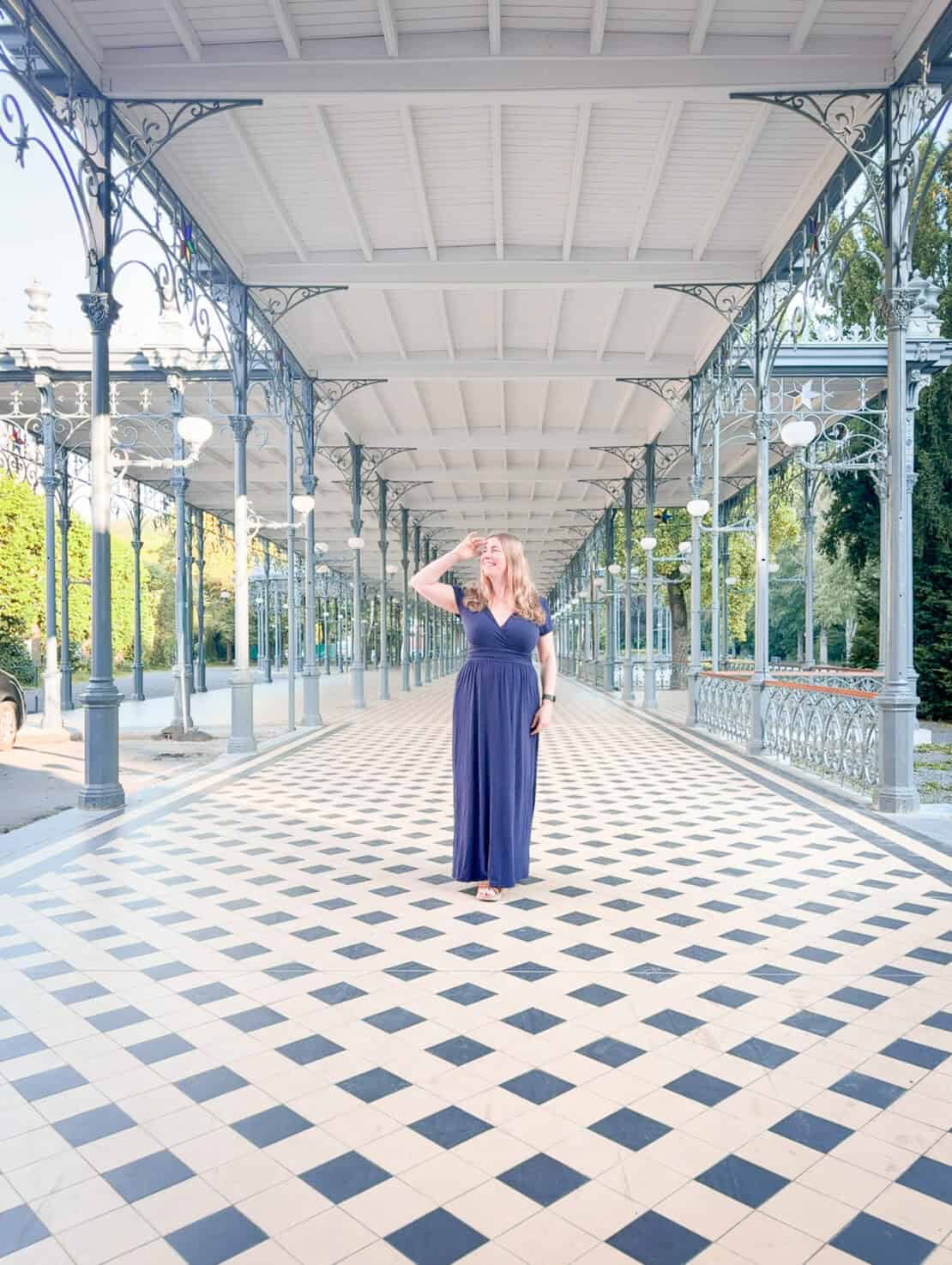
- Karlovy Vary (Czechia) – A dramatic valley spa town lined with grand colonnades, steaming geysers, and porcelain water-cup traditions.
- Mariánské Lázně (Czechia) – A neo-Baroque sanctuary set in dense woodlands, historically beloved by Goethe, Chopin, and King Edward VII.
- Františkovy Lázně (Czechia) – A serene, neoclassical model spa town painted in imperial yellow and built around cold mineral springs.
- Montecatini Terme (Italy) – Tuscany’s premier thermal resort, famed for its elegant Art Nouveau architecture and ornate drinking pavilions.
- Vichy (France) – Known as the “Queen of Spa Towns,” featuring covered ironwork arcades, Napoleon III heritage, and bottled mineral springs.
Your Travel Guide to the Great Spa Towns of Europe
Although the UNESCO inscription links these eleven destinations under a single title, I wouldn’t advise using them as inspiration for a single road trip across Europe.
Spa culture was built on slow, restorative travel, moving at a pace that gives the body and mind time to settle into gentle rhythms of daily mineral cures, structured forest walks, and quiet reflection.
In other words, the complete opposite of airport security queues and annoying passenger TikToks playing on a loop.
If you do want to combine a few, the most sensible plan is to head to the Bohemian Spa Triangle, where Karlovy Vary, Mariánské Lázně and Františkovy Lázně all sit within an easy train ride of Prague.
I’d also highly recommend exploring these three key places:
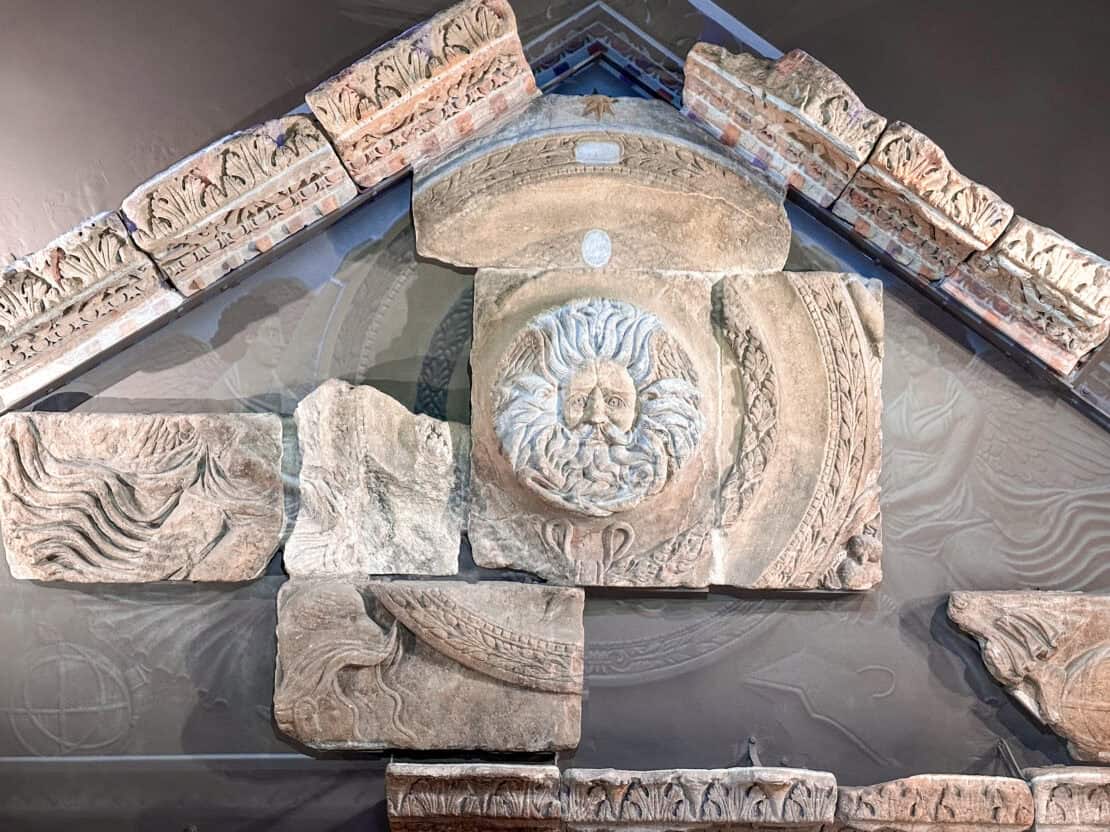
The City of Bath, UNESCO World Heritage Site, United Kingdom
- Stay: The Francis Hotel – Recently renovated and right in the heart of the city. Emberwood restaurant serves food cooked over an open fire and massages release deep tissue strain in a way that few usually manage.
- See: The preserved ancient Roman Baths complex, the iconic curve of the Royal Crescent, and the historic Assembly Rooms where 18th-century bathers socialised. Or, simply take a stroll around one of the most walkable cities in the UK.
- Water: Bathe at Thermae Bath Spa, where you can swim in natural, warm mineral waters on an open-air rooftop pool overlooking Bath Abbey. You can also sip warm, iron-and-sulphur-rich mineral spring water inside the historic Pump Room to the sound of a violin medley.
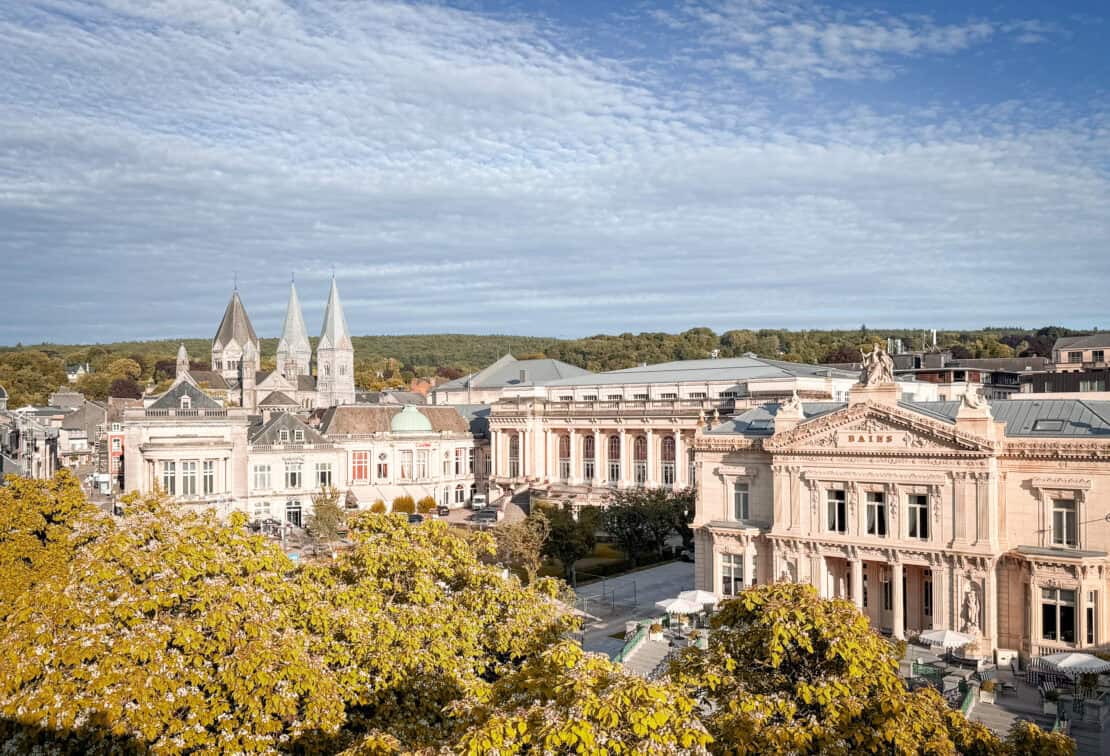
Spa, Belgium
- Stay: Van der Valk Hotel Spa – Centrally located and connected directly to the hilltop baths by a private funicular cable car. For historic charm, book La Villa des Fleurs, an elegant 19th-century townhouse.
- See: The grand Pouhon Pierre le Grand (the spring building where Tsar Peter the Great took his cure), and the Promenade des Artistes, a wooded hiking route through the Ardennes forest.
- Water: Visit the modern Les Thermes de Spa complex sitting high above the town for outdoor heated pools filled with local spring water and a rather clinical atmosphere. Sample naturally carbonated, metallic mineral water straight from the Pierre le Grand or Sauvenière springs for free at the base of the funicular. And for a luxurious spa experience, head to the historic Les Bains de Spa for one of the best soaks in town.
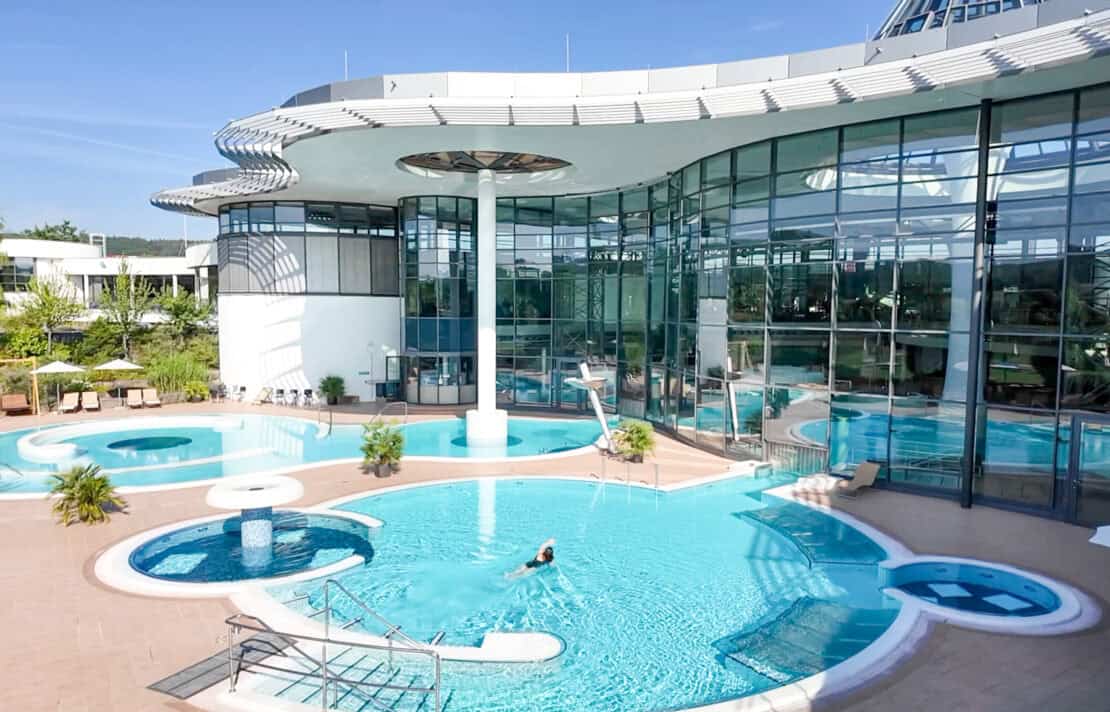
Bad Kissingen, Germany
- Stay: Grand Hotel Kaiserhof Victoria – A historic 19th-century hotel where Empress Sisi and Otto von Bismarck stayed while taking their annual cures. Alternatively, Hotel Frankenland offers spacious swimming areas and modern gyms within walking distance of the main sights.
- See: The monumental Wandelhalle (Europe’s largest pump room), the Regentenbau concert hall, and the Luitpoldpark.
- Water: Drink custom mineral water prescriptions served fresh by Brunnenfrauen inside the Wandelhalle, then head to the wonderful KissSalis Therme to soak in extensive thermal indoor and outdoor pools and indulge in sauna and clay treatments.
More About Travel in Europe
- How to spend a weekend in Harrogate, the spa town of the north
- Is forest bathing scientific?
- The stories behind the UNESCO World Heritage Wieliczka Salt Mines
- The most walkable cities in the UK
- The Berlin Wall: the unheard story of growing up in East Germany
- 15 interesting nicknames for London and what they mean
- Why the Nuremberg sausage is so important
- Finding the best philosophy tours in Athens