Here’s the best advice on how to stay fit while travelling with tips to help you pull it off.
The Best Ways to Stay Fit While Travelling
Let me put my cards well and truly on the table. I have not had the best history of staying fit while on the road. This is not an article written by a lean, mean gym instructor. But it is written by a travel writer who is also a doctor and who knows what you need to do to be healthy – and what you don’t.
First of all, you don’t need perfection. Second of all, this can’t qualify as proper medical advice – always seek input from your own healthcare professional who can tailor things exactly to your needs.
But. It’s a handy place to start.
“The decent plan you follow is always better than the perfect plan you quit.”
How to Focus on Your Health – In a Healthy Way
First of all, it’s fine to have a rest week where you cut back on exercise and loosen rules around food. If that scares you or if you, or others close to you, suspect that your desire for eating healthy food and sticking to intense exercise has started to cause problems, then please leave this article and check out the resources here at BEAT.
For the rest of us, most of us know that we would feel better in the short and long term if we did a bit more exercise and made healthier eating choices.
But it’s rarely as easy as it sounds.
Travel dismantles routine. Flights leave at dawn, dinner drifts into late evening, meetings stack up and children wake early in unfamiliar beds. Your usual home gym, or real gym, disappears and, with it, the habits that quietly help you stay fit. Like not having a tube of Pringles available 24 hours a day in the minibar.
Yet it is entirely possible to stay in shape while travelling, even while traveling frequently across time zones with limited time and a busy travel schedule. The secret isn’t heroic discipline. It’s designing small, repeatable habits that support your well-being when you’re away from home.
The biggest way to ruin it all is to continue to chase peak performance or stick to a rigid routine.
Staying fit on the road is more about maintaining strength, supporting hydration and nutrition, protecting sleep, fitting in some cardio and enjoying yourself. You don’t need a full workout every day. You need enough movement to reduce stiffness, maintain muscle and keep your energy steady.
So, ignore the fact that photos show that I don’t have a “perfect” gym buddy body.
Instead, take heed of the decent travel tips I can offer you.
Top Tip: If there’s no access to a gym, look for facilities offering day passes or short-term memberships. For example, if you’re near Longueuil in Quebec, you might explore options such as a modern gym in Longueuil that provides flexible access and contemporary equipment. Ask your concierge for advice.
NHS Exercise Guidelines
Adults should aim to:
- Do strengthening activities that work all the major muscle groups (legs, hips, back, abdomen, chest, shoulders and arms) on at least 2 days a week)
- Do at least 150 minutes of moderate intensity activity a week or 75 minutes of vigorous intensity activity a week
- Spread exercise evenly over 4 to 5 days a week, or every day
- Reduce time spent sitting or lying down and break up long periods of not moving with some activity
You can also achieve your weekly activity target with:
- Several short sessions of very vigorous intensity activity
- A mix of moderate, vigorous and very vigorous intensity activity
Travel Workouts are Easier Than You Think
The simplest travel workouts are hidden in plain sight.
Walking
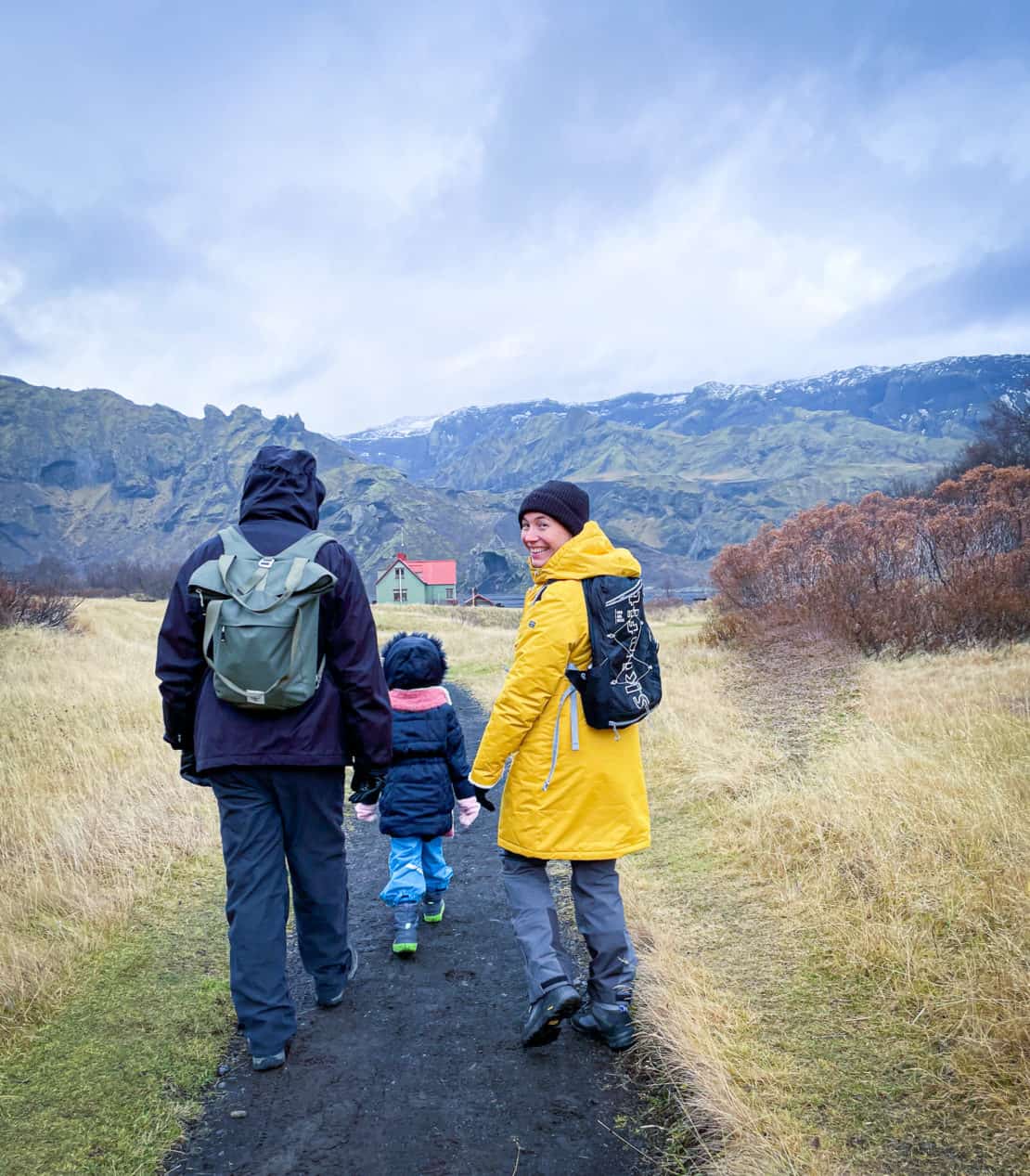
Walking is one of the best exercises for travel because it requires little to no equipment – and you get to see beautiful places. The latest research suggests that you only need 6000 steps a day to positively impact your heart health. It’s easy to chalk that up just getting around the airport – you can certainly get there while sightseeing.
Walking helps regulate appetite, improves sleep and assists your body in adjusting after air travel. It’s a magic trick, really.
How do you do this?
Wear comfortable shoes and walk where possible. Explore neighbourhoods on foot instead of relying on taxis. Take the stairs whenever you can. These decisions may feel small, but they compound quickly.
Plus, your phone probably already tracks the number of steps you take. Look in “Health” on the iPhone and try to keep above 6000 steps on most days.
Hotel Room Workouts: Bodyweight for Strength Training
It’s also become clear over the years that strength training is important for us all to do, whatever our age and circumstances. It helps keep a healthy weight, helps bone health and mental health and it’s really hard to get bulky, so most of us have no need to worry about that.
Ah, but how to do it on the road?
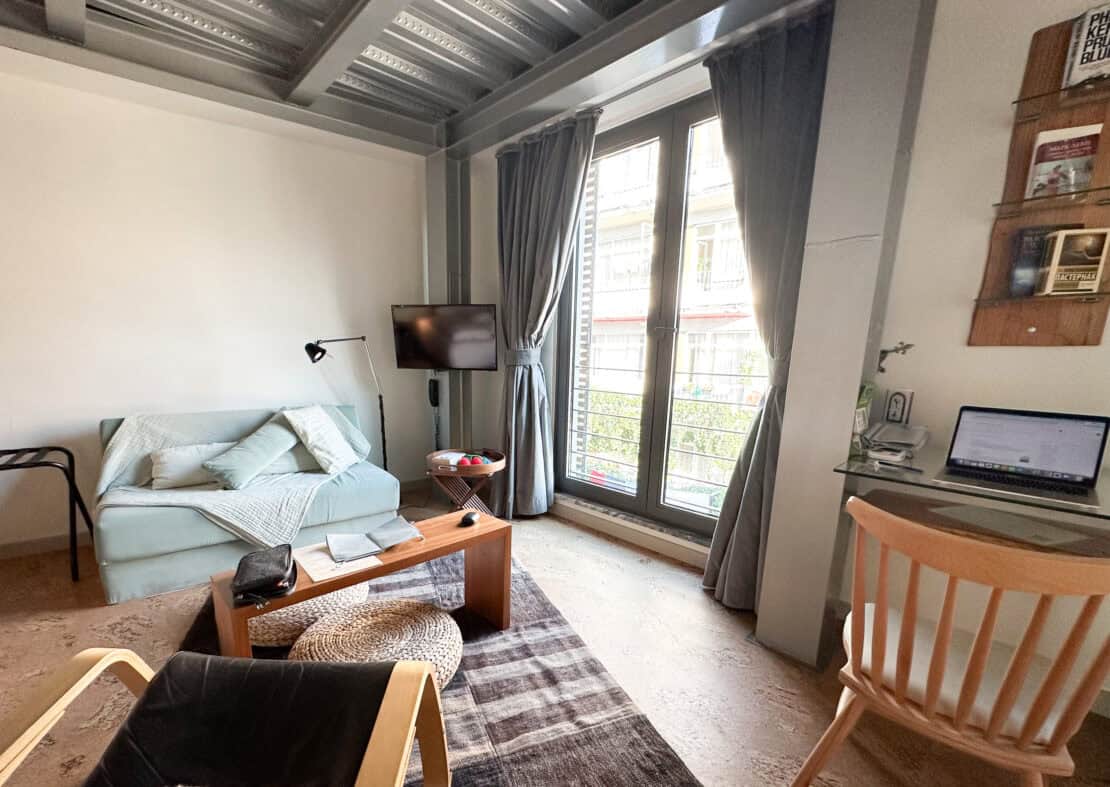
Well, you don’t need access to a gym to get a decent workout in. A quick workout in your hotel room can be surprisingly effective, even using furniture in your hotel room and very little space.
A simple 15-minute workout routine repeated two or three times might include bodyweight squats, push-ups using a desk for incline support, lunges, planks and glute bridges. We go into this in a lot more detail, including the best exercises when you haven’t got room to swing a cat, in our Travel Wellness Kit.
If you’re short on time, high-intensity interval training works well: 30 seconds of effort followed by 30 seconds of rest, rotating through squats, mountain climbers and push-ups. It’s efficient and well suited to busy travel. I’d highly recommend checking out the workouts on My Fitness Pal to get started.
Resistance bands are another practical addition to your travel bag. They fit without taking up much space and allow a more complete strength session.

Gym Workouts for Fitness Goals
Sometimes, however, hitting the gym makes sense. I always feel more inspired and less, well, strange, working out in a gym. Although, that does mean packing gym kit, which takes up extra space in your luggage.
A proper gym does make it much easier to calibrate the weights you’re using, which is particularly helpful if you’re following physiotherapy instructions while recovering from injury, for example. (Ask me how I know this…)
On longer stays, the structure can be helpful. If your hotel has a fitness room, use it strategically rather than feeling pressure to complete a full workout daily. For example, do arms on Monday, legs Tuesday, core Wednesday if you don’t have time to do the full shebang in one go. (Current medical advice suggests we should all be doing strength training on all main muscle groups 2-3 x a week.)
Stay Flexible – In More Ways Than One
Ah, the older I get, the more I realise I need to do this.
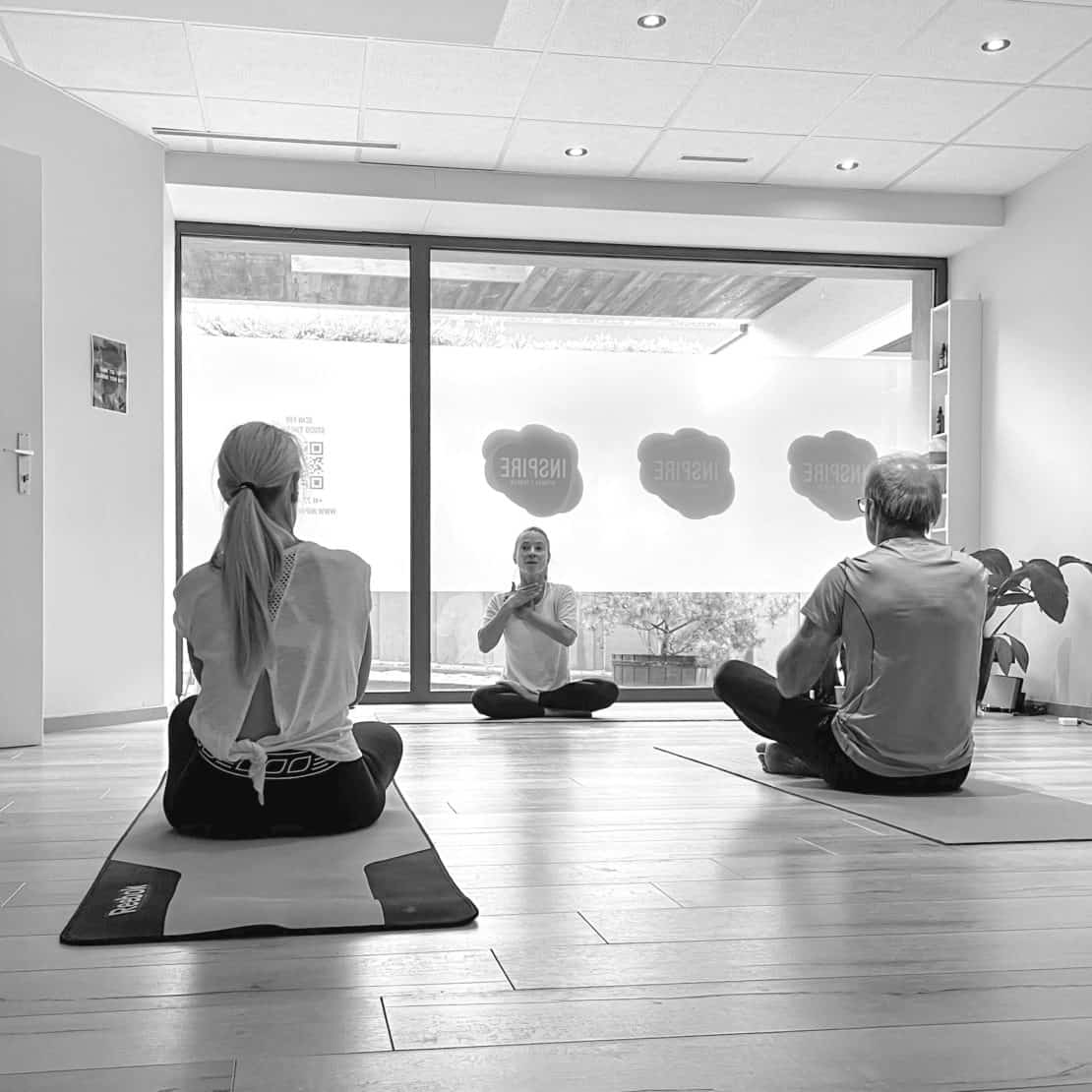
After long flights and drives, hips tighten, hamstrings shorten and upper backs stiffen. Ten minutes of mobility work in the evening can dramatically reduce stiffness. Focus on hip flexors, hamstrings, thoracic rotation and calves. Yoga by Adriene has some lovely free videos to help you know what to do.
You can either invest in a travel yoga mat or get creative with hotel towels. My favourite way to start the day is with this video on yoga in bed.
Remember, once again, that the decent plan you follow is better than the perfect plan you quit…
- Recommended reading: how to survive a long haul flight
Fitness Apps to Keep You Healthy on the Road
I admit I’m a tech addict now, even on travel days. Technology makes it easier to stay consistent and it reduces decision fatigue. Apps help you stay on track because the plan is already there – and they tap in to that competitive, dopamine hit that tapping at your phone provides.
But which fitness apps will help?
Choose programmes that prioritise practicality over perfection and that require little to no equipment.
Many online fitness platforms offer short sessions designed for limited time, from strength circuits to guided mobility work.
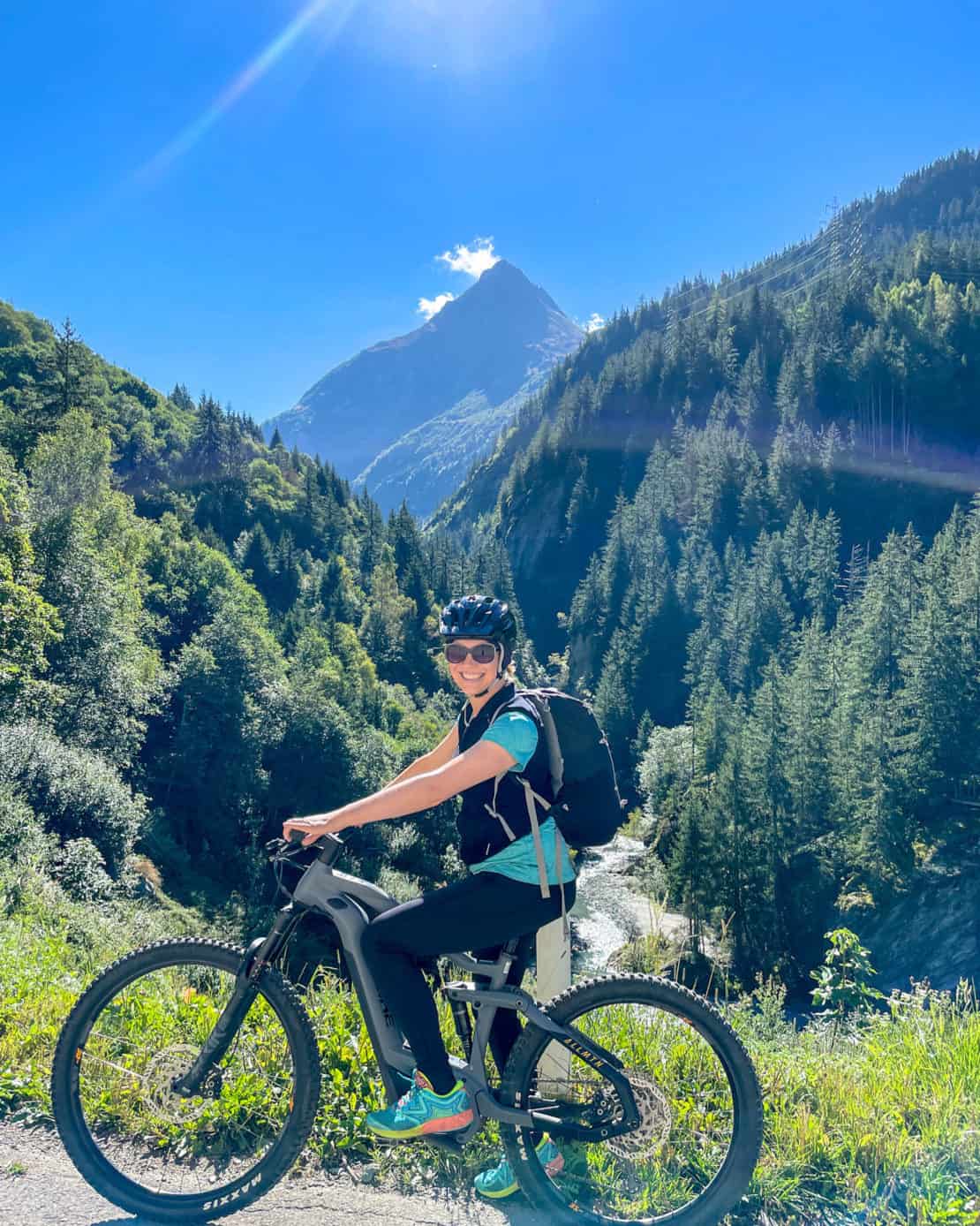
When it comes to cycling, I have a full range of apps I’ve worked my way through.
For overall exercise, I really enjoy the Gentler Streak App. It keeps track of all the exercise you do and provides encouraging reminders not only to stay active but also to rest. In other words, a proper fitness routine.
Healthy Food and Staying Hydrated
I don’t want to delve too much into this here (again, we go into much more detail in the Wellness Kit.)
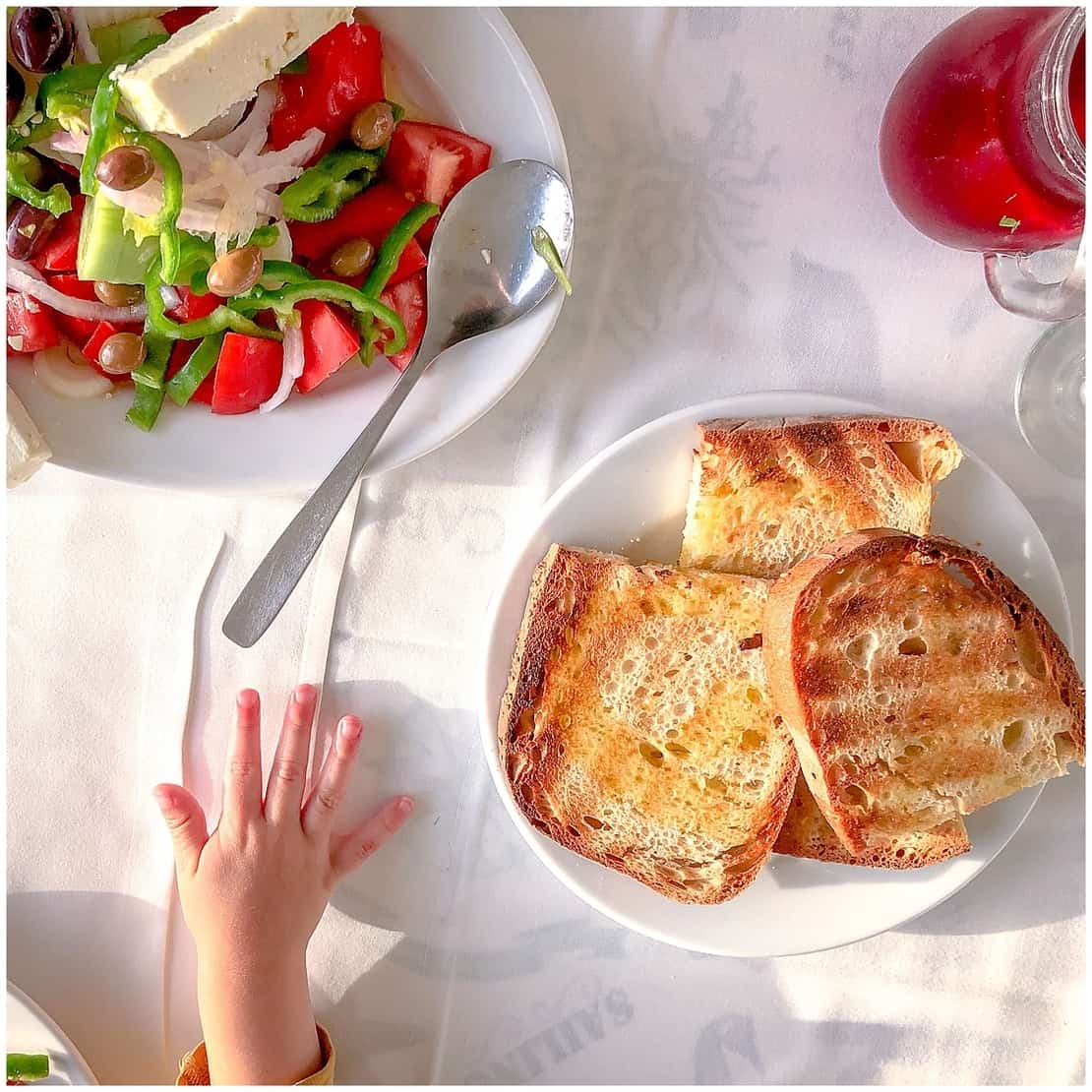
But healthy eating while travelling is about balance, not restriction. Food is part of the experience – what would Paris be without croissants and Naples without pizza?
But hydration and nutrition underpin energy and recovery.
I always aim to have fresh fruit and vegetables whenever it’s safe and whenever I can, since it’s often so hard to find at restaurants.
At breakfast, prioritise protein such as eggs, yoghurt, nuts and seeds to help keep you full and reduce mid-morning crashes.
Carry healthy snacks in your bag, particularly during busy travel or flight delays to stay healthy on the go and prevent meltdowns. Nuts, fruit or a simple protein bar can prevent the Pringles from taking over too often.
Drink plenty of water, especially during air travel when dehydration is common.
Where possible, choose meals built around lean protein, vegetables, whole grains and healthy fats. These habits help you stay healthy and keep your energy stable.
Enjoy local dishes, but with the age old moderation.
The Miracle Fix
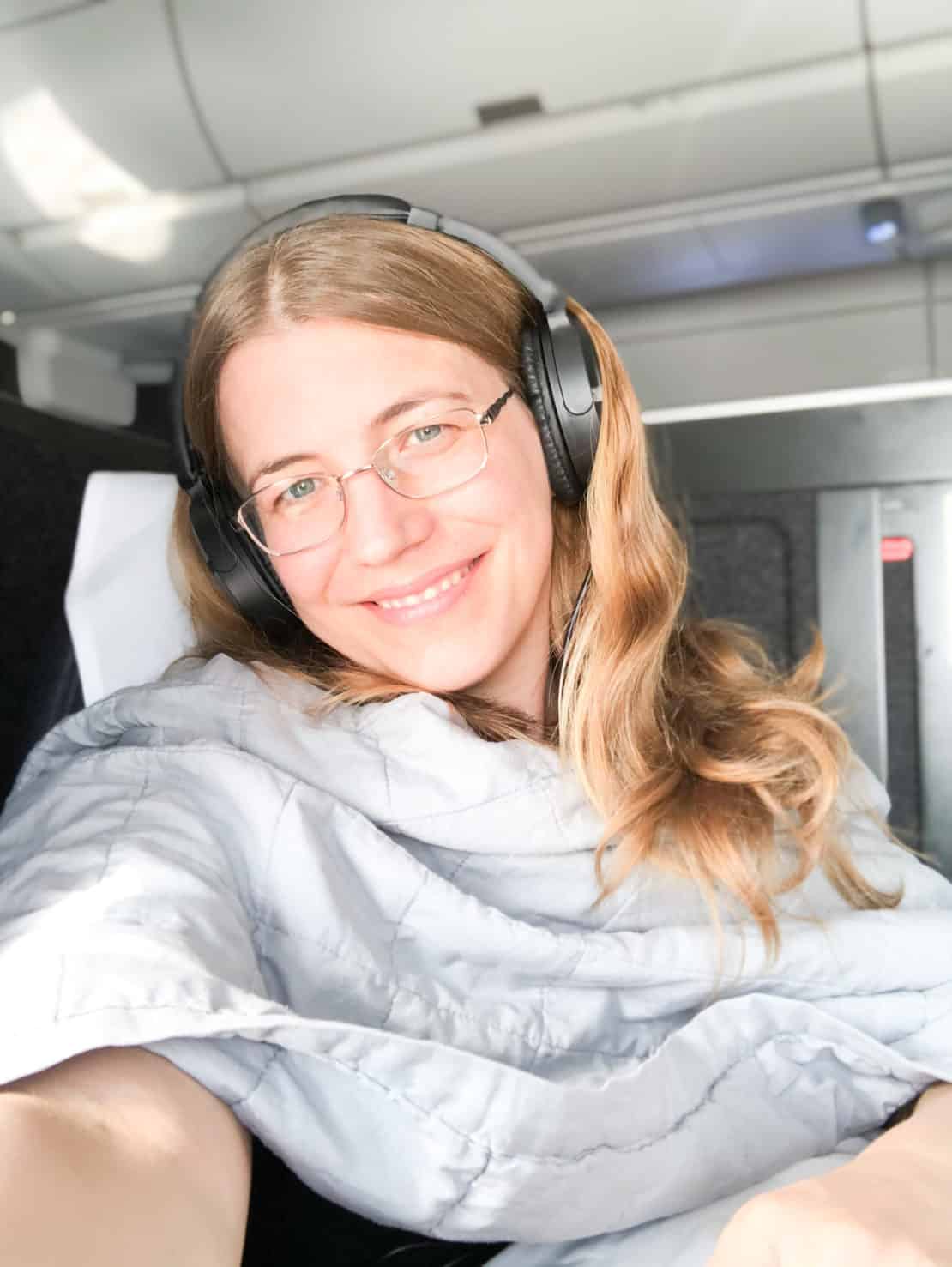
Sleep is one of the most powerful but overlooked tips to stay in shape while traveling. Crossing a time zone disrupts appetite, mood and performance. In other words, you get cranky if you don’t get enough sleep.
While there is no miracle fix for jet lag, there are things you can do to increase your chances of a good night’s kip.
Seek daylight early in the day, move your body soon after arrival and keep rooms cool and dark at night. Avoid heavy late meals where possible and cover all the strange bleeping lights within your hotel room.

Getting Back on Track
One last thing. One of the biggest barriers to staying fit while travelling is an all or nothing mentality. You know, you’ve missed one workout so what’s the point in doing any more? You ate a load of rubbish at the airport so you’ll “start the diet” once you get home.
It’s a mindset that’s almost everywhere in our society and it’s one I’m trying to change within myself. Health is about feeling good so that you can love your life, carry out your purpose and enjoy the world. Notice what makes you feel better as you start your day. Listen to your body when it tells you it’s tired. And never give up. Your body is not the enemy – you’re both in this together.
Good luck and happy travels!

Lifestyle Changes: Some Final Thoughts
The thing about lifestyle changes for health is, well, you do need to ultimately change your lifestyle. Not change who you are – but how you do things.
So, for example, I have had several operations on my foot so can no longer run. So, I’ve tried to make cycling and swimming a part of my life so that I can fit in some cardio.
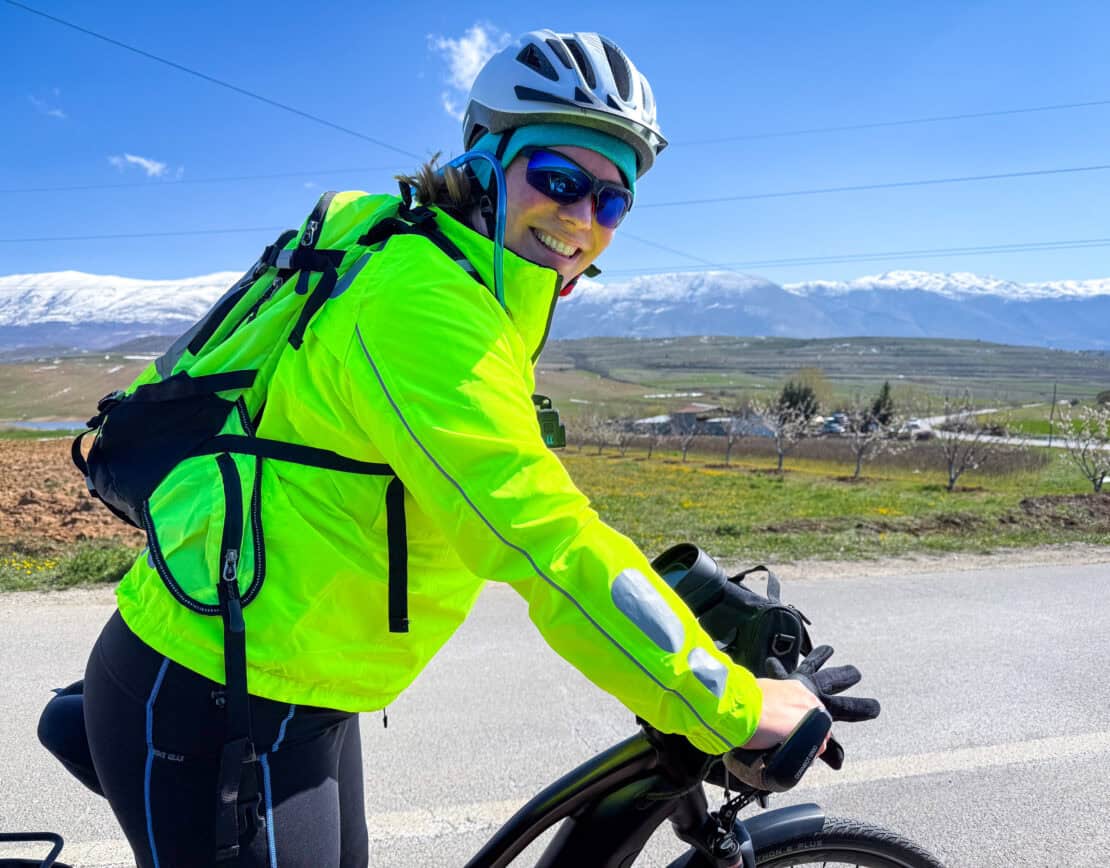
Sometimes, that involves challenges like cycling solo in Albania. At other times, I’ve taken my daughter for a ride along the former riverbed in Valencia. I look for hotels with swimming pools or gyms when I need to but I don’t get obsessive.
I’ve not found the perfect balance yet – and I doubt that anyone has. But I do look to see how I can combine things I need to do (exercise, eat well) with what I love to do (travel, try new things.)
What could you add in to make your life more enjoyable and healthier at the same time?

Tips to Plan Ahead and Stay Consistent
If you want to stay healthy on the road without going mad, then check out the Wellness Kit.
It encourages you to plan ahead before departure, clarify realistic fitness goals and identify time for workouts around your travel schedule. It helps you track hydration and nutrition, reflect on energy levels and notice patterns.
Rather than insisting on sticking to a rigid routine, it focuses on habits that support your well-being. It includes practical tips and tricks to help you adapt to busy travel, prevent stiffness after long flights and choose the best exercises for your circumstances.
The emphasis is on consistency because consistency helps you stay fit more effectively than occasional extremes.
Plus, it feels good!
Check out our Wellness Kit here.
More Travel Tips
- How to travel with allergies
- How to travel with glasses: what you need to know
- The travel money tips I learned the hard way
- Long haul flight essentials – what you need for a more comfortable flight
- What to know about breastfeeding on a plane