From booking to planning your trip, here’s inside information on the best travel tips for Vietnam.
The Travel Tips for Vietnam That Make a Difference
Vietnam offers so much more than the eye sees at first glance. For those planning a trip to Vietnam, curious travellers who look beneath the surface will find streets that sing with daily life, markets that feel alive with culture and landscapes that reward patience.
This guide brings together my hard earned Vietnam travel tips, so that you can get on and focus on all that lovely history and culture, instead of queuing at an embassy or hiding in the, ahem, bathroom.
Use Technology, But Don’t Rely On It Entirely
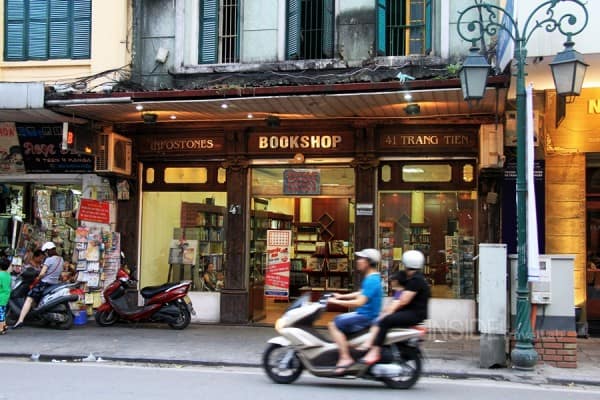
When I first arrived in Saigon, we used paper maps and word of mouth. And it wasn’t even that long ago.
Today, of course, life feels impossible without a mobile phone but the key sting in the tail involves ridiculously high roaming charges.
The solution? Download a local eSIM for Vietnam before you leave and install as much as you can using your home or hotel wifi.
Think of downloading Google Maps and ride-hailing apps like Grab; they simplify taxi alternatives and help you find routes and timing in real time.
In places like Da Nang, Hanoi and HCMC, apps can be very useful, but in remote areas, you may find you’re on your own.
Think in Layers, Not Destinations
Vietnam’s regions are distinct. The north feels altogether different from the central coast and the tropical south – and that’s part of the fun.
When you are visiting Vietnam for the first time, give yourself time in each region to absorb the differences in food, pace and weather.
So, when you’re packing, make sure to layer up well, too, to fit the changing climate. You can find my ultimate guide to holiday packing here.
Crossing the Road – Literally and Figuratively
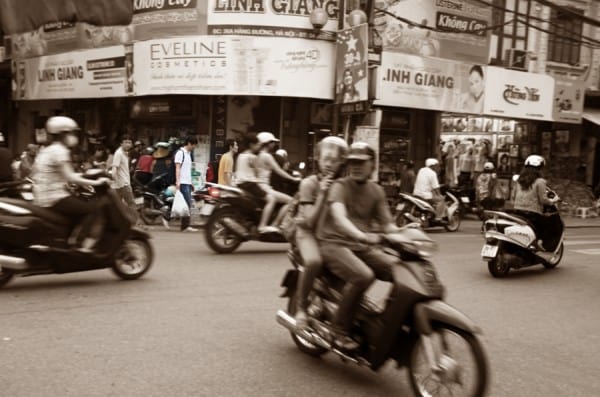
Ah, crossing the road in Vietnam. It’s not the same as in London, that’s for sure. People, bicycles, mopeds, scooters, buses. All a throng of activity with more lanes than there are types of noodles, especially in cities like Hanoi and Ho Chi Minh City.
It seems chaotic, or frankly terrifying, at first but there is a technique. You need to commit. Walk at a steady, predictable pace and allow everyone else to navigate around you.
Seriously, that’s how it works and that’s the best advice I can give you. If you halt and get nervous, that’s when you end up in trouble.
Take Care with Tap Water and Certain Foods
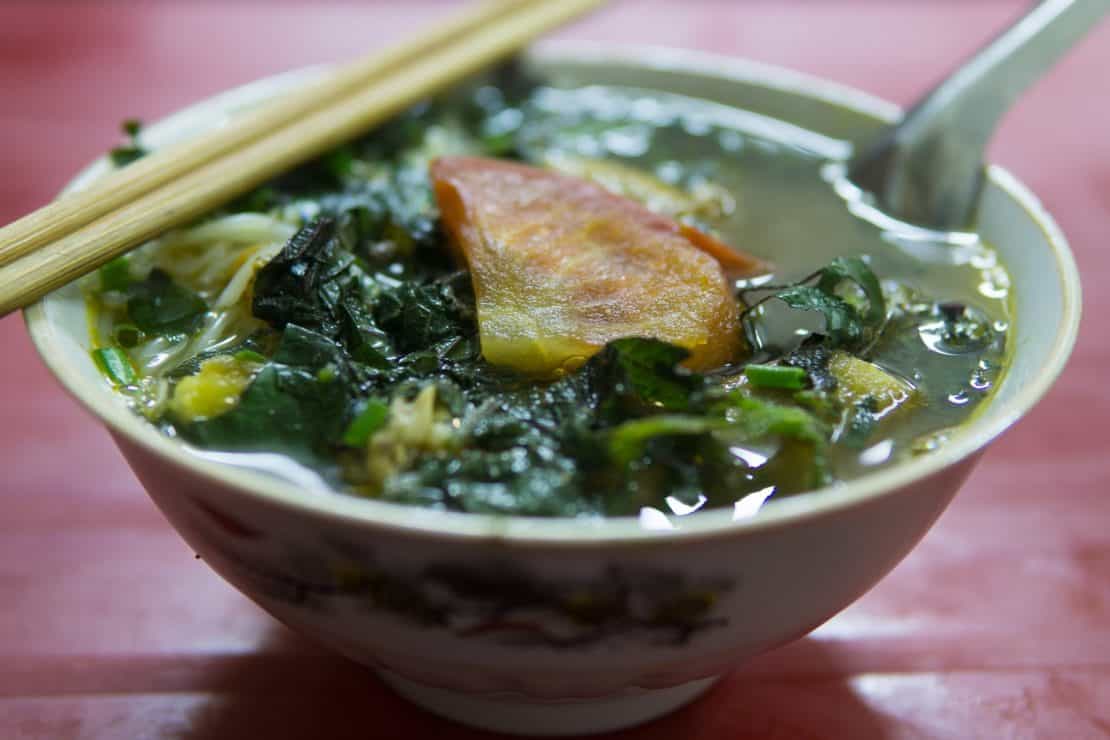
I love, love, love street food in Vietnam. So many flavours, so many unpretentious places to eat. If you’ve tried pho or bun cha at home already, make sure to try it again here. In fact, I’d like to advise you to eat everything but if you listen to one piece of advice, let it be this.
Look for busy, popular stalls where locals eat. Aim for fruit you can peel yourself and avoid salads if you’re not sure about the drinking water. Play it safe when it comes to your health.
On that note, be meticulous about the water you drink. Go for bottled water, even though the plastic bottles may hurt your soul, and avoid ice. Unfortunately, food poisoning remains pretty common and you can avoid most of it by reading up on these tips before you leave.
And, as ever, as always, I’m going to recommend taking a food tour. They’re such a good way to try new flavours, find the best places, get chatting with local people and make new friends. You’ll find them in all the bigger cities and you can usually make a last minute booking if you’re already part way into your Vietnam trip.
Travel Insurance and Travel Vaccines Are Non-Negotiable
As a doctor, I have to stress this. Travel vaccines, including routine shots and any recommended for the Mekong Delta or rural areas, are vitally important. Some jabs take weeks of months to become effective, so plan early and get organised. We have a travel planning checklist to help you with that.
Don’t forget to protect against insect bites. The small but deadly mosquito likes to take advantage of the unprepared – check out this official bite protection checklist.
Travel insurance is also crucial. It only takes one accident to cost you thousands and thousands of pounds, whereas travel insurance itself is usually pretty affordable.
Learn the Currency Because Cash is King
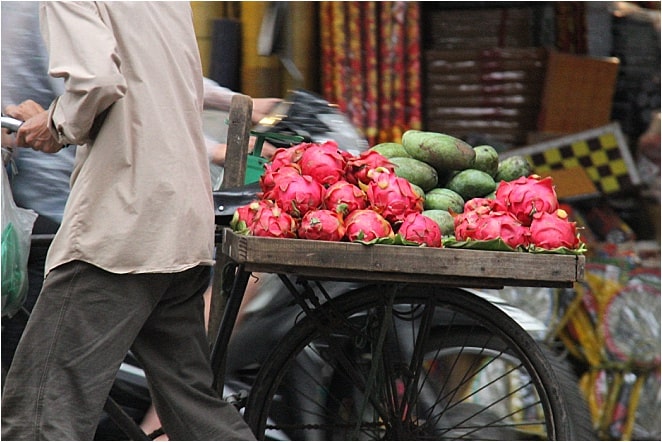
Vietnam’s currency, the Vietnamese dong, can take a moment to get used to because of all the zeros on the notes.
In most towns and cities, cash is king, especially outside major hotels and restaurants; ATMs are widely available but carry a bit of cash for markets and smaller cafés. Don’t exchange money at a hotel unless you really need to, they tend to offer the worst rates.
In more rural areas or smaller towns, cards may not be accepted at all and USD banknotes can sometimes be handy for exchange.
Check out our article on how to make the most of your money when you travel.
Get Flexible
Haggling is expected in markets and at street stalls. It’s part of the interaction, not a confrontation, so start with a lower price and meet somewhere fair, always with respect.
Personally, I hate haggling but plenty of my travel companions have made an art out of it over the years. If you really struggle with it yourself, you are more likely to find fixed prices in the touristy areas.
Travel Hacks for Getting Around Vietnam
As you’d imagine, you’ll find lots of ways to get around. Everything from overnight trains to buses, private car hires and domestic flights in Vietnam.
The night train or Lotus train can be a memorable way to see the countryside while saving on a night’s accommodation. It gives the sense of adventure but you may lose out on sleep.
If time is short, consider domestic flights in Vietnam with carriers such as Vietnam Airlines, which link Hanoi, Da Nang, Ho Chi Minh City and other hubs. Booking tours that include transport, even on buses and trains, will obviously save you time, too.
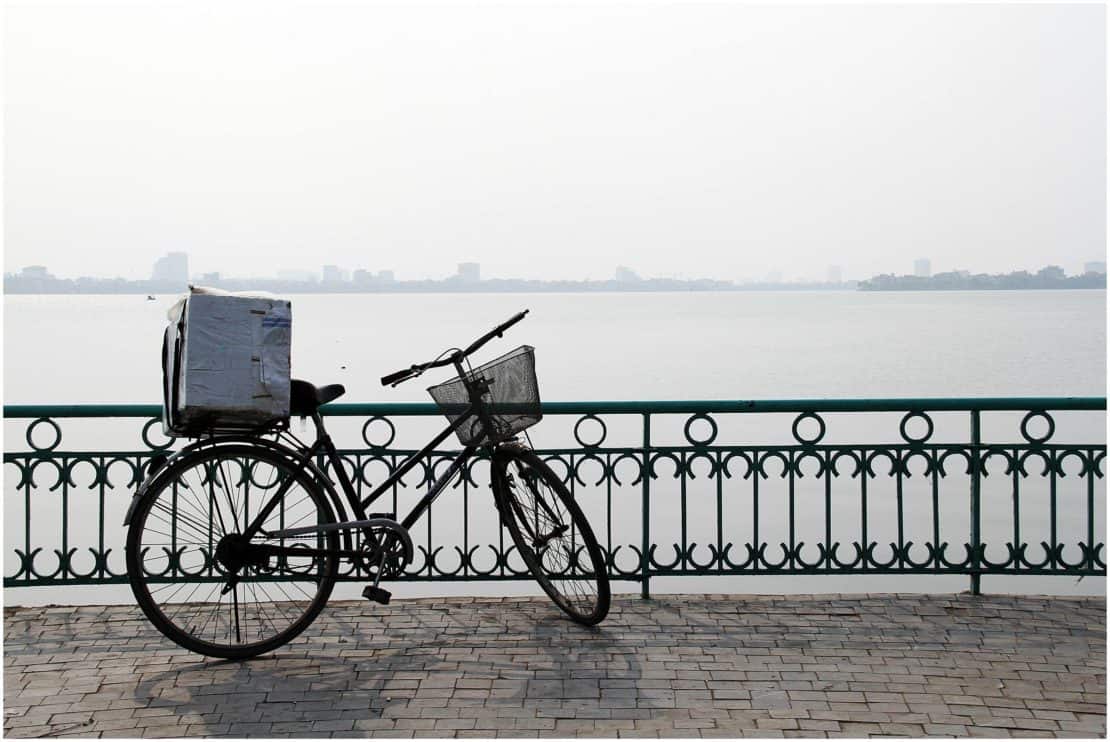
Renting a motorbike or bike can work in smaller cities and Da Nang, but in larger cities, stick to public transport or a ride-hailing service. It’s fun to rent a bike and cycle through the countryside, though.
A Few Words on Vietnamese Culture and Etiquette
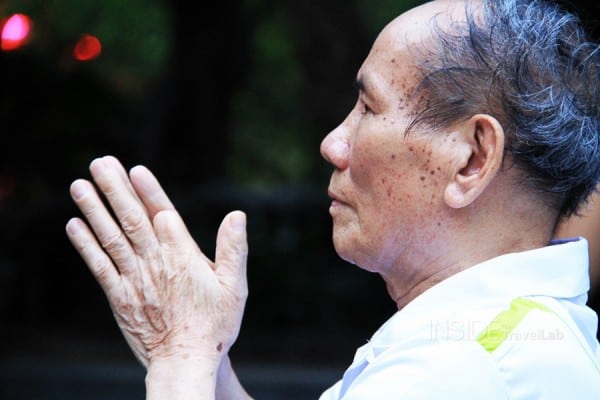
In general, as all these tips are, Vietnamese people are polite and warm, but conservative in certain contexts.
It’s always best to overprepare. Dress modestly at temples, which means covering knees, shoulders and cleavage. Remove shoes when indoors, and learn a few basic Vietnamese greetings.
Public behaviour tends to be more restrained than in many Western countries. Loud voices, overt displays of frustration, or public confrontation can cause discomfort. If something goes wrong, patience and a calm tone will take you much further than direct criticism.
Finally, small gestures matter. When handing over money, offering something with both hands is considered polite, particularly in more formal settings. A slight nod or smile often replaces overt displays of thanks.
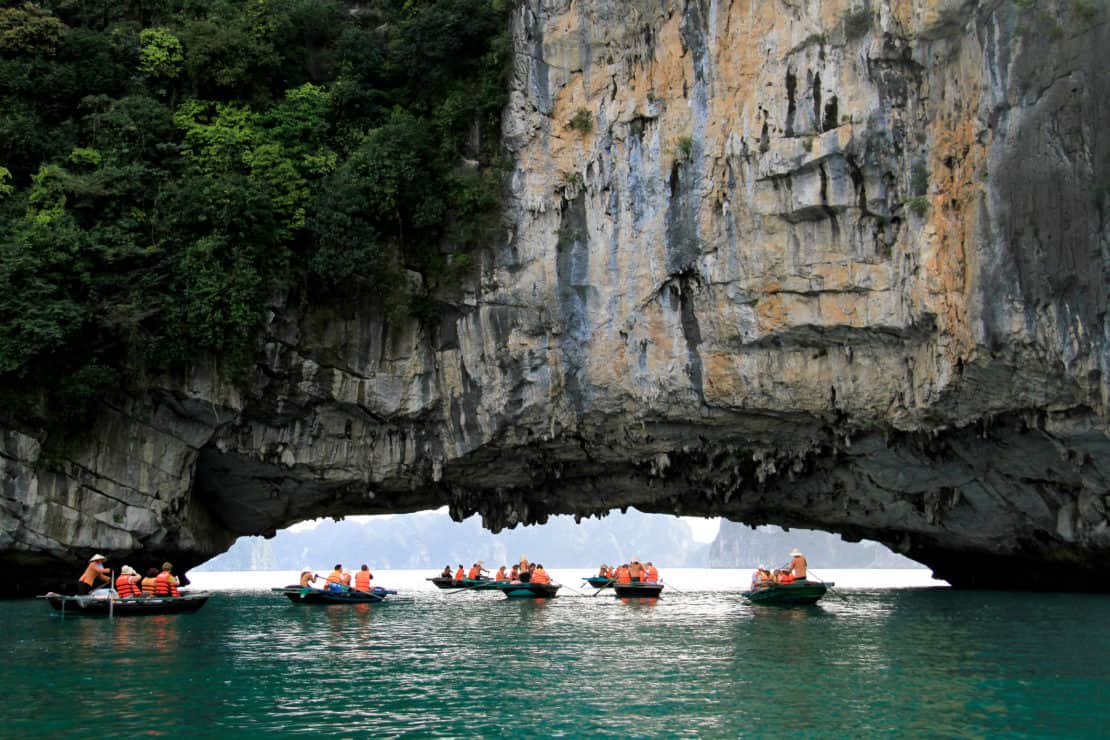
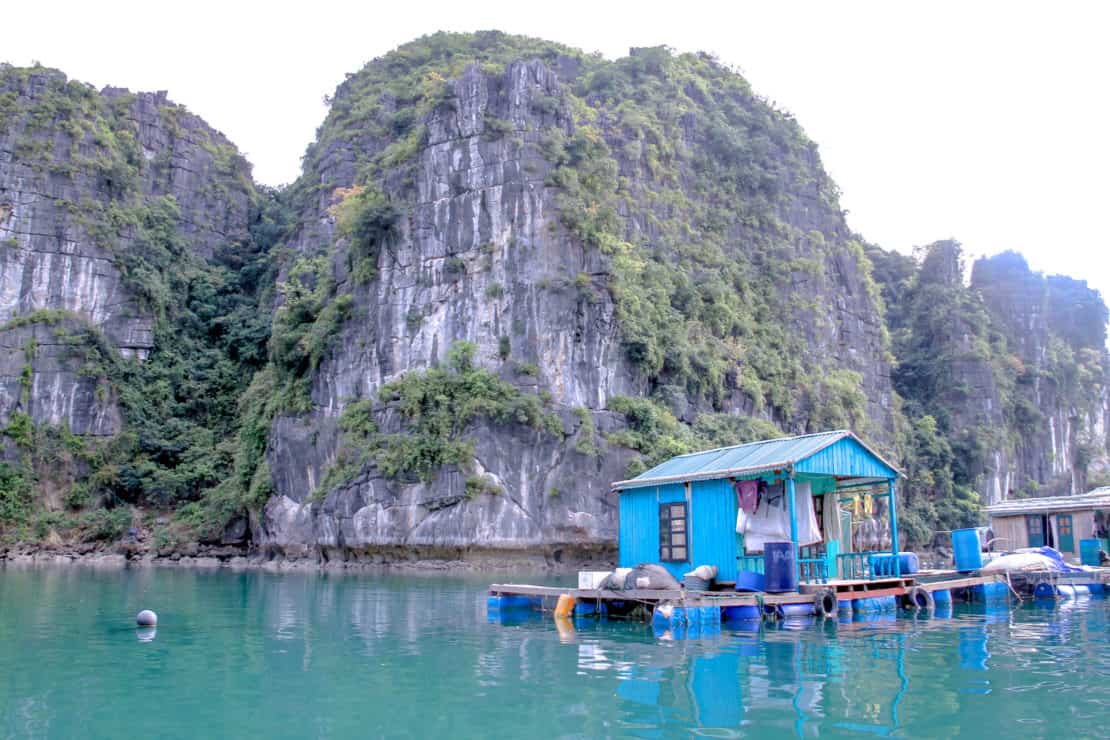
In the touristy parts, it won’t make much difference, but it can make the world of a difference when you’re out somewhere more remote, like this fishing village in Halong Bay.
Timing Your Trip
Vietnam doesn’t follow a single, neat seasonal pattern. Stretching over 1,000 miles from north to south, the country experiences multiple weather systems at once, which means the best time to go depends very much on where you’re headed.
In the north, around Hanoi and Halong Bay, winters (roughly December to February) can be surprisingly cool, grey, and misty. This can lend a certain atmosphere to those limestone karst landscapes – but it’s not the time for clear blue skies. Spring (March to April) tends to be milder and more pleasant, while summer (May to August) brings heat, humidity, and sudden downpours.
Central Vietnam, including places like Da Nang and Hoi An, has its own rhythm. The dry season usually runs from February to August, with high temperatures building through the summer months. From around September to November, this region is more prone to heavy rain and occasional typhoons, which can disrupt travel plans.
In the south, including Ho Chi Minh City and the Mekong Delta, the climate is more consistent. It’s warm year-round, with a dry season from December to April and a wetter period in Autumn from May to November. Rain during the wet season often arrives in short, sharp bursts rather than all-day downpours, so it rarely derails an entire day.
And, a heads up! Look out for Tet or Lunar New Year, usually falling between late January and early February. It’s a fascinating cultural moment, with families gathering, cities decorated, and a strong sense of celebration. However, it also means transport fills up, many businesses close, and prices can rise. You have been warned!
Get Your Paperwork in Shape
Do you need a visa? I did and it was trickier to arrange than to many other places. Many travellers need a visa to enter Vietnam, though depending on nationality there are sometimes visa exemption arrangements.
Start early with this and remember to leave copies of your passport and visa with someone at home you trust.
The Ultimate Vietnam Travel Tips
Hopefully, that covered the most important things to know before visiting Vietnam, but let me know if any others come to mind!
| Category | Essentials |
|---|---|
| Tech & Connectivity | Local SIM or eSIM, Grab app, offline maps |
| Money | Vietnam’s currency (Vietnamese dong), carry cash, cash is king outside big cities |
| Money Tips | Exchange USD for dong with crisp bills, check ATM fees |
| Health & Safety | Travel insurance, recommended vaccines, bottled water |
| Food | Choose busy stalls, avoid drinking tap water, be cautious with iced drinks |
| Transport | Buses & trains, overnight train for long hauls, domestic flights in Vietnam for quick travel |
| Etiquette | Dress modestly at temples, shoes off where required, polite bargaining |
| Visa | Check if you need a visa to enter, possible visa exemption depending on nationality |
| Streets | Walk steadily when crossing the road, traffic has a rhythm |
| Culture | Learn basic Vietnamese, respect local norms |