Discover the best wildlife experiences in Sri Lanka, from rare leopard sightings to encounters with elephants.
The Reality of Wildlife in Sri Lanka
Let’s start with a fairly unremarkable drive along the roads of the teardrop island.
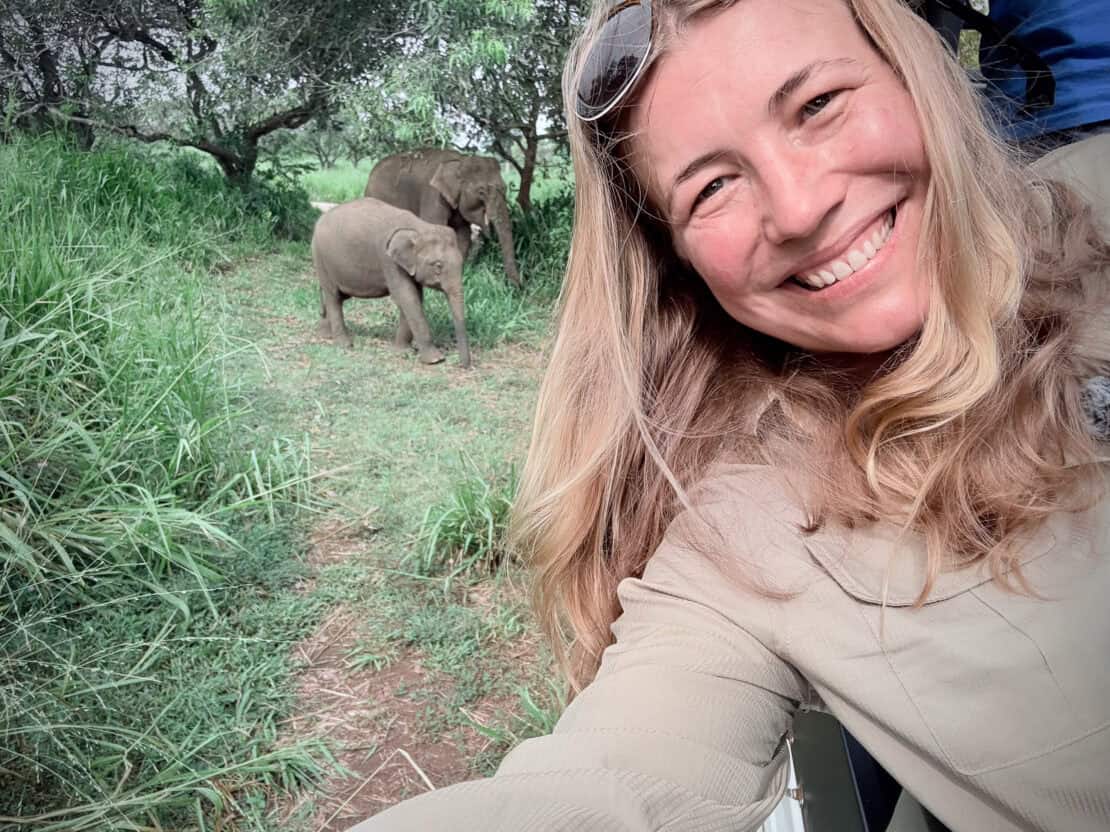
Elephants. Elephants ahead. To the side, then behind.
Now, sure, this didn’t take place in the glittering high rise capital of Colombo. But, from the look of the Sri Lankans beside me, it certainly wasn’t an unusual experience.
Sri Lanka is one of the best places in the world to see wildlife. Despite its relatively small size, the island contains an extraordinary diversity of habitats, from dry forests and wetlands to rainforest and ocean. That means a single trip can include everything from elephant safaris and leopard tracking to whale watching and birding.
The Best Wildlife Experiences in Sri Lanka: Where to Start
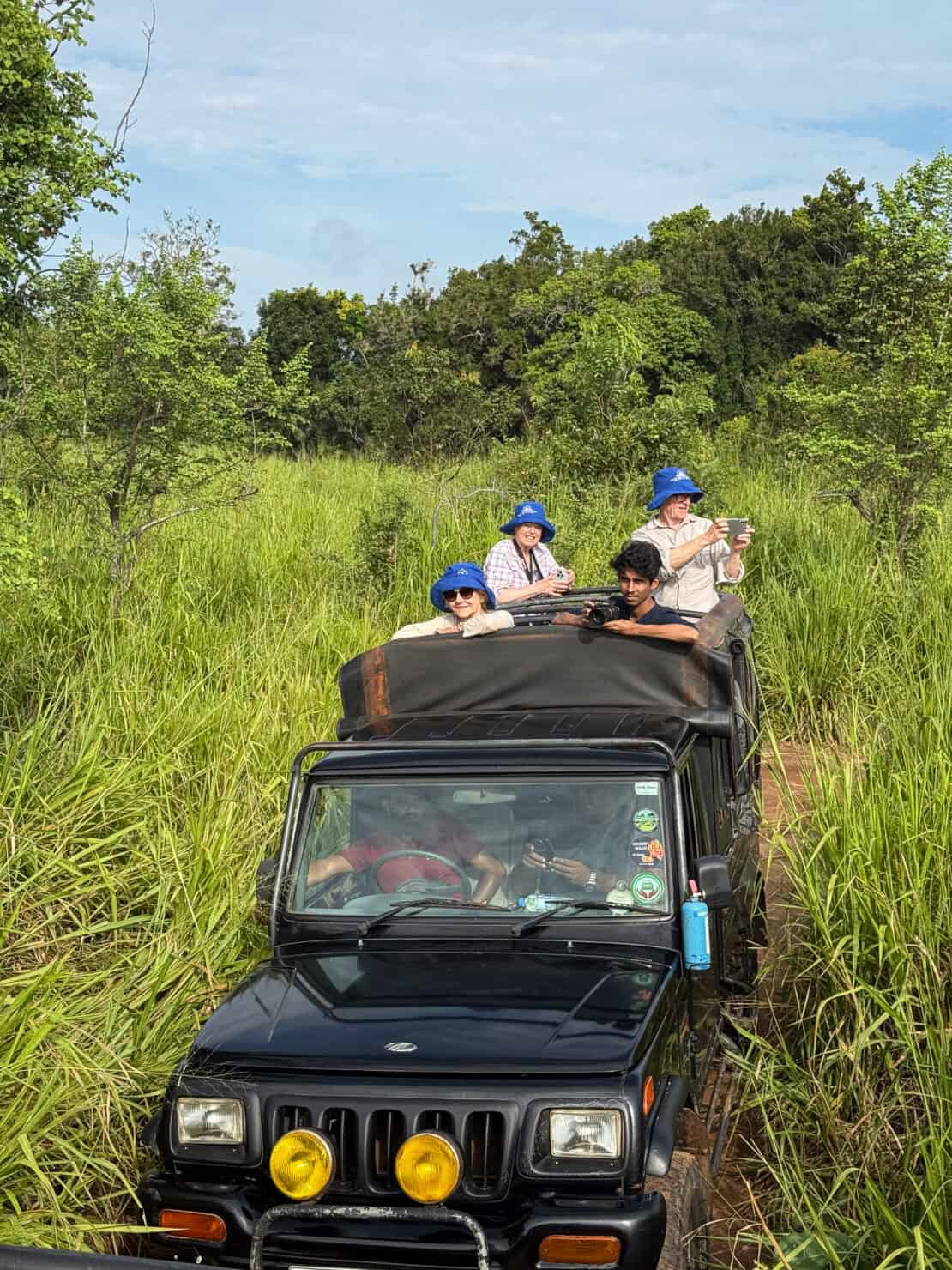
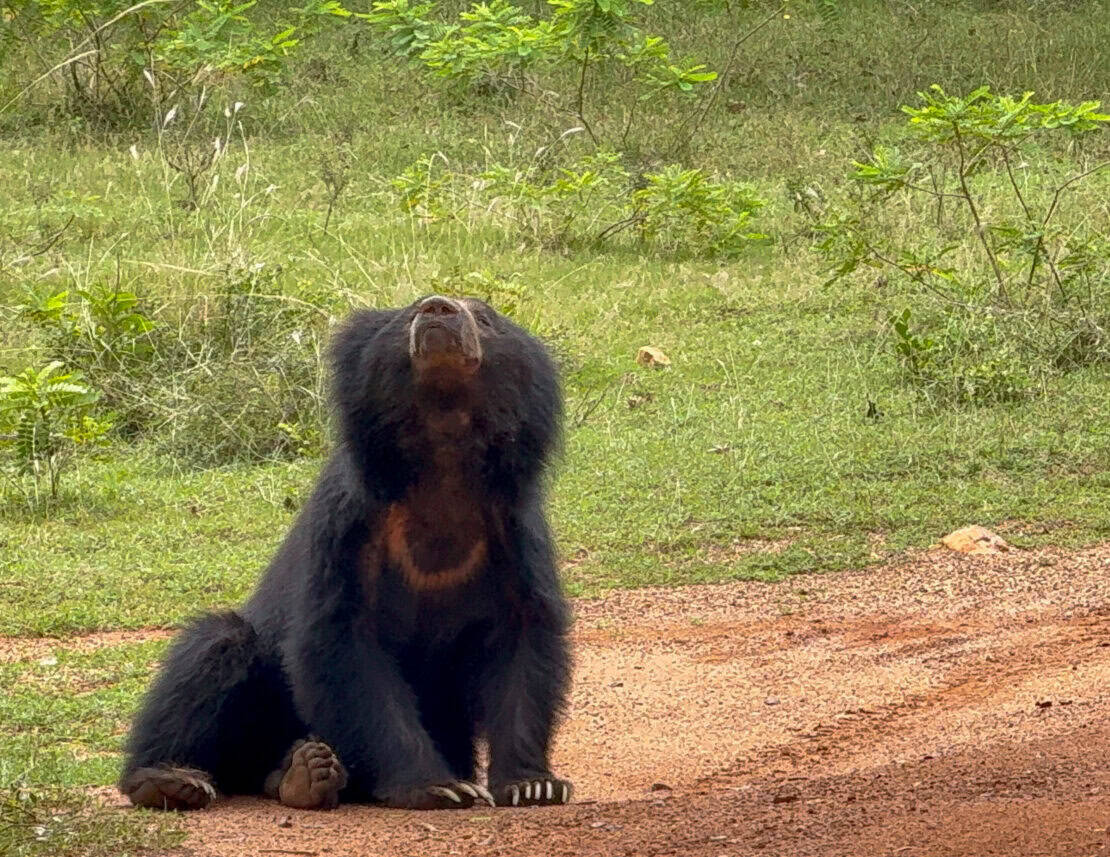
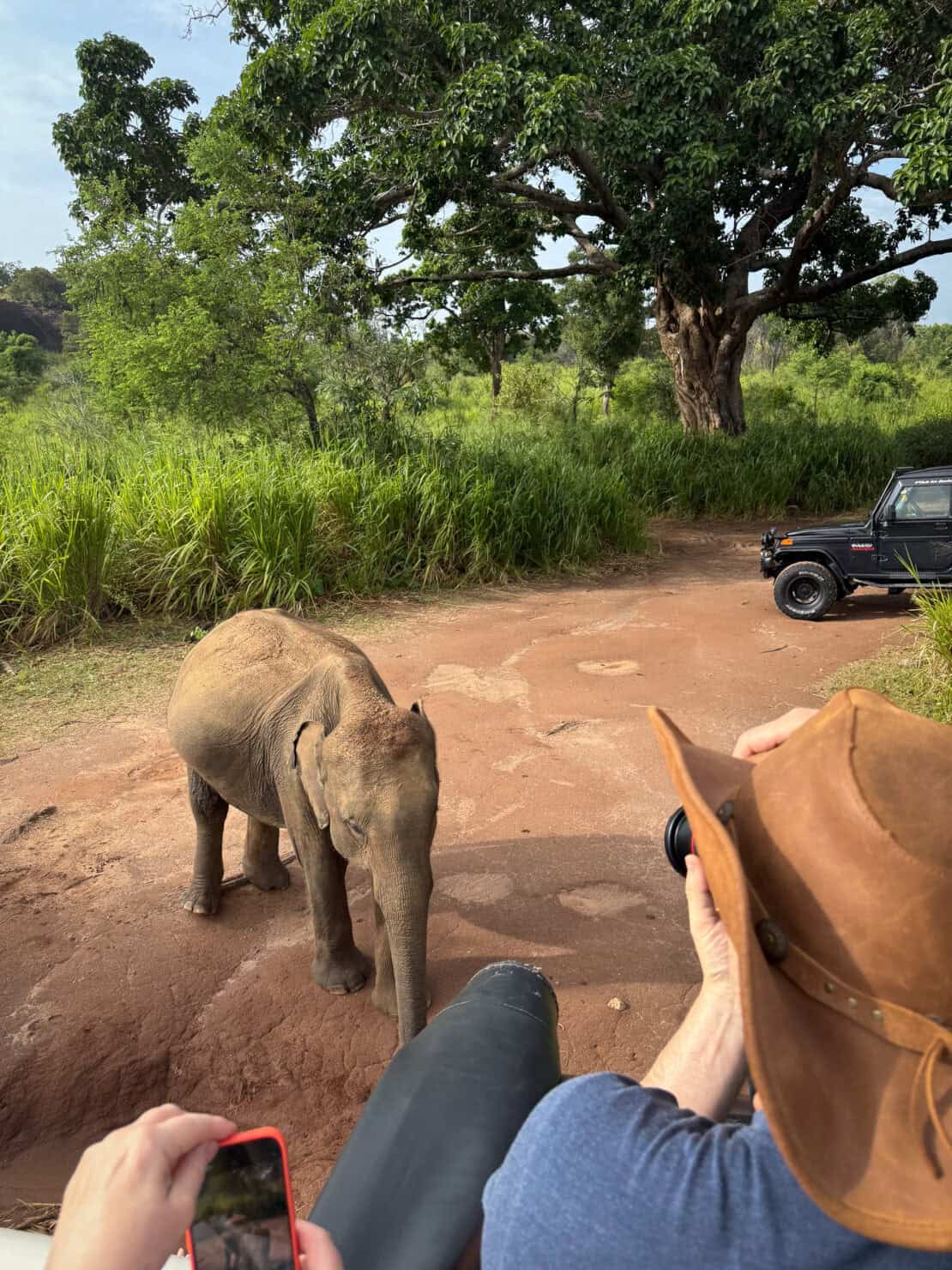
Before visiting, I’d heard plenty about famous wildlife sightings in Yala National Park and the huge elephant gatherings around Minneriya. My own wildlife experience turned out a little differently. In Hurulu Eco Park near Sigiriya, elephants emerged from the forest as dusk settled over the landscape. Later, in Wilpattu National Park, we spent a good half hour watching the natural performance of a shaggy sloth bear, while others scooped up the ultimate prize: a leopard sighting.
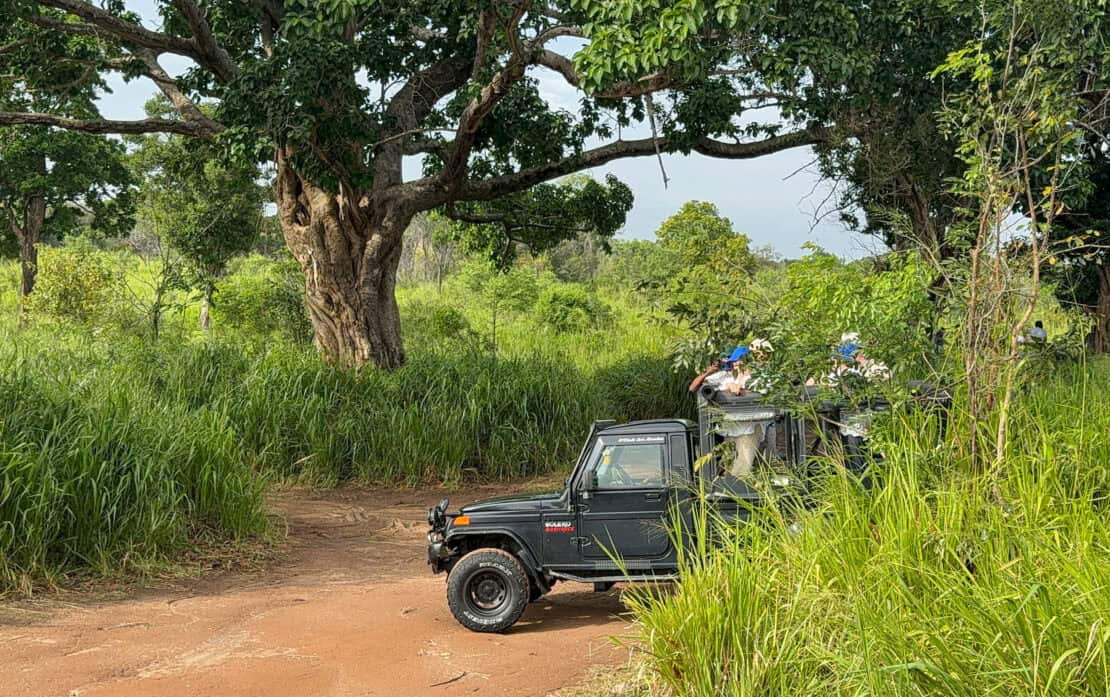
While you can put together wildlife safaris yourself, the need for permits and specialist driving skills make it less than ideal. This is one of the few times where I’d recommend teaming up with someone who knows what they’re doing. Companies like Wildfoot have years of experience in handling luxury wildlife holidays and handing over the logistics to them can shortcut the chances of success.
But before you do that, you do need to have an idea of what you want and what to ask.
So, whether you’re planning a dedicated wildlife trip to Sri Lanka or simply want to add a safari to a more culture-focused trip, here’s where to find the island’s most exciting wildlife encounters.
The Best National Parks in Sri Lanka for Seeing Elephants
It’s a coin toss between leopards and elephants as to who gets the top spot on people’s wish lists.
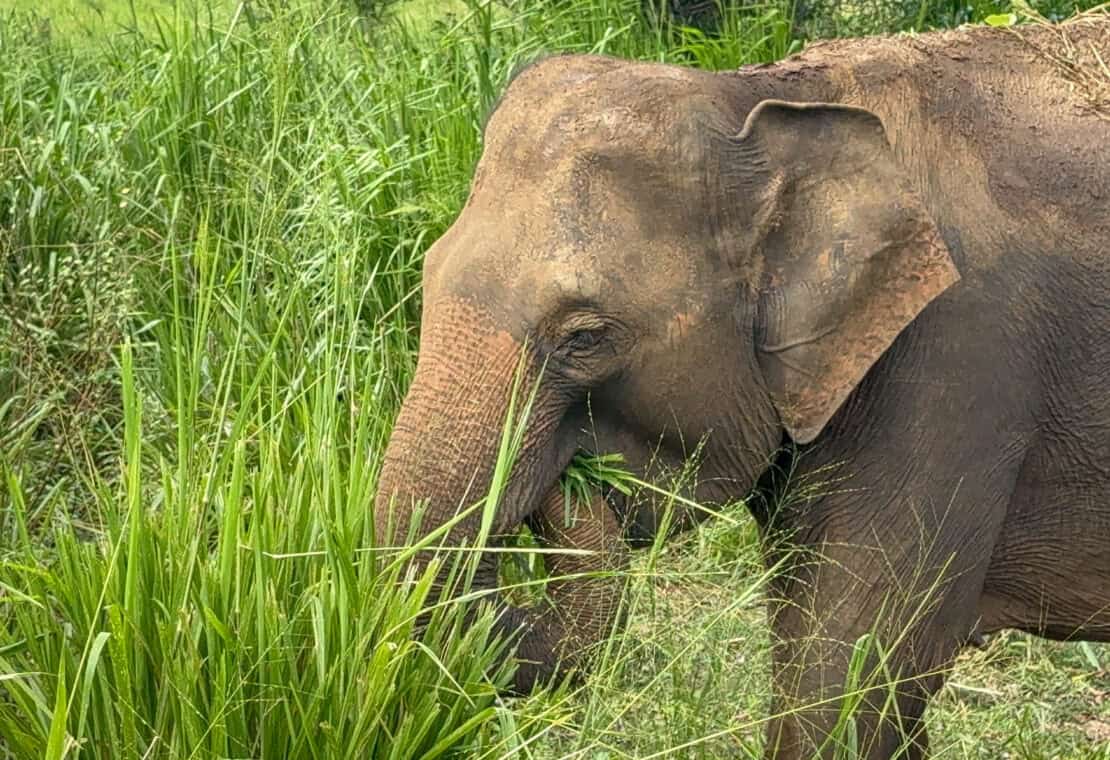
For many people it’s elephants. And why not? They’re majestic, they’re cute, they’re quirky. And, fortunately, Sri Lanka is one of the best countries in Asia for elephant viewing, with healthy populations spread across many national parks.
Minneriya National Park and the Parks Around Sigiriya
If your itinerary includes Sigiriya and climbing the iconic rock there, you’ll be perfectly placed to enjoy one of Sri Lanka’s best wildlife experiences.
Minneriya National Park is famous for “The Gathering,” a seasonal event during which hundreds of Sri Lankan elephants congregate around the reservoir during the dry season.
However, Minneriya is only part of the story.
The surrounding protected areas of Kaudulla National Park and Hurulu Eco Park form part of the same ecosystem. Elephant movements vary throughout the year depending on rainfall and food availability, so local guides often decide which park offers the best wildlife spotting opportunities on any given day.
My own safari took place in Hurulu rather than Minneriya National Park. As the heat of the day faded, elephants appeared among the trees and slowly moved across the dusty landscape. It was a quieter experience than some of Sri Lanka’s more famous safari destinations – and, let’s face it, all the better for it.
Why This is One of the Best Wildlife Experiences in Sri Lanka
- Excellent chance to see elephants in the wild
- Convenient access from Sigiriya
- Suitable for families
- Rich birdlife and other wildlife species
- Beautiful landscapes that combine forest, grassland and reservoirs
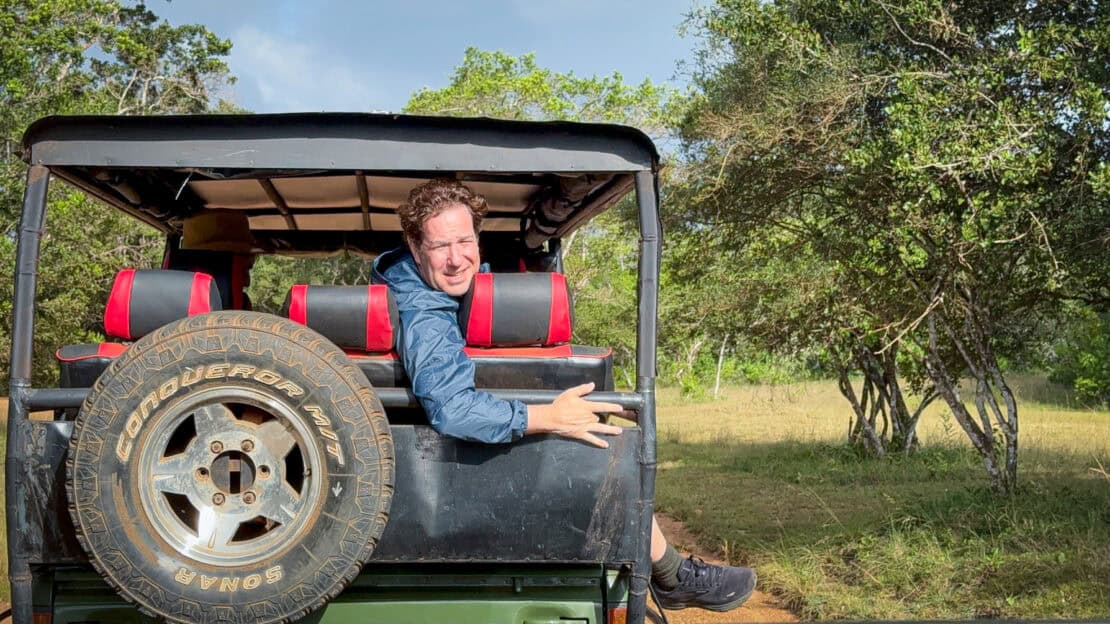
Yala National Park: The Classic Sri Lanka Safari
Located on Sri Lanka’s southeast coast, Yala is arguably the country’s most famous national park and one of the best places to see leopards anywhere in Asia.
A typical safari in Yala may also include elephants, crocodiles, water buffalo, monkeys and an impressive range of birdlife. The landscape itself is striking, with rocky outcrops, scrubland and lagoons creating varied habitats for wildlife.
However, with popularity comes crowding, so if that’s not your thing, you may want to skip it.
Wilpattu National Park: A Wilder Safari Experience
If Yala is Sri Lanka’s most famous national park, Wilpattu is often considered its most atmospheric.
As the largest national park in Sri Lanka, Wilpattu feels noticeably more remote. The park takes its name from its distinctive “villus” – the natural lakes scattered throughout the forest. And the way the early morning light shimmers on those lakes with the pink birds shuffling their feathers is simply glorious.
Like Yala, Wilpattu has leopards. But it is also one of the best places to spot the elusive sloth bear, of the sort that made me suddenly realise why cuddly teddy bears are a thing (as opposed to the deadly grizzly.)
Why Choose Wilpattu?
- Fewer vehicles than Yala
- Excellent wildlife viewing
- Opportunities to see leopards and sloth bears
- A strong sense of wilderness
- One of the best parks for photographers
Visiting from Jaffna? Here are the best things to do in Sri Lanka’s northern capital.
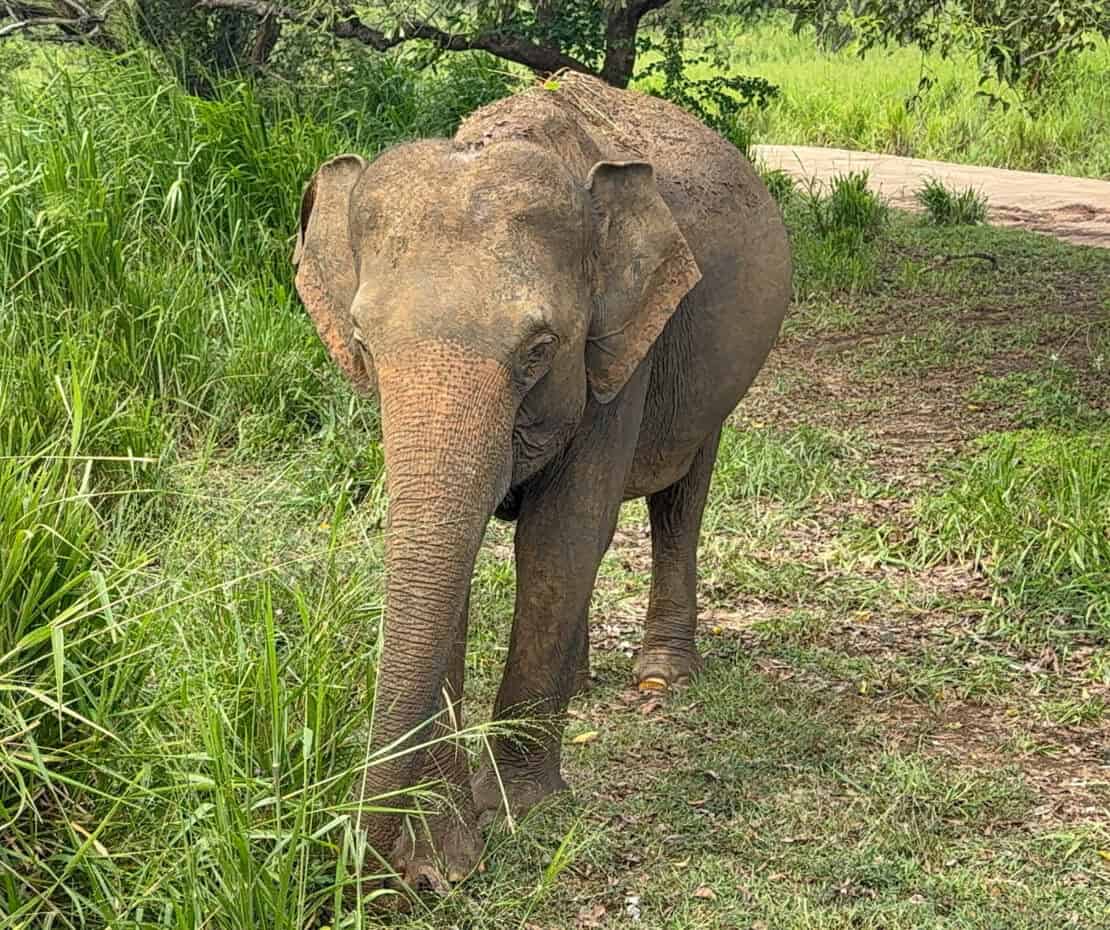
Udawalawe National Park: The Best Place to See Elephants Year-Round
Unlike some other national parks in Sri Lanka where wildlife sightings depend heavily on migration and rainfall, Udawalawe offers more consistent viewing. The open terrain makes it easier to spot animals, and herds of Sri Lankan elephants are often visible at close range.
Why Udawalawe Stands Out
- One of the most reliable elephant safari experiences in Sri Lanka
- Open grassland makes wildlife spotting easier than in forested parks
- Frequent sightings of crocodile, water buffalo and birdlife
- Less crowded than Yala National Park at peak times
It’s quite easy to combine Yala and Udawalawe into a single itinerary, creating a balanced Sri Lanka safari that includes both leopards and elephants (if nature agrees, obviously.)
Bundala National Park: Wetlands, Birdlife and Coastal Wildlife
On Sri Lanka’s southern coastline lies Bundala National Park, a UNESCO Biosphere Reserve and one of the most important wetland habitats in the country.
This is a place for birdwatching, lagoons and quiet wildlife encounters.
What You Might See
- Flamingos and migratory birds
- Crocodiles in the lagoons
- Water buffalo and smaller mammals
- Seasonal variation in birdlife
Kumana National Park: Sri Lanka’s Southeast Wilderness
Further along the southeast coast lies Kumana National Park, a quieter alternative to Yala and one of the best national parks in Sri Lanka for birdlife.
It is particularly known for seasonal bird migrations and wetland ecosystems.
Why Visit Kumana
- Fewer crowds than more popular parks
- Excellent birdwatching opportunities
- Coastal wetland landscapes
- Occasional elephant and leopard sightings
Gal Oya National Park: Sri Lanka’s Only Boat Safari
Unlike traditional jeep safaris, Gal Oya allows you to explore by water, moving across reservoirs surrounded by forested hills. It is one of the few places in Asia where you may see elephants swimming between islands.
What Makes Gal Oya Special
- The only boat safari experience in Sri Lanka
- Chance to see elephants crossing water
- Crocodiles, waterbirds and forest wildlife
- Very few crowds compared to other national parks
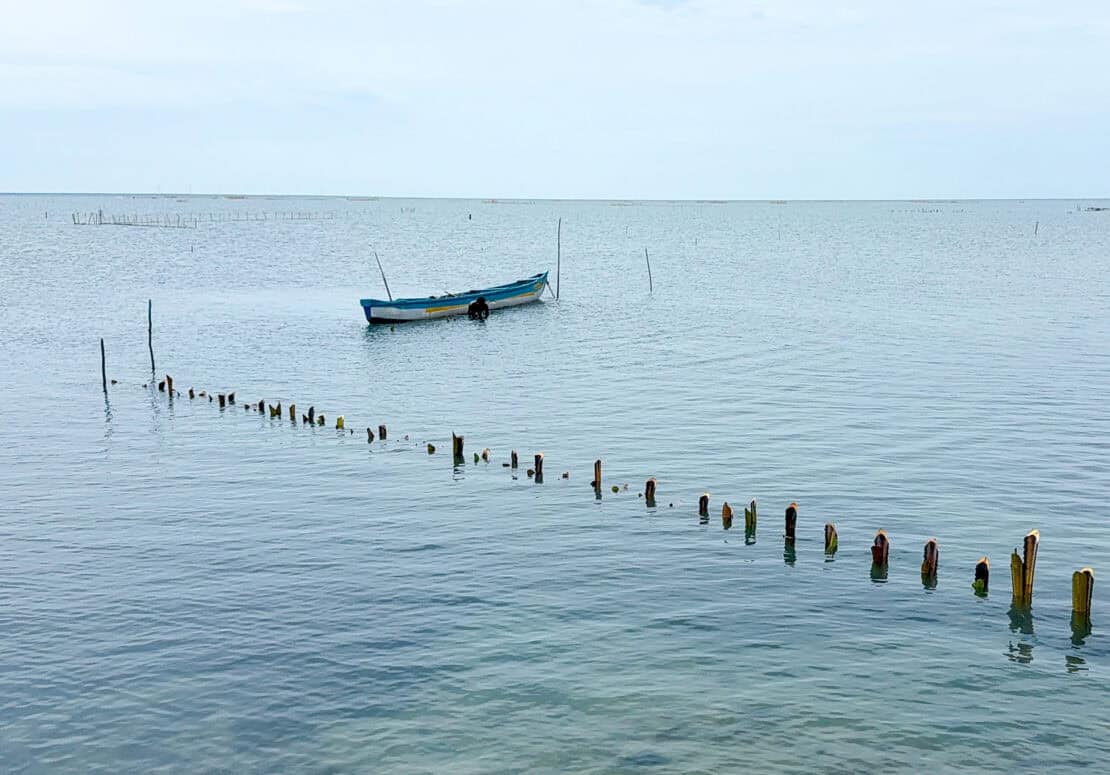
Marine Wildlife in Sri Lanka: Whales, Dolphins and Turtles
I still inwardly weep at the fact that poor weather meant we couldn’t take part in our marine safari when we were there.
Because Sri Lanka is not only about terrestrial wildlife: the surrounding ocean is said to offer some of the best marine wildlife experiences in Asia.
Whale Watching on the South Coast
From Mirissa and surrounding coastal towns, you have the chance to spot the big one. The blue whale – the largest animal on earth. Having seen humpback whales breach on the shores of Mauritius, I find it hard to imagine how mind blowing it would be to see this giant monster of the deep. But I’d like to find out!
East Coast Alternatives
On Sri Lanka’s east coast, Trincomalee offers another whale watching base during different months of the year. So, make sure to plan your itinerary according to the season.
Best Time to Visit Sri Lanka for Wildlife
Timing can significantly affect wildlife sightings in Sri Lanka. Different national parks and marine areas are best at different times of year.
| Experience | Best time to visit Sri Lanka |
|---|---|
| Yala leopard safaris | February – July |
| Minneriya elephant gatherings | July – October |
| Udawalawe elephants | Year-round |
| Whale watching (south coast) | December – April |
| Whale watching (east coast) | May – October |
| Birdwatching | November – April |
Suggested Sri Lanka Wildlife Itinerary
Again, I’d really stress planning this with an experienced guide. But to give you a basic idea, a simple route might include:
- Sigiriya region (Minneriya / Kaudulla / Hurulu) for elephants
- Yala or Wilpattu for leopard safaris
- Udawalawe for reliable elephant encounters
- South coast for whale watching
Ethical Wildlife Watching in Sri Lanka
Unless you’re brand new to www.insidethetravellab.com you’ll know that responsible tourism is always a top priority. And as wildlife tourism grows, responsible travel choices matter more than ever.
Key principles
- Avoid captive elephant rides or performances
- Maintain respectful distances from animals
- Do not encourage crowding around wildlife sightings
- Support conservation-focused experiences where possible
- Listen to your safari guide at all times!
- Where possible, travel with ethical safari companies. I know this is easier said than done but look for and ask about the points above to get started.
More About Sri Lanka and India
- Mysore food: the 12 dishes you need to know in southern India
- How Mysore Palace history surprises everyone who visits
- The dark side of traditional arts and crafts in Sri Lanka
- How to climb Sigiriya Rock in Sri Lanka
- The best things to do in Jaffna
- The Sri Lankan Airlines Business Class review