Let our guide to planning a multi-country trip around Europe lead you to an unforgettable trip.
A Multi-Country Trip Around Europe: Is it a Good Idea?
Europe is almost designed for a multi-country trip.
In the space of a few hours, you can leave the cafés of Paris behind, cross the Alps and find yourself beside an Italian lake. A morning train can take you from Vienna to Bratislava; an overnight ferry can change the feel of a journey entirely; and a short flight can transport you from icy slopes in northern Europe to the balmier shores of the Mediterranean.
I’ve tried them all: road trips, rail odysseys, island hopping, river cruising, sea cruising, flying and putting them all together. I’ve also embraced slow travel, spending weeks (or in some cases years) in just one country at a time.
And as with most things in life, how you do it makes the difference. I’ve had highs, I’ve had lows. And these are the lessons I’ve learned about trips in Europe that take in multiple countries.
How To See the Best of Europe
The temptation is to begin with a list and then try to work out how to squeeze it all in.
I’d suggest doing the opposite.
Think first about what you want the trip to feel like.
Perhaps you want:
- Elegant European cities and excellent food
- Mountains and lakes
- Mediterranean beaches
- Art, architecture and history
- Wine regions and long lunches
- A mixture of cities and countryside
- A family-friendly summer adventure
- A slower journey by train
- A grand tour of Europe’s great capitals
Once you know the shape of the holiday, the countries become much easier to choose.
For example, a trip built around food, art and architecture might link Paris, Lyon, Turin, Bologna and Florence.
A mountains and lakes itinerary could travel through Switzerland, Austria and northern Italy.
For Mediterranean Europe, you could create a route linking Barcelona, the south of France, Liguria and Tuscany.
And if this is your first substantial trip around Europe, you don’t necessarily need to tick off half the continent. Four countries explored properly can be far more rewarding than eight experienced mainly from railway platforms.
Take Care of the Boring but Important Things First
Make sure you have the correct paperwork, including passports and visas. Revise who is in and who is out of the Schengen Area here so that you know whether you need an ETIAS or an ETA Both are fairly new at the time of writing, find our guide to the ETIAS here and the ETA here.
Make sure you have enough prescription medication for your entire trip, plus paperwork to support it if necessary, and take out the appropriate travel insurance.
And think about buying an eSIM for Europe travel to avoid substantial roaming charges as you cross into different countries.
How Many Days in Europe do You Have?
As a rough guide:
- One week: choose two countries, or perhaps three very closely connected destinations.
- Two weeks: three or four countries can work well.
- Three weeks: four to six countries is possible, provided the route is efficient.
- One month or more: you have much more flexibility, although I’d still resist the urge to add destinations simply because you can.
Remember that every move takes longer than the journey itself.
A two-hour train journey isn’t necessarily a two-hour endeavour. You have to pack, check out, reach the station, find the right platform, travel, reach your new accommodation, check in and get your bearings.
And that’s before something goes wrong.
I usually think of a travel day as a half-day, even when the actual transport takes considerably less time.
Choose a Logical Route
This is probably the most important part of planning a multi-country European trip.
Look at a map.
Then look at it again.
You want to create a route that broadly moves in one direction rather than zig-zagging across the continent. The biggest mistake I see people make when it comes to heading to Europe for the first time is following their travel bucket list instead of checking in with reality.
The Classic Mistake
Paris → Rome → Amsterdam → Barcelona → Vienna → Paris
It looks exciting on paper.
In reality, you’ll spend an enormous amount of time getting from one place to another and give up the will to live.
A Better Approach
Try something like:
- Paris → Switzerland → Northern Italy → Florence → Rome
or:
- Amsterdam → Brussels → Paris → Lyon → Provence
or:
- Vienna → Bratislava → Budapest → Ljubljana → Venice
A Top Trick
Why reinvent the wheel?
Check out tried and tested itineraries from cruise trips and tour operators, even if you’re not going to use them. These countries know they need to keep their customers happy, so they tend not to cram too much into an itinerary and they know the best routes between places.
And, ahem, this humble website has plenty of Europe trip itineraries for you. I’ll share the links for different European regions as we get to them.
Arrange flights strategically
One useful trick is to fly into one city and home from another.
This is often called an open-jaw or multi-city flight.
Instead of flying London → Paris and Paris → London, for example, you might fly London → Paris and Rome → London, allowing your overland journey to connect the two.
Just be careful on road trips, as you usually need to pay a whole lot more to drop off a rental car in a different country to the one you picked it up in.
Make the Most of Natural Clusters and Pre-Designed Itineraries
Some places just work well together, like a salty roquefort and a sweet sauternes. For your next grand European tour, consider
France, Switzerland and Northern Italy
One of the easiest combinations for a first multi-country trip and absolutely excellent by train.
You could travel from Paris towards the Swiss Alps before continuing into Milan, Lake Como or Turin.
Austria, Czechia, Slovakia and Hungary
Connected by the magnificent Danube River, you can travel from Budapest to Passau, passing through historic cities, picturesque countryside and relatively easy rail connections. Here’s an itinerary along the Danube that you can work from.
Belgium, the Netherlands and Northern France
Excellent for a shorter trip, particularly if you enjoy art, architecture, food and historic cities.
Brussels, Bruges, Antwerp, Amsterdam and Paris have absurdly easy rail connections, plus the Eurostar can connect you to London as well.
Spain and Portugal
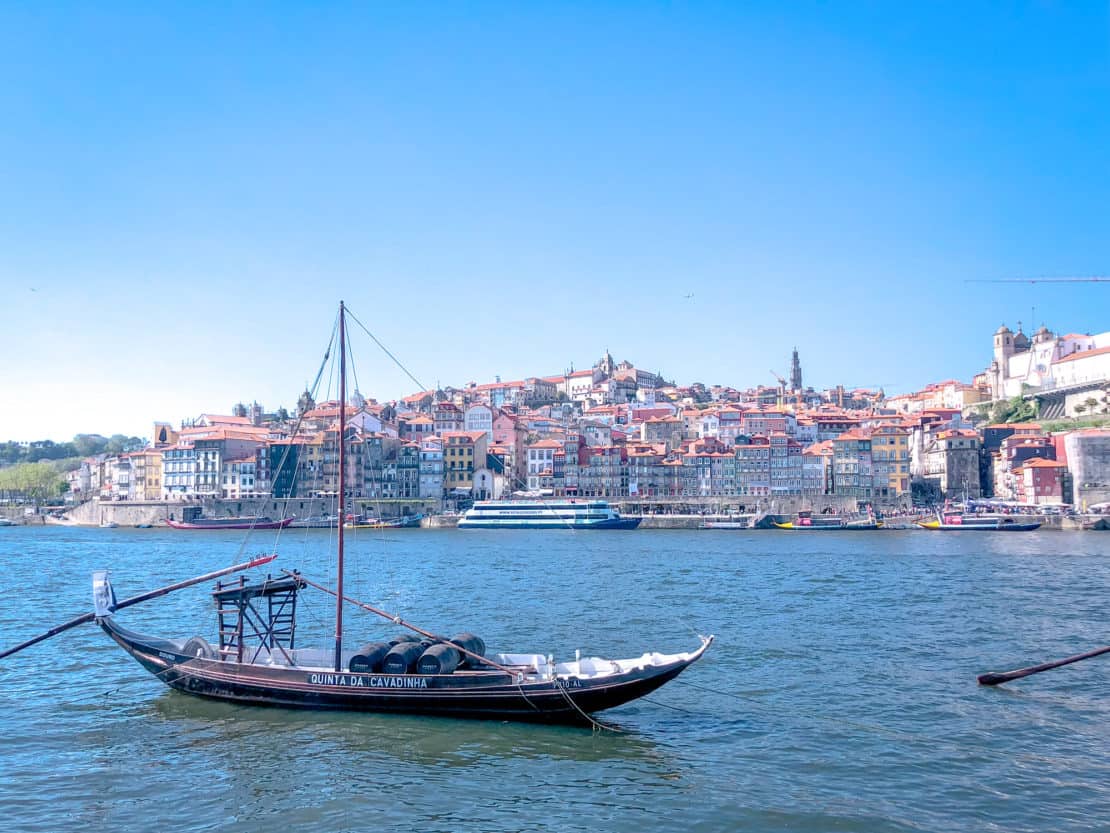
These work beautifully together but distances are greater than they look on a map. A trip combining Madrid, Seville, Lisbon and Porto needs more time than you might initially expect. I’ve worked out a lovely detailed itinerary for Spain and Portugal here that remains one of my favourite multi-country trips in Europe.
Italy, Germany and Austria
I hold a special place in my heart for the rail route that passes from Munich to Venice and on to Florence and Rome. It’s surely one of the most spectacular in the world for natural scenery. Plus, it’s quite something to take in both the Colosseum, the Grand Canal and the Nuremberg Rally Grounds in one trip.
Switzerland and Austria
I’m highlighting these two because their rail systems are so good and their mountains so beautiful, it’s almost criminal to miss them. Summer sees sparkling lakes, winter sees icicles and snowy slopes and the cities of Geneva, Vienna and Graz are worth visiting all year round.
Decide Whether to Travel by Train, Car, Plane or a Mixture
For many European trips, the train is the obvious starting point.
Europe has an extensive international rail network, and rail travel can turn the journey itself into part of the holiday. Interrail currently covers 33 countries, with both flexible and more structured pass options available.
But don’t assume a rail pass is automatically cheaper.
If you have the time, energy and organisation, compare the cost of:
- Individual train tickets
- A rail pass
- Seat reservations
- First versus second class
- Luggage
- Alternative transport
High-speed and night trains can require additional reservations even when you’re travelling with a rail pass (especially in Italy – I learned this the hard way.)
And this handy website from Deutsch Bahn makes checking timetables easy.
When Trains Work Best
Choose trains when:
- The rail routes make sense
- You want to see the landscape as you pass through
- You want time in cities, rather than roaming through nature
- You’re travelling fairly light (I wouldn’t recommend a long rail trip with a baby because of the amount of gear you’ll be hauling around)
- The journey itself is part of the experience
When Flying Makes Sense
Flights can still be useful when crossing large distances (and you’ve basically ignored most of the advice in this article!)
For example, if your itinerary combines Portugal and Greece, forcing the entire journey overland may not be the most enjoyable use of your time.
When Driving Makes Sense
Road tripping is not the obvious solution in many countries in Europe. Unlike the US, many city centres are not designed for cars. Roads can be fiendishly narrow, parking scarce, traffic enraging and moving a rental car from country to country comes with tricky tolls and paperwork problems.
That said, many rural places need a car.
So, I’d recommend road tripping within Europe if:
- Your travel planning allows for you to drop off the car in the same place you picked it up
- You have a lot of luggage or are travelling with young children
- You are more interested in seeing natural wonders than city centres
You can find my ultimate road trip planning guide here.
When it Makes Sense to Travel by Water
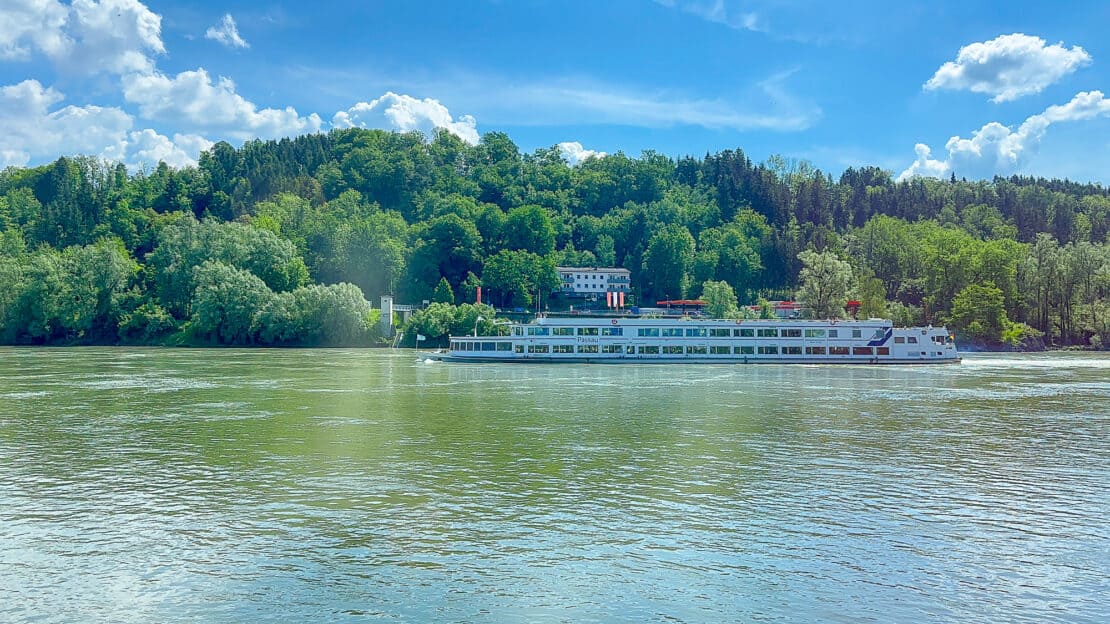
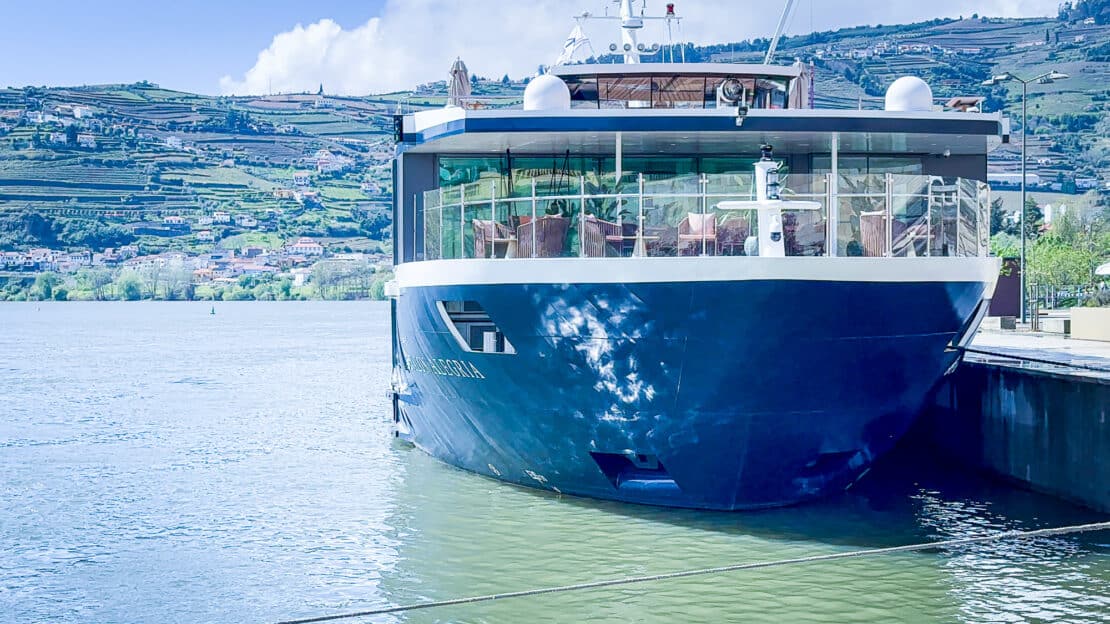
Greece is made for island hopping and you can either charter your own yacht or make use of the frequent ferries. River cruising is an often overlooked way to arrange a seamless multi-country tour. Unlike the ocean cruises, river cruises tend to dock right in the heart of a city. Ships are small and there’s no queue to disembark. Plus, the help on offer on board makes it perfect for you if it’s your first trip to Europe and you’re feeling a little overwhelmed.
I’d highly recommend a river cruise along the Douro or Danube rivers and have my sights set on the Rhine as well.
For ocean cruises, you need to be a bit more careful. Some ports are far from the cities whose name they carry, like Rome, whereas others make perfect sense.
The ocean cruises I’d recommend for travel to Europe include heading along the Norwegian coast to the Arctic or from Istanbul along the Turkish coast and Greek islands to Athens.
One other often overlooked advantage of ocean cruising is that you travel while you sleep and wake up somewhere new. With river cruises, most are not allowed to do this but you do still save the time taken to pack up and check in and out of each place you stay.
Work Out How Many Nights Each Destination Deserves
This is another area where many multi-country itineraries go wrong.
One night can easily sound like one day (bear with me here.)
But in practice, it may be an arrival afternoon, one evening, breakfast and departure, which means that you haven’t really visited the place.
For most major European cities, I’d aim for at least two or three nights in each stop.
Stay for longer if the city is particularly large or you’re using it as a base for day trips.
Build in Slow Days
This is perhaps the biggest difference between an enjoyable multi-country trip and an exhausting one.
Most people can’t handle moving every single day.
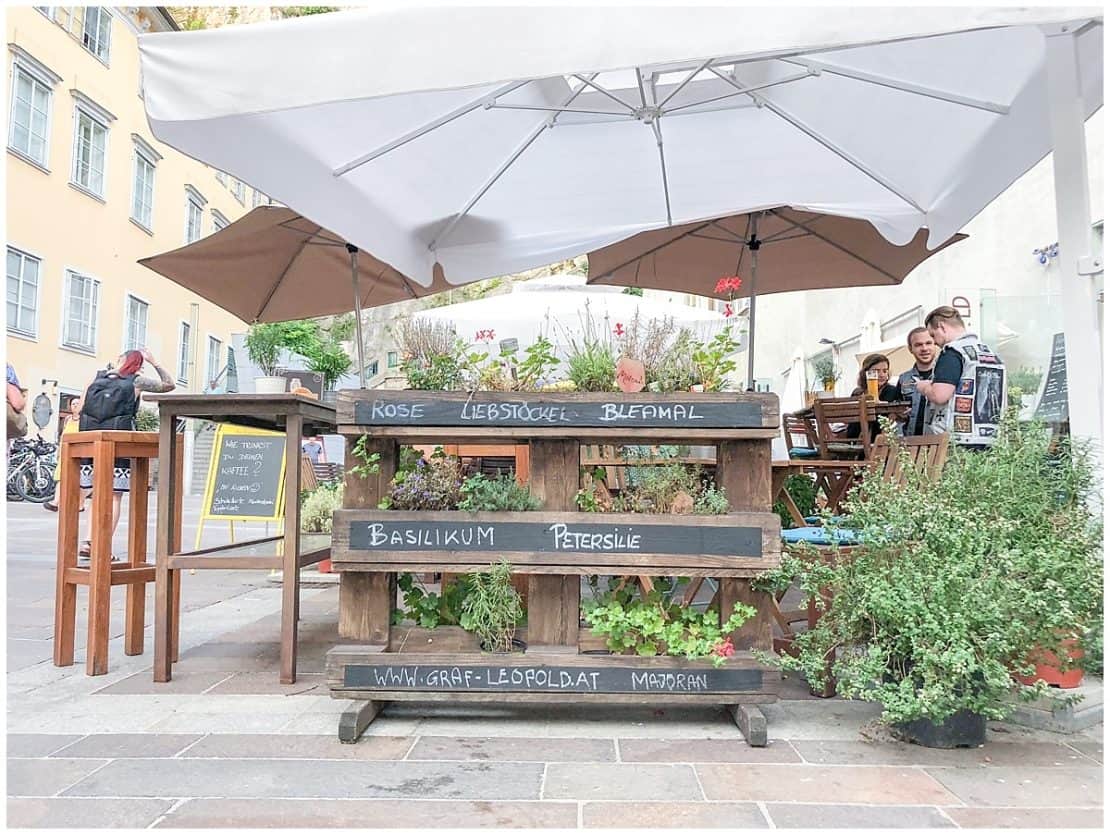
If you’ve spent four consecutive days exploring major cities, give yourself a morning with nowhere to be.
Empty spaces give the rest of the itinerary room to breathe.
And they give you some protection when a train is delayed, the weather changes or someone simply wakes up and announces that they absolutely cannot look at one more cathedral.
Think Carefully About Luggage
Multi-country travel exposes every flaw in your packing strategy.
The oversized suitcase that seemed perfectly reasonable on a direct flight suddenly has to navigate:
- Cobbled streets
- Railway stations
- Hotel stairs
- Underground systems
- Ferries
- Narrow pavements
- Occasional luggage racks that appear to have been designed for someone travelling with a toothbrush and nothing else.
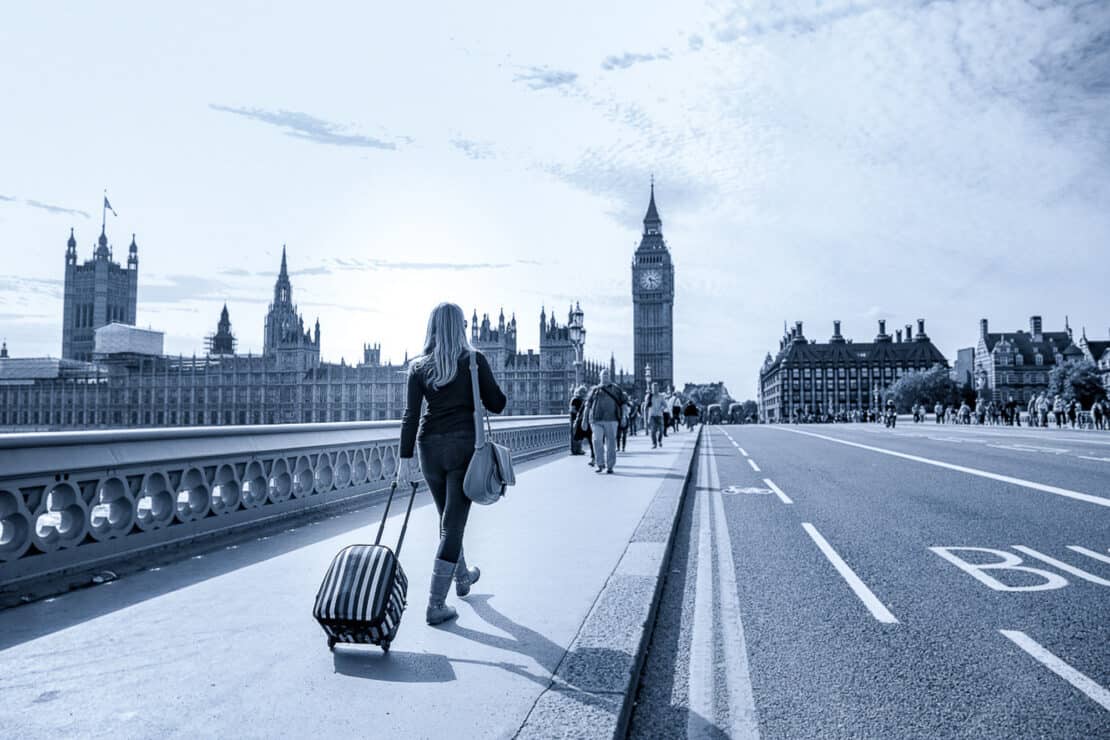
Pack light enough that you can manage your own luggage comfortably and be aware that wheeled suitcases are very jarring on cobbled streets!
For a longer European trip, I like the idea of a good-quality medium-sized suitcase or travel bag that can be lifted and manoeuvred easily. These are my top-picks for hand luggage for women.
Double Check the Calendar Before You Commit
Europe changes dramatically with the seasons.
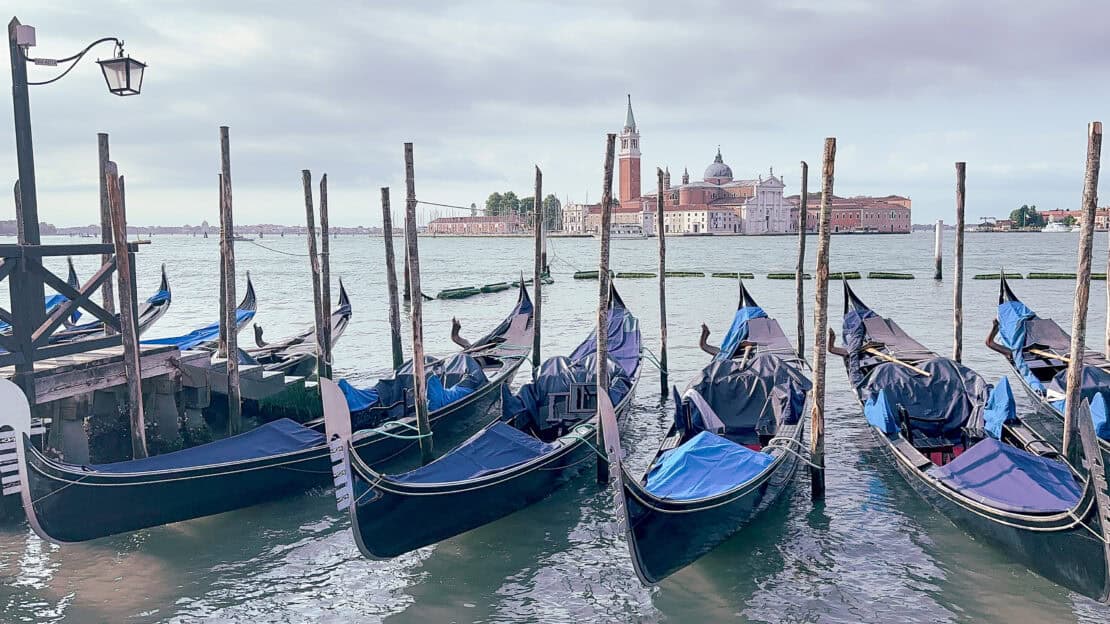
Venice in August is not the same experience as Venice in November.
Nor is the Swiss Alps in July anything like the same landscape in January.
Before booking, check:
- School holidays
- Public holidays
- Festivals
- Major sporting events
- Local celebrations
- Museum closures (for places you have your heart set on)
- Seasonal transport schedules (many Greek ferries stop running outside summer)
- Opening hours (many museums are closed on Monday and lots of restaurants shut down in August, even those near the Eiffel tower)
- Weather patterns (even Barcelona gets cold in winter)
Book the Non-Negotiables First
You don’t need to reserve every minute of the trip six months in advance. Or even in advance at all! There’s a lot to be said for heading off to visit Europe ready to follow serendipity.
But there are certain things that are worth booking early.
Things worth thinking about:
- International flights
- Popular trains, especially long distance
- Particularly sought-after hotels
- Sleeper trains
- Ferries
- Major attractions with timed entry
- Special restaurants
- Car hire
Then leave some breathing space.
Don’t Assume the Cheapest Transport is the Cheapest Trip
This is a useful calculation that people often overlook.
A €30 flight isn’t necessarily cheaper than a €70 train.
Add:
- Transport to the airport
- Airport parking
- Baggage
- Seat selection
- Airport food
- Time spent travelling
- Transfers at the other end
Suddenly the train might be the better deal.
And there’s another cost that doesn’t appear on a booking screen:
Your holiday time.
If a slightly more expensive journey saves four hours, it’s probably worth it. Value yourself!
Give Yourself a Realistic Daily Budget
Rather than working out one huge figure for the whole trip, break the budget into categories.
Accommodation
Work out your average nightly budget, then allow for variations.
You might spend more in Paris and less in Ljubljana, for example.
Transport
Include international travel, trains, local transport, transfers, car hire and ferries.
Food
Don’t just budget for restaurants.
Allow for breakfasts, coffee, snacks, drinks, markets and the occasional spontaneous lunch that somehow lasts three hours.
Attractions
Museums and major attractions can add up surprisingly quickly.
Buffer
Always have one.
A multi-country trip has more opportunities for unexpected expenses simply because it has more moving parts.
Example Multi-Country Europe Itineraries
If you’re looking for inspiration, here are a few ways I’d approach it.
10 Days: France and Italy
Paris → Lyon → Turin → Florence → Rome
A good combination of major cities, food, art and architecture, with a satisfying progression southwards.
Two Weeks: Central Europe
Vienna → Bratislava → Budapest → Ljubljana → Venice
A varied route combining grand European capitals with smaller cities and an easy transition towards Italy.
Two Weeks: The Alps and Northern Italy
Zurich → Lucerne → Interlaken → Milan → Lake Como → Verona → Venice
Perfect for scenery, food and a mixture of cities and countryside.
Three Weeks: Western Europe
Amsterdam → Brussels → Paris → Bordeaux → San Sebastián → Madrid → Seville
A longer journey with a strong food and culture theme.
The Secret to a Successful Multi-Country European Trip
Planning a trip around Europe isn’t really about seeing as much as possible.
It’s about deciding what you’re willing to miss.
You’re never going to be able to see and experience everything there is to do in Europe, even if you started today and continued travelling for the rest of your time on this earth!
There will always be another city, another island, another train route, another restaurant and another beautiful stretch of coastline.
So choose a route that makes sense for you. Never mind anyone else.
Stay long enough to settle in. Travel overland where the journey adds something. Fly when it saves a huge amount of time or hassle.
And leave a little space for something wonderful to happen.
More About Travel in Europe
- The best art cities in Europe
- Capital gains: exploring Europe’s longest river
- The best winter sun destinations in Europe
- Dark tourism in Vienna: what you need to know
- Unique things to do in Graz
- How to see Paris like a local
- Beautiful and unusual things to do in Greece
- How to see Berlin in one day
- How to get off the beaten path in Italy with 101 hidden gems
- The best Portugal road trip itinerary
- How to spend two days in Geneva
- Things to do alone in Barcelona