Wondering how to plan an African safari trip that works for you? Here’s everything you need to know.
How to Plan Your First African Safari
There are few trips that capture the imagination quite like an African safari.
Perhaps it’s the idea of lions padding through golden grass at dawn. The dream of watching elephants gather around a watering hole as the sun sinks below the horizon. Or just too many impressionable days of youth spent watching the Lion King on repeat.
Yet planning an African safari can quickly lead you down a rabbit hole. Unlike a city break or beach holiday, there isn’t one obvious destination. There are dozens of countries, hundreds of national parks and conservancies, thousands of lodges and camps, and enough conflicting advice online to make anyone wonder if they should simply close the laptop and book the first package that appears.
Should you visit Kenya or Tanzania? Is Botswana worth the extra expense? How many days do you actually need? Should you stay inside a national park or in a private conservancy? And what does “luxury safari” really mean? Do you need to travel by private jet to get there?
The good news is that there isn’t a single right answer.
The bad news is that there isn’t a single right answer.
After years of professional travel writing, I’ve been lucky enough to try out plenty – from Tanzania to Kenya, Namibia to Botswana, South Africa to Madagascar and beyond.
So, let me help walk you through the process, especially if you’re a thoughtful traveller who values experiences over checklists.
We’ll look at how to choose the right destination, when to travel, where it’s worth spending more, and how to create a safari that feels less like ticking off wildlife sightings and more like one of the most memorable journeys you’ll ever take.
I promise. Let’s get started.
What Does “Safari” Actually Mean?
The word safari comes from the Swahili language, ultimately derived from the Arabic word for “journey.” That feels rather fitting, because while many people use safari as shorthand for driving around looking for lions, today’s safaris come in many different forms.
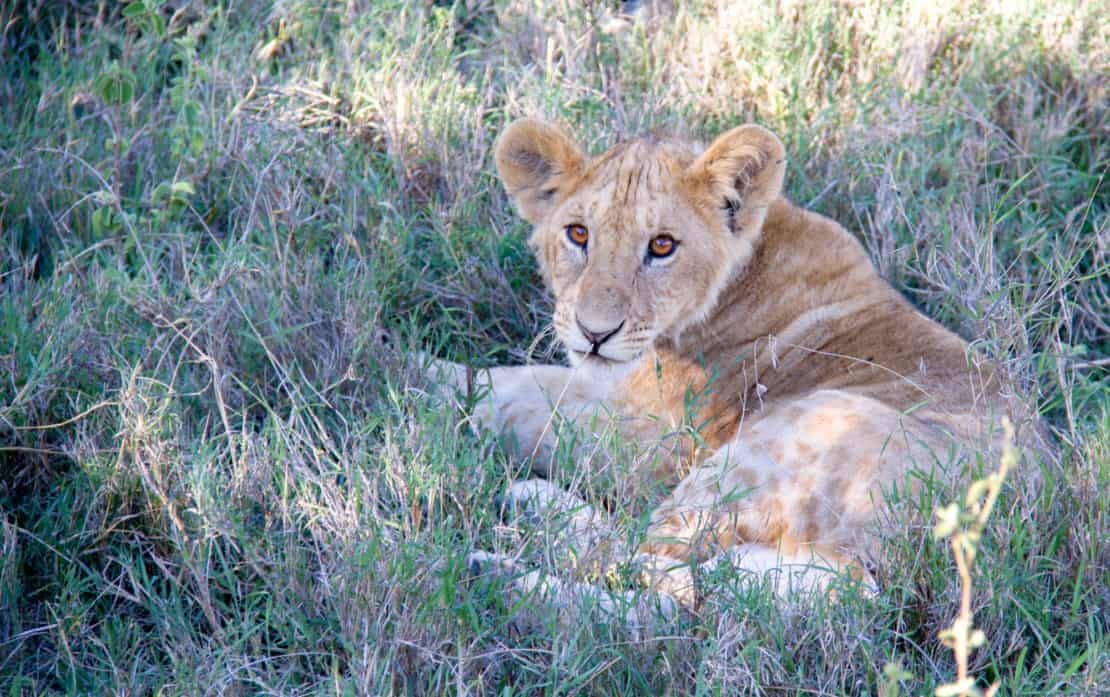
The classic image is the game drive: setting out before sunrise in an open-sided vehicle, scanning the horizon, listening for alarm calls and scouring for tracks and other tiny clues. It’s still one of the finest ways to experience Africa’s wildlife.
But it’s far from the only one.
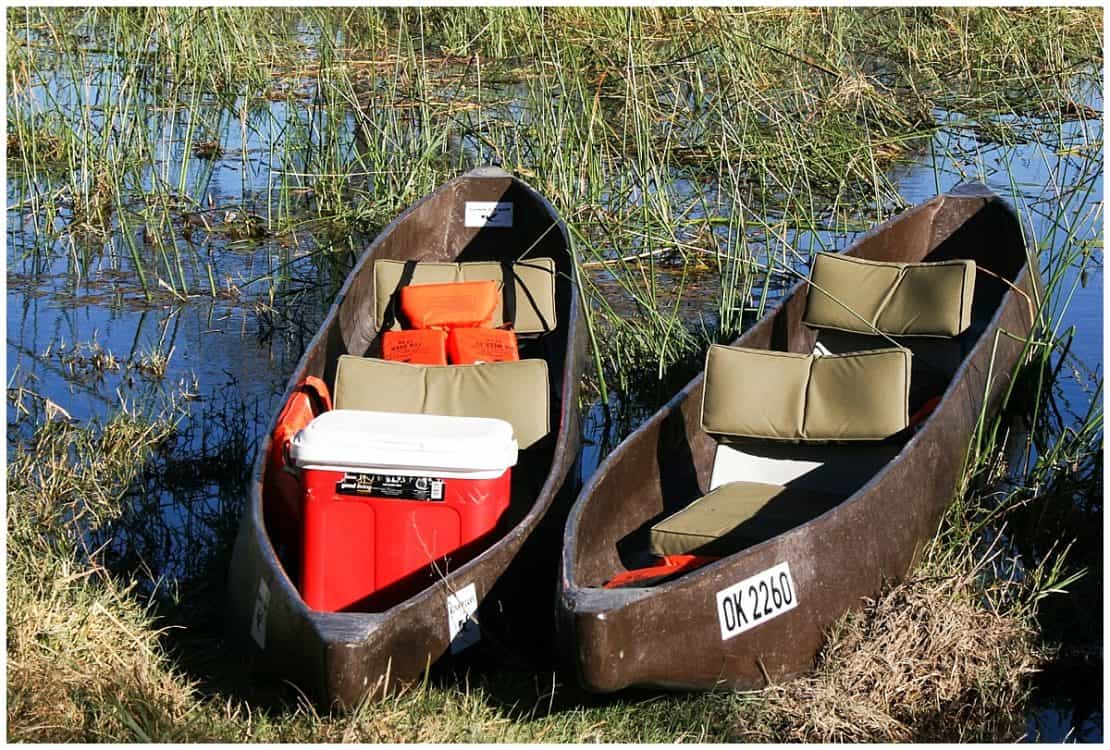
In Zambia and Zimbabwe, walking safaris allow you to experience the bush on foot, noticing the intricate details that disappear when you’re travelling by vehicle. In Botswana’s Okavango Delta, silent mokoro canoes glide through waterways where hippos grunt somewhere just out of sight.
Then there are gorilla trekking adventures in Rwanda and Uganda, riding safaris and family-friendly self-drive adventures. You can even go on a hot air balloon safari.
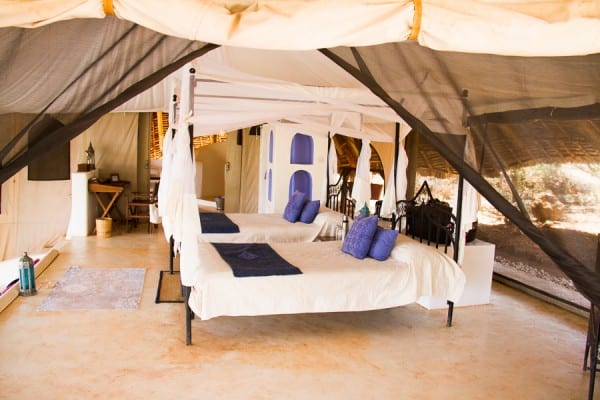
Even the accommodation can become part of the experience, with luxury lodges near watering holes, surrounded by natural habitats.
Step One: Decide What Kind of Safari You Actually Want
One of the biggest mistakes people make is choosing a country before they’ve decided what kind of experience they’re hoping to have.
It’s rather like deciding to visit Europe without first asking whether you’re hoping for Greek beaches, Norwegian fjords or Italian food.
So – what excites you most?
Perhaps you’ve always imagined seeing enormous elephant herds wandering across open plains. Maybe you’ve watched documentaries about wild dogs and hope for a chance encounter. Or perhaps your perfect day involves two leisurely game drives, long lunches beneath shady trees, an afternoon reading on your private deck and the occasional giraffe wandering past.
Step Two: Choose the Right African Country
Ask ten safari experts where you should go for the best African safari and you’ll get ten different answers.
However, there are some things to bear in mind. Kenya and South Africa are typically the easiest options with the best, longest standing infrastructure.
Tanzania has the unforgettable snowy peaks of Kilimanjaro and the staggering Ngorongoro Crater, Botswana has the world’s largest delta, the Okavango, and Namibia has the world’s oldest desert.
If you want gorillas, it will pretty much have to be Uganda or Rwanda. And the best places for lemurs and baobab trees is Madagascar.
Here’s a very simplified run down of the main players.
Kenya: The Classic Safari
If your idea of safari has been shaped by films, wildlife documentaries and coffee table books, you’re probably imagining Kenya.
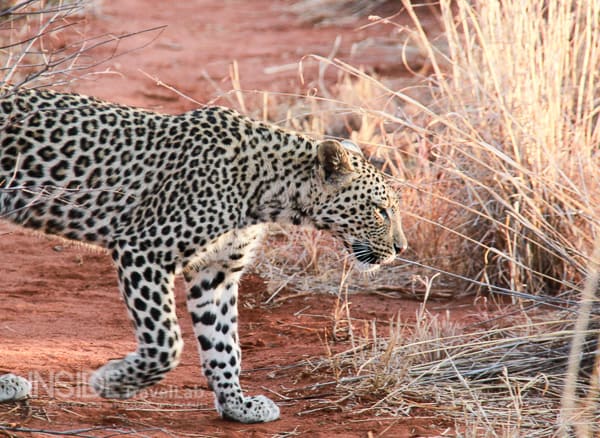
The vast grasslands of the Maasai Mara remain one of the world’s great wildlife spectacles, particularly during the Great Migration, when hundreds of thousands of wildebeest and zebra move through the ecosystem in search of fresh grazing. Even outside migration season, predator sightings are excellent, with lions, cheetahs and leopards regularly spotted.
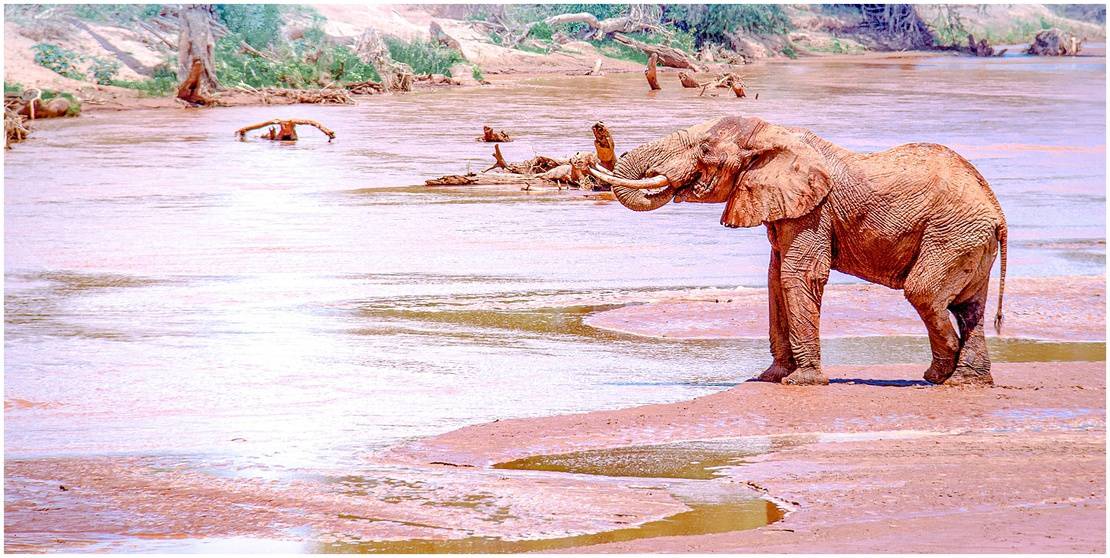
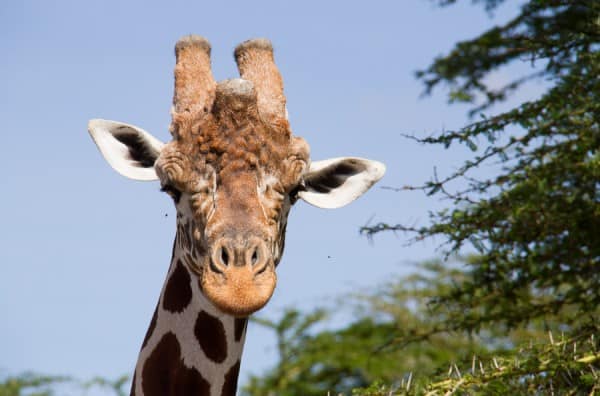
One of Kenya’s greatest strengths is variety. Beyond the Mara, Amboseli offers unforgettable views of elephants wandering beneath Mount Kilimanjaro, while Samburu introduces visitors to northern species rarely seen elsewhere, such as Grevy’s zebra, reticulated giraffe and gerenuk.
Kenya also makes it wonderfully easy to combine safari with time on the Indian Ocean coast, where places like Diani Beach and Lamu offer a slower pace after early mornings in the bush. Here are all the things you should have on your Kenya bucket list.
Best for: First-time safari visitors, photographers, families and travellers wanting to combine wildlife with beaches.
- Recommended reading: the real pride rock in Kenya
Tanzania: Big Landscapes and Iconic Wildlife
The Serengeti stretches across an astonishing landscape where wildlife seems to disappear into the horizon. It shares the Great Migration with Kenya, although the exact location of the herds changes throughout the year.
Then there’s the Ngorongoro Crater, an ancient volcanic caldera that has become one of Africa’s most remarkable wildlife habitats. Descending into the crater remains one of the most beautiful memories I have, with lions, elephants, buffalo and flamingos all roaming around a relatively compact landscape.
Further south, parks such as Ruaha and Nyerere National Park (formerly Selous) offer a more remote safari experience with fewer vehicles and a greater sense of exploration.
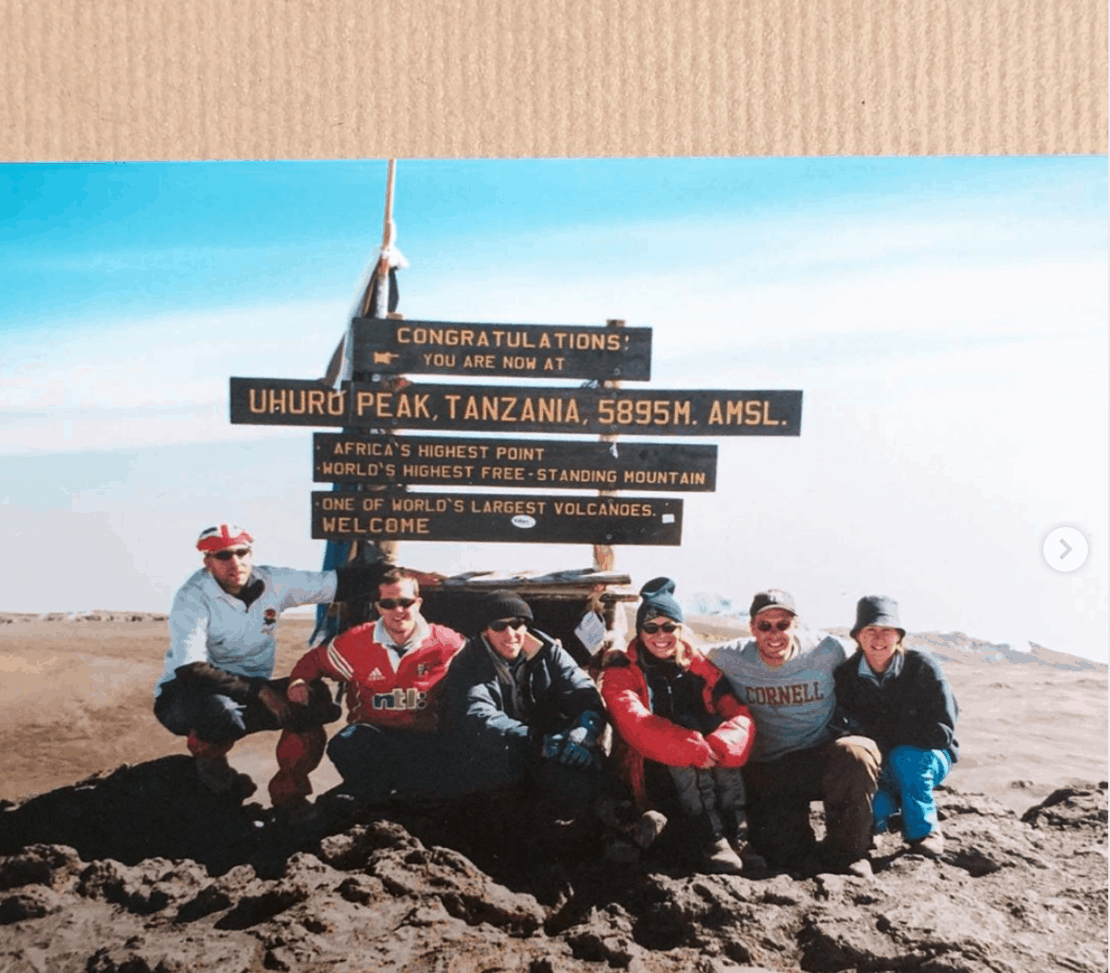
Then, there is Kilimanjaro. Available to climb if you have a week spare and a guide to accompany you. Although, having hauled my younger body up to the 5,895 metre peak, I will just say that the view of the mountain is far more striking than the one from the mountain, if you’re short on time.
Best for: Classic safaris, honeymoon trips, photographers and travellers looking to climb a mountain that’s higher than Everest Base Camp.
Botswana: The Okavango Delta
Botswana has taken a very different approach to tourism.
Rather than attracting huge visitor numbers, the country has deliberately focused on low-volume, high-value tourism. The result is one of Africa’s most exclusive safari destinations, where you can spend hours exploring without seeing another vehicle.
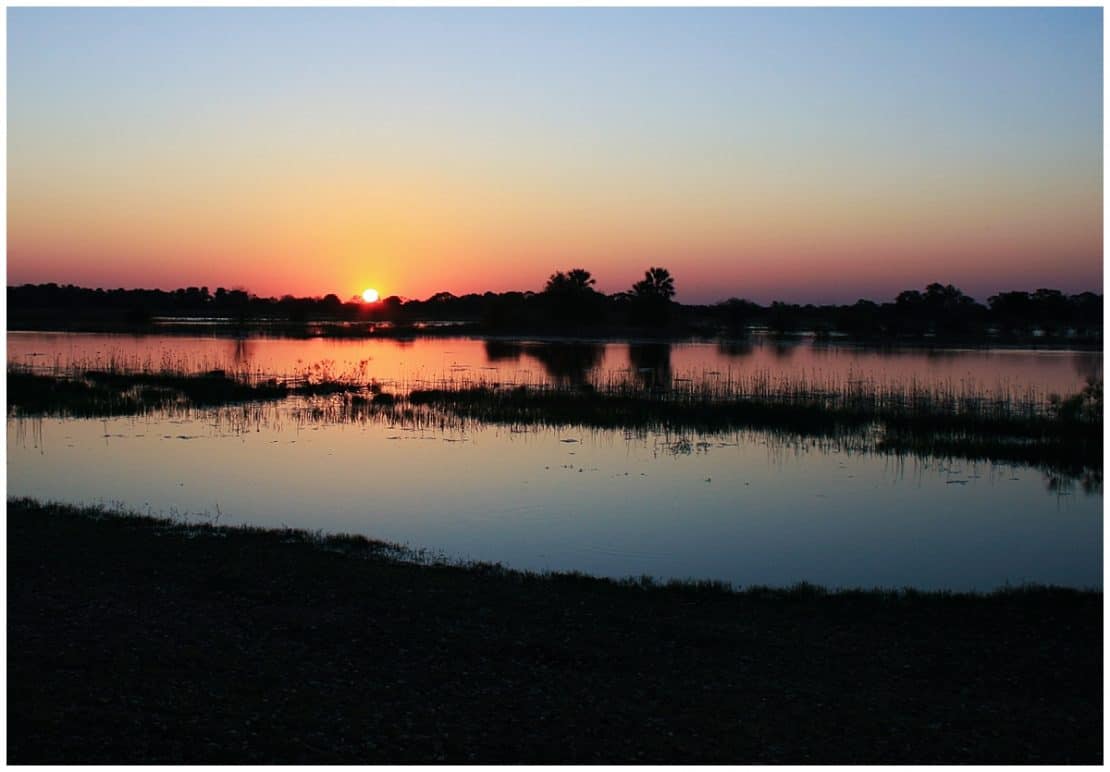
The jewel in Botswana’s crown is the Okavango Delta, one of the world’s largest inland deltas. Here, water shapes every aspect of the safari experience. One morning might involve drifting silently through lily-covered channels in a traditional mokoro canoe, while the afternoon brings a game drive in search of lions or wild dogs.
Chobe National Park, meanwhile, is famous for its enormous elephant population, especially along the Chobe River at sunset.
Botswana isn’t usually the cheapest safari destination, but many travellers feel the exclusivity, exceptional guiding and pristine wilderness justify the higher price. And I’m one of them.
Best for: Experienced travellers, luxury safaris, repeat visitors and anyone seeking a watery wilderness experience.
South Africa: The Most Accessible Safari
For many first-time visitors, South Africa offers the easiest introduction to planning your first African safari.
Excellent roads, reliable infrastructure and fantastic international flight connections make travelling straightforward, while the country’s private game reserves are renowned for luxurious lodges and exceptional guiding.
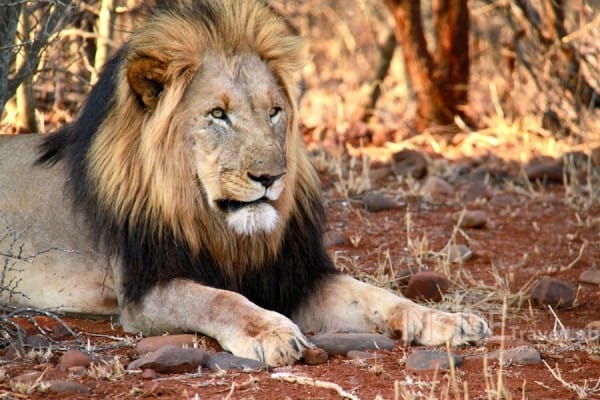
The Greater Kruger region offers some of Africa’s most reliable Big Five sightings, with many private reserves allowing off-road driving and limited vehicle numbers for wildlife viewing.
Another advantage is flexibility. You can combine safari with Cape Town, the Winelands, the Garden Route or the dramatic coastline of KwaZulu-Natal, creating a wonderfully varied holiday.
Best for: First-time safari visitors, couples, food lovers, self-drive holidays and travellers wanting to combine safari with cities and wine regions.
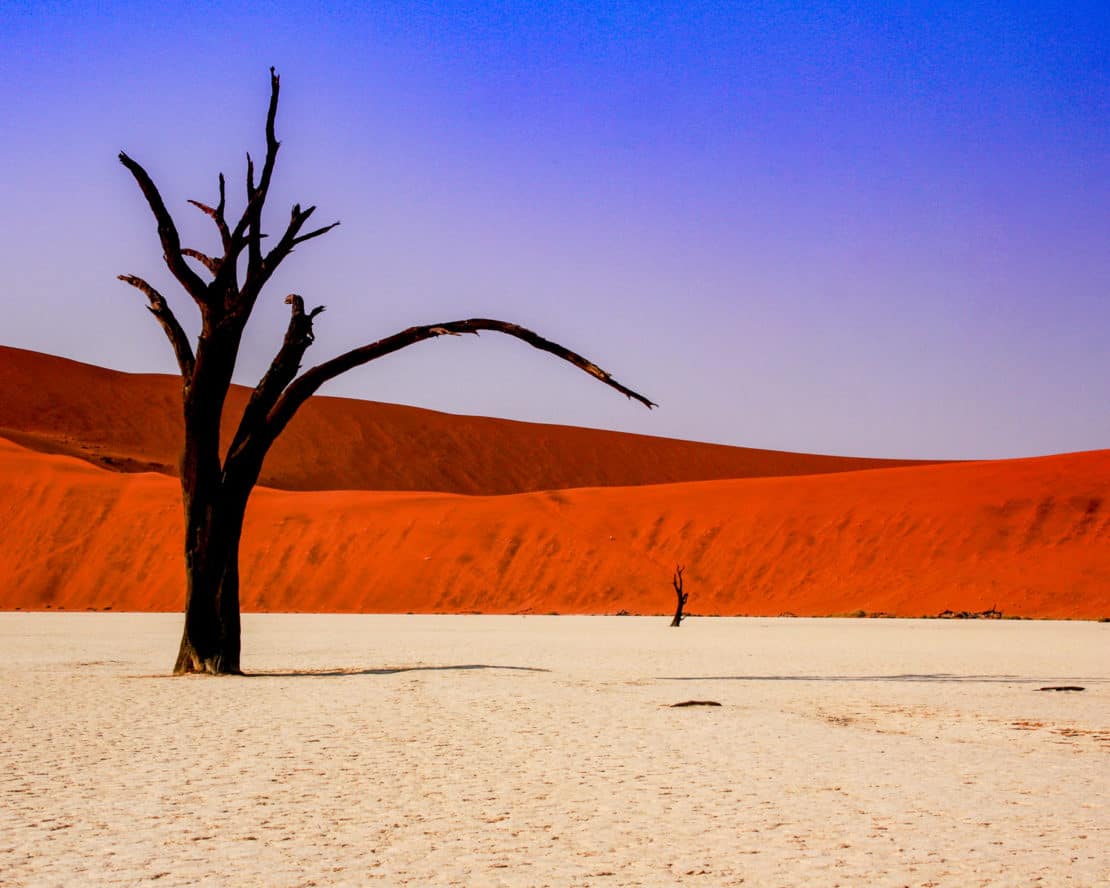
Namibia: Wildlife And Bright Orange Landscapes
Namibia isn’t always the first country people consider, but it may be the most visually spectacular.
Here, wildlife shares the stage with vast deserts, towering dunes and hauntingly beautiful open spaces.
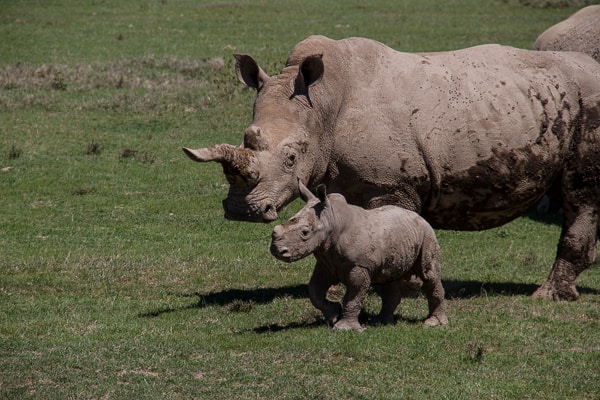
Etosha National Park offers excellent game viewing centred around waterholes, where elephants, giraffes, rhinos and lions gather throughout the dry season. Unlike many parks, visitors often spend long periods quietly watching wildlife come to them.
Beyond Etosha, Namibia rewards travellers with experiences found nowhere else: the towering dunes of Sossusvlei, the Skeleton Coast, desert-adapted elephants and star-filled skies that seem almost impossibly clear.
Distances are considerable, so journeys can be longer than elsewhere, but that’s part of Namibia’s appeal.
Best for: Self-drive adventures, photographers, road trips and travellers who love landscapes as much as wildlife.
Zambia and Zimbabwe: Safari for the Curious
These neighbouring countries tend to attract travellers who are looking for something a little different.
Zambia is widely regarded as the birthplace of the modern walking safari. Here, experienced guides lead small groups on foot, revealing a side of the bush that’s impossible to appreciate from a vehicle alone. Learning to identify tracks, insects and bird calls creates a richer understanding of the ecosystem.
Zimbabwe combines excellent guiding with relatively uncrowded parks such as Hwange National Park, while nearby Mana Pools has earned legendary status among wildlife photographers.
Both countries pair naturally with a visit to Victoria Falls, one of the world’s greatest natural wonders.
Best for: Walking safaris, experienced travellers, photographers and visitors returning to Africa.
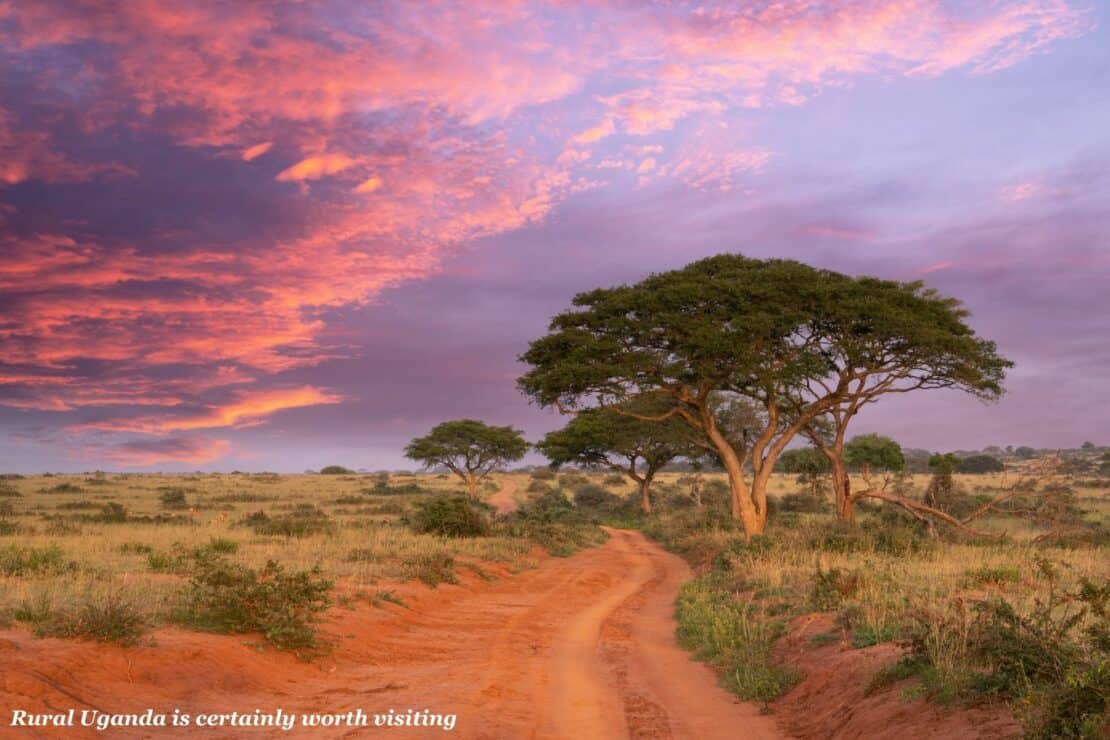
Uganda and Rwanda: A Different Kind of Safari
Not every safari revolves around lions.
Uganda and Rwanda are where you go to trek through misty forests in search of endangered mountain gorillas.
There are different ways of doing it, of course, but in general you hike through dense vegetation with expert trackers, to be able to observe these remarkable primates at close range. It’s a deeply moving experience that many travellers describe as one of the most memorable wildlife encounters of their lives.
Both countries also offer traditional safaris, making it possible to combine gorilla trekking with game drives, chimpanzee tracking and boat safaris.
Best for: Bucket-list wildlife encounters with gorillas, active travellers and conservation-minded visitors.
So, Which Country Should You Choose?
If you’re planning your first safari, it’s hard to go wrong with Kenya, Tanzania or South Africa. Each combines outstanding wildlife with well-developed tourism infrastructure and a wide choice of accommodation.
If you’re celebrating a special occasion or dreaming of a more exclusive experience, Botswana is worth considering.
If landscapes are just as important as wildlife, Namibia is in a league of its own.
And if you’ve already been on safari once, Zambia, Zimbabwe, Uganda or Rwanda offer wonderfully different ways to experience Africa’s extraordinary wildlife. And I have to give a shout out for Madagascar. You won’t see the Big Five but you will find wildlife you can’t find anywhere else on earth.
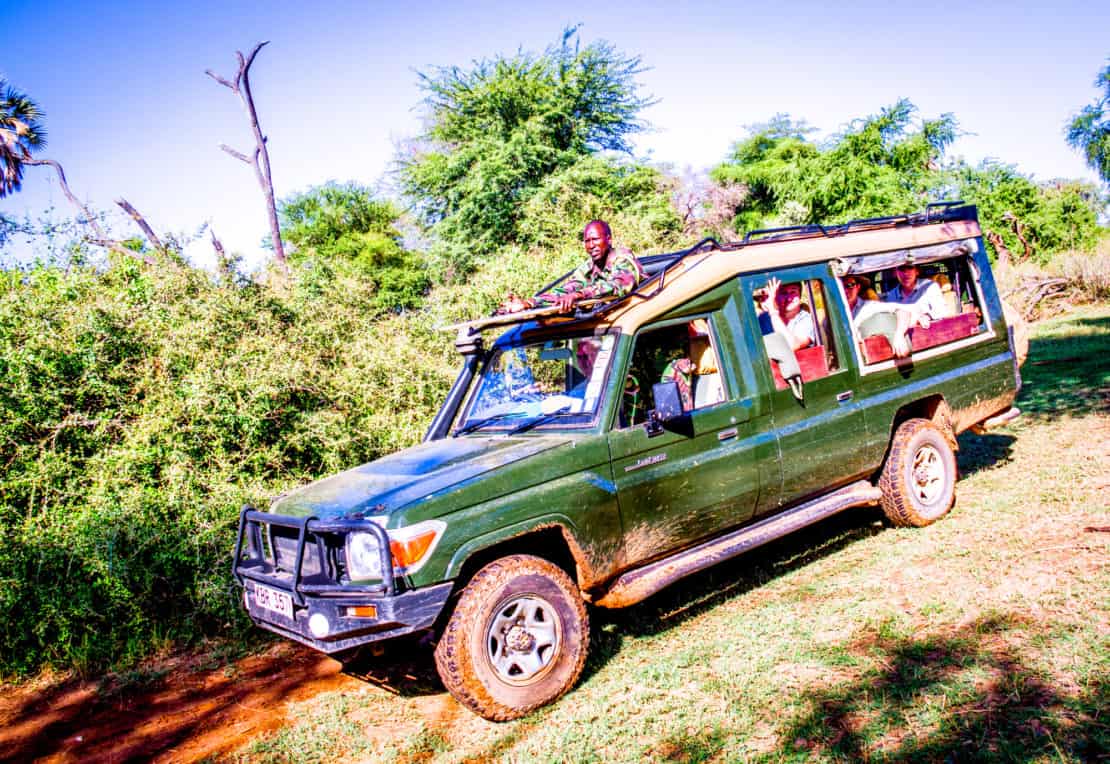
Step Three: Understand the Seasons (There Is No Single “Best Time” for Safari)
One of the first questions people ask is, “When is the best time to go on safari?”
The honest answer is that there isn’t one.
Every season has its own character, and what makes a trip unforgettable for one traveller might disappoint another. A wildlife photographer hoping to capture predators stalking across dry grass has very different priorities from someone who wants lush landscapes, baby animals and fewer vehicles at each sighting.
The Dry Season: Easier Wildlife Viewing
In much of East and Southern Africa, the dry season is considered the classic safari period.
As water becomes scarcer, animals gather around rivers, lakes and waterholes, making them easier to find. Vegetation is thinner too, so guides can spot wildlife from much greater distances.
The roads are generally in better condition, mosquitoes are often less of a nuisance and the cooler mornings make game drives particularly enjoyable.
This is why the dry season is so popular – but, as ever, popularity has its downsides. Accommodation books up well in advance, prices rise and famous wildlife sightings can attract several vehicles at once, particularly in well-known parks.
For many first-time visitors, however, the dry season is your best bet.
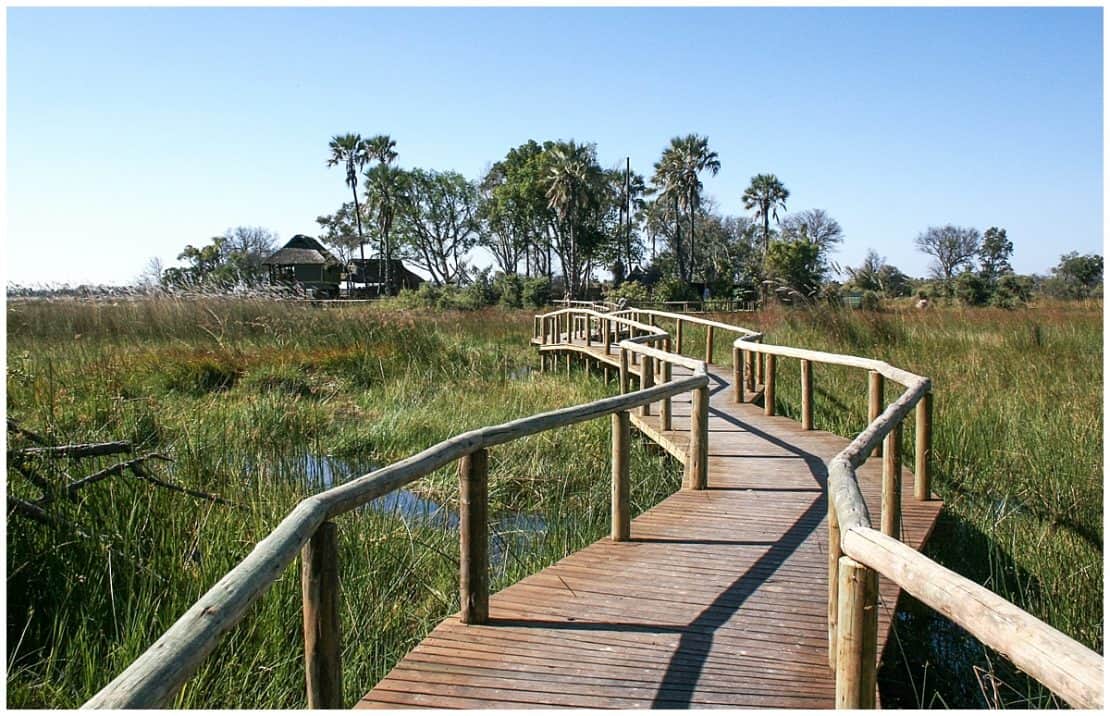
The Green Season: More Than Just Rain
The phrase “rainy season” can sound rather off-putting, but many safari veterans actively seek out the green season.
The landscape transforms. Dust settles, the grass turns an almost impossible shade of green and wildflowers begin to appear. Migratory birds arrive in spectacular numbers, making this one of the best times for birdwatching.
Many animals also give birth during this period, so you’ll see playful young zebra, impala and wildebeest taking their first uncertain steps. Of course, where there are vulnerable youngsters, predators are never far away.
Rain often falls in short, dramatic bursts rather than all day, although this varies considerably between countries and regions.
The biggest advantage? You’ll often enjoy quieter lodges, fewer vehicles and significantly lower prices.
The Great Migration: Worth Planning Around?
For many travellers, witnessing the Great Migration is the ultimate safari dream.
Every year, more than a million wildebeest, accompanied by hundreds of thousands of zebra and gazelle, move through the Serengeti-Mara ecosystem in search of fresh grazing.
The famous river crossings – where enormous herds plunge into crocodile-filled water – have become iconic wildlife images. But they’re also unpredictable. Wildlife doesn’t work to a timetable, and there’s never a guarantee you’ll arrive on the right day.
That’s why it’s often better to think of the migration as a moving ecosystem rather than a single event. Depending on the time of year, you may witness calving season, vast grazing herds stretching to the horizon or dramatic predator encounters.
If seeing the migration is your top priority, it’s worth choosing your lodge carefully so you’re close to wherever the herds are likely to be during your visit.
Match the Season to Your Destination
One important thing to remember is that the African continent is enormous.
The best time to visit South Africa isn’t necessarily the best time for Botswana. Tanzania’s migration seasons don’t apply to Namibia, while Rwanda’s gorilla trekking follows entirely different weather patterns.
That’s why it’s usually better to choose your destination first and then identify the best months for that particular region.
Trying to find one “best month for an African safari” is rather like asking for the best month to visit Europe – it depends entirely on where you’re going and why.
Step Four: Decide on Your Budget (And Know Where It’s Worth Spending More)
Safaris have a reputation for being expensive.
And I’m sorry to tell you that by and large, that’s true.
Small camps in remote wilderness areas require staff, specialist guides, conservation fees, vehicles, fuel, fresh food deliveries and, in many cases, light aircraft simply to bring guests in and out. It’s an extraordinary logistical operation.
But safari isn’t one-size-fits-all. There are experiences to suit a wide range of budgets, and spending more doesn’t automatically guarantee a better holiday.
Where Your Money Makes the Biggest Difference
If there’s one area worth prioritising, it’s guiding.
A great guide doesn’t just find animals. They help you understand what you’re seeing.
Instead of announcing, “There’s a lion,” they’ll explain why she’s lying in the shade, how the behaviour of nearby antelope suggests another predator may be close, or how the birds overhead reveal something hidden in the long grass.
By the end of your trip, you’ll begin to notice these things yourself.
Similarly, location matters enormously.
A modest camp in an exceptional wildlife area will usually deliver a richer experience than a luxurious lodge several hours from the action. Before comparing room categories or spa facilities, ask about the surrounding habitat and wildlife density.
National Parks or Private Conservancies? And Why Does it Matter?
National parks often offer more affordable accommodation. You’ll share the experience with other visitors, particularly around popular sightings, but they can represent outstanding value.
Private conservancies generally cost more, yet they offer several significant advantages.
Many allow off-road driving, making it easier to follow elusive animals without damaging sensitive habitats. Night drives reveal nocturnal species rarely seen during the day, while walking safaris are often permitted as well. Visitor numbers are typically lower, creating a quieter, more immersive atmosphere.
For many travellers, these experiences justify the extra cost.
Fly-In or Drive?
One of the biggest decisions is whether to fly between camps or travel by road.
Flying saves valuable time and opens up remote wilderness areas that would otherwise require long journeys. There’s also something rather magical about looking down over elephants wandering beneath the aircraft.
The trade-off, of course, is cost.
Road transfers are considerably less expensive and often reveal fascinating glimpses of everyday life beyond the national parks. On shorter holidays, however, spending an entire day driving between destinations can significantly reduce your time in the bush.
Remember the Hidden Costs
When comparing prices, look beyond the headline room rate.
Some lodges include all meals, drinks, laundry, game drives, park fees and airport transfers. Others charge separately for activities, premium beverages or conservation levies.
Internal flights, tipping, visas, travel insurance and specialist camera equipment can all add considerably to the overall cost of your holiday.
It’s worth calculating the total trip cost rather than simply comparing nightly rates. Remember, you won’t be able to pop out to another restaurant. Once you’re there, that’s largely it.
Step Five: How Many Days Do You Really Need?
One of the easiest mistakes to make when planning a safari is trying to fit in too much.
After all, if you’ve flown all the way to Africa, surely it makes sense to visit as many parks as possible?
Not necessarily.
How Long Should You Stay?
I’ll come right out and say it. If it’s your first time, it’s probably not wise to book a full two week safari trip right away. While, I love seeing wildlife in its natural habitat, the truth is that trips usually start very early in the morning, often when it’s cold, and there’s a lot of bumping around or sitting around where not a lot seems to be happening.
That’s what’s part of the meditative joy of a good safari – but it isn’t for everyone. The first time you book a safari, I’d keep it to no more than four days.
Three Days: A Taste of Safari
If you’re adding safari onto a broader holiday – perhaps combining it with Cape Town, Victoria Falls or a beach stay – three days can provide an excellent introduction.
You’ll usually enjoy five or six game drives, which is enough to see a surprising amount of wildlife, particularly in areas with high animal densities.

Beware of Safari Fatigue
It’s a bit of a dirty secret but after several consecutive early mornings, even the most enthusiastic wildlife lover can find themselves quietly hoping for a leisurely breakfast instead.
That’s perfectly normal.
Many luxury lodges understand this and build flexibility into their schedules. If you’d rather spend one morning enjoying your terrace, watching wildlife come to you, nobody will mind.
Classic Combinations
I love, love, love safaris but holidays do work best, in my opinion, when paired with something else.
Some classic combinations include:
Kenya with the white-sand beaches of the Indian Ocean.
Tanzania and Zanzibar.
South Africa’s Greater Kruger followed by Cape Town and the Winelands.
Botswana paired with Victoria Falls.
Namibia combined with the dramatic dunes of Sossusvlei and the Skeleton Coast.
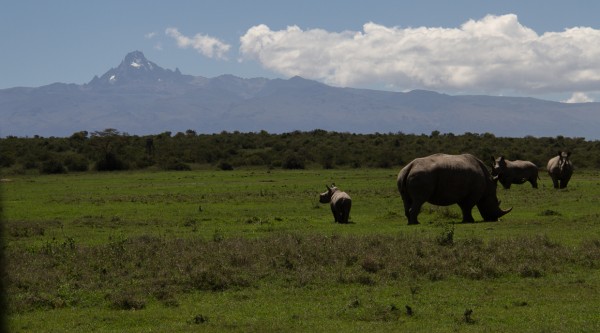
Conservation Matters – As Usual
One of the encouraging developments in African tourism is the growing role that responsible safari operators play in protecting wildlife.
Many conservancies work closely with local communities, creating employment, supporting schools and providing financial incentives to protect wildlife rather than replacing it with agriculture or development. Check out this inspiring interview with How Many Elephants.
By choosing lodges with strong conservation credentials, your holiday contributes directly to preserving some of the world’s most extraordinary ecosystems.
It’s one of the reasons safari can feel like such a meaningful way to travel: you can combine bucket list travel experiences with meaningful change when you go on a safari.
More About Travel in Africa
- How the red tsingy in Madagascar are the perfect antidote to travel overload
- The best beaches in Madagascar
- The real pride rock
- The perfect Kenya bucket list
- What you need to know about trekking Kilimanjaro
- Rwanda or Uganda for gorilla trekking?
- Namibia and the oldest desert in the world
- What safari guides really fear in Botswana’s Okavango Delta
- Why colour still matters in Bo Kaap, Cape Town
- 21 unusual things to do in Cape Town
- Why South Africa is called the rainbow nation
- A poem from South Africa
- The Soweto that Mandela left behind