Discover practical travel tips for South America, including the best travel gear, health precautions, packing essentials and expert advice for different countries.
Top Tips for Latin America – South America Travel Tips
Where to begin with dispensing wisdom about travel to South America? I’ve travelled from north to south, east to west and back again, to touristy places and remote outposts and it’s almost impossible to summarise an entire continent into one article.
But what use is that to you? None at all. So, let’s accept our limitations and let me share what I do know. Things I learned from travelling to the Amazon rainforest, the glaciers of Chile and Argentina, the ruins of Machu Picchu, the wildlife of Patagonia and the festival feel of Cartagena. And plenty more besides.
Here’s a quick travel guide of my favourite travel tips for South America to help you plan your next adventure.
Top South American Travel Tips
1. Get chopping
The sheer scale of South America can be hard to appreciate from the wet and windy isles of Britain. Suffice to say, the place is huge. Read that again. Absolutely huge. The Andes mountain range alone stretches like a jagged spine down the west coast, creating dramatic microclimates that make rapid transit both physically exhausting and environmentally costly.
So, chop places from your wish list with ruthless efficiency. Leave time to enjoy and explore the places you do get to visit and save the rest for another trip.
Instead of booking multiple flights with domestic LATAM carriers to hop between distant cities, consider focusing on regional depth. Rather than trying to see everything, choose a smaller cluster of countries, such as Peru and Ecuador, or the dramatic contrasts of Chile and Argentina and explore them thoroughly.
2. Essential Digital Gear
It’s amazing to think that when I first visited South America, we would queue to sit on splayed plastic chairs and wait for the single computer terminal in a cafe in order to send a single email home.
Now, it’s hard enough to get on the flight to get there without having digital gear.
Here are the digital South America travel tips I’d recommend.
- Ditch Physical SIM Cards for eSIMs: Hunting down local mobile network shops in every new country to register a physical SIM with your passport is a tedious chore. Instead, download an eSIM before you go and be done with it. If you are crossing borders, then it may be worth you buying a regional Latin America data pass instead of getting a new eSIM in each country you visit.
- Offline Mapping and Language Tools: In remote areas of the Andes or deep inside the rainforest, cellular signals will drop. Download offline map areas on Maps.me or Google Maps, alongside the Spanish and Portuguese offline packages on Google Translate. Having the local language accessible without data is invaluable when navigating unpaved roads or chatting with locals in rural villages.
How to use Google translate offline.
How to use Google Maps offline.
- Power and Filtration: Keep a high-capacity power bank (20,000mAh+) in your daypack to keep your phone charged on 15-hour bus rides. To reduce your plastic footprint, carry a self-purifying water bottle (like a Grayl or Lifestraw). In most South American countries, tap water is not safe to drink without treatment; carrying a purifying system protects your health and safety while saving hundreds of single-use plastic bottles from ending up in fragile ecosystems.
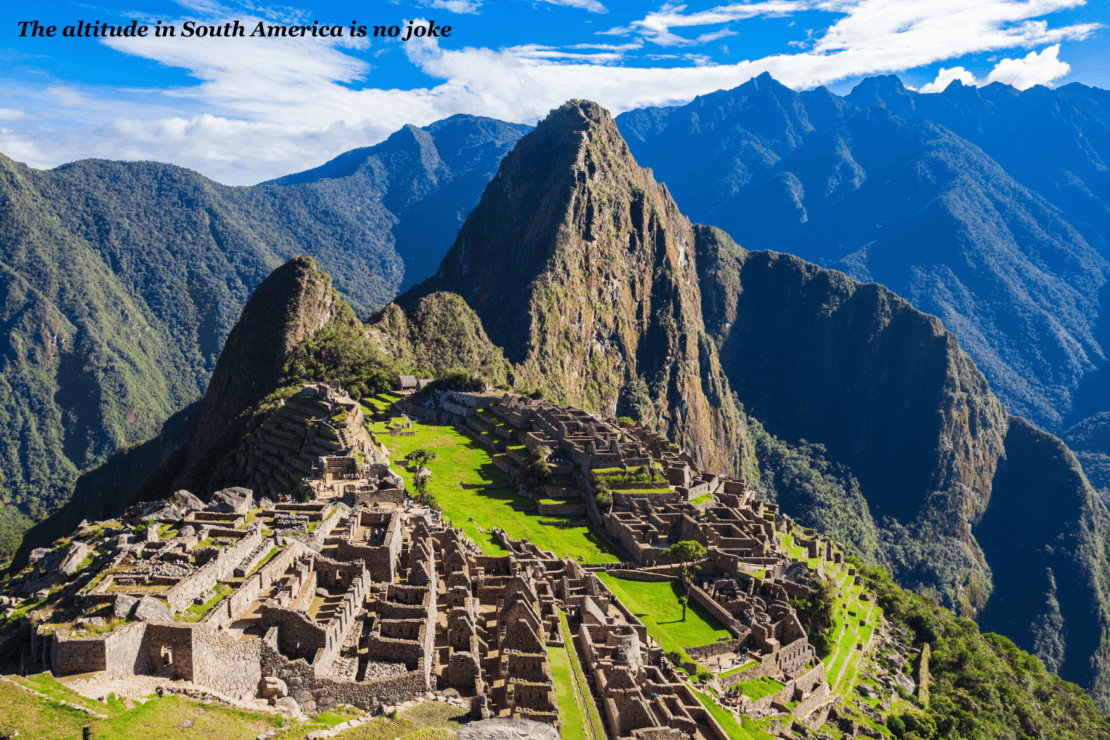
3. Pay Attention to High-Altitude
It’s not only mountain climbers who need to worry about altitude sickness into consideration. Well, worry is the wrong word. Let’s just say – pay careful attention.
Many of the most spectacular places to visit in South America are located at dizzying heights. Cities like Cusco, Sucre, and La Paz sit thousands of metres above sea level, and adjusting to the thin air requires both patience and respect.
The only solution is to take it slow and structure your itinerary to ascend gradually. If you are heading to Cuzco to hike the famous Inca Trail to Macchu Picchu, spend your first few days resting at a slightly lower elevation in the Sacred Valley first.
Take a cue from local traditions: sip hot tea brewed from coca leaves, which indigenous communities have used for centuries to alleviate the symptoms of altitude sickness.
Oh, and altitude sickness doesn’t relate directly to fitness levels, either. So, unfortunately, even if you’re super fit, it may still affect you – so make allowances for that.

4. Make Ethical Choices Wherever Possible
I know this is easier said than done – and that nobody is perfect. But if you can, try to make sure that the economic benefits of your trip stay directly within the host communities. Book directly with locally run businesses rather than giant corporations if possible.
Look for community-led tourism initiatives where your money directly supports social development. Book a family-run guesthouse (hospedaje) instead of a generic hotel, and hire local, licensed guides who can share the history of the ancient Incan and pre-Incan civilisations with genuine ancestral pride.
When shopping at indigenous markets, remember that a few pesos saved through aggressive haggling might mean a local artisan’s family goes without. Pay a fair price for hand-woven textiles, and always ask for permission before taking photographs of local people, particularly elders and children. All that said, I’d also caution against overpaying out of a sense of guilt or wanting to fix things. It doesn’t help communities very much if people can earn ten times their salary by working in tourism at the expense of other careers and professions.
It’s a very complicated topic and I can’t do it justice here. To find out more, read about the benefits of sustainable tourism and discover how you can be a more responsible traveller.
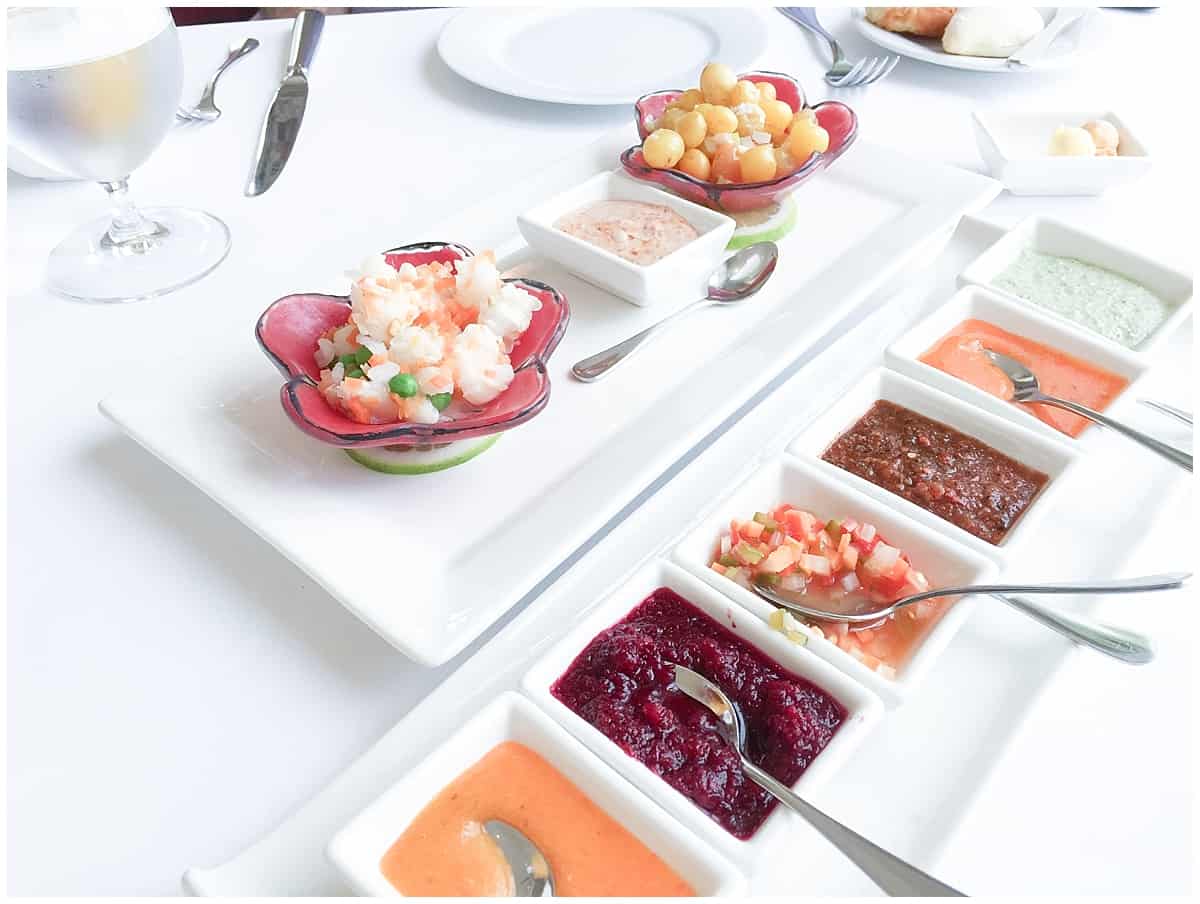
5. Take It Easy on the Hot Sauce
It’s impossible to talk about an entire continent’s cuisine in one short article. But if I had only one piece of advice to give you, it’s this: take it easy with the hot sauce. I love a taste of heat but the levels used in Latin America bring tears to my eyes just thinking about them.
Start small. You can always add more later.
6. Prioritise Your Health
As a former doctor, I can’t help but emphasise this.
Consult a travel clinic six to eight weeks before departure to get your core immunisations sorted. Brush up on water hygiene and treatments and learn the signs for what to look out for when you’re eating. Get some hefty insect repellent and any antimalarials you require.
Make sure you have documentation to support any prescription medication you need to take with you – and double check that you have enough to last the whole trip.
Country Specific South American Travel Tips
Clearly, I haven’t been everywhere yet. But, as the saying goes, it’s on my list.
Here’s what I’d share with my friends about the countries I have travelled through.
Argentina
If you’re coming from Britain, be braced to hear about the Falkland Islands – Las Malvinas. We’d been in the country about 30 seconds before someone heard us talking and brought the topic up, something which followed us around for most of the trip.
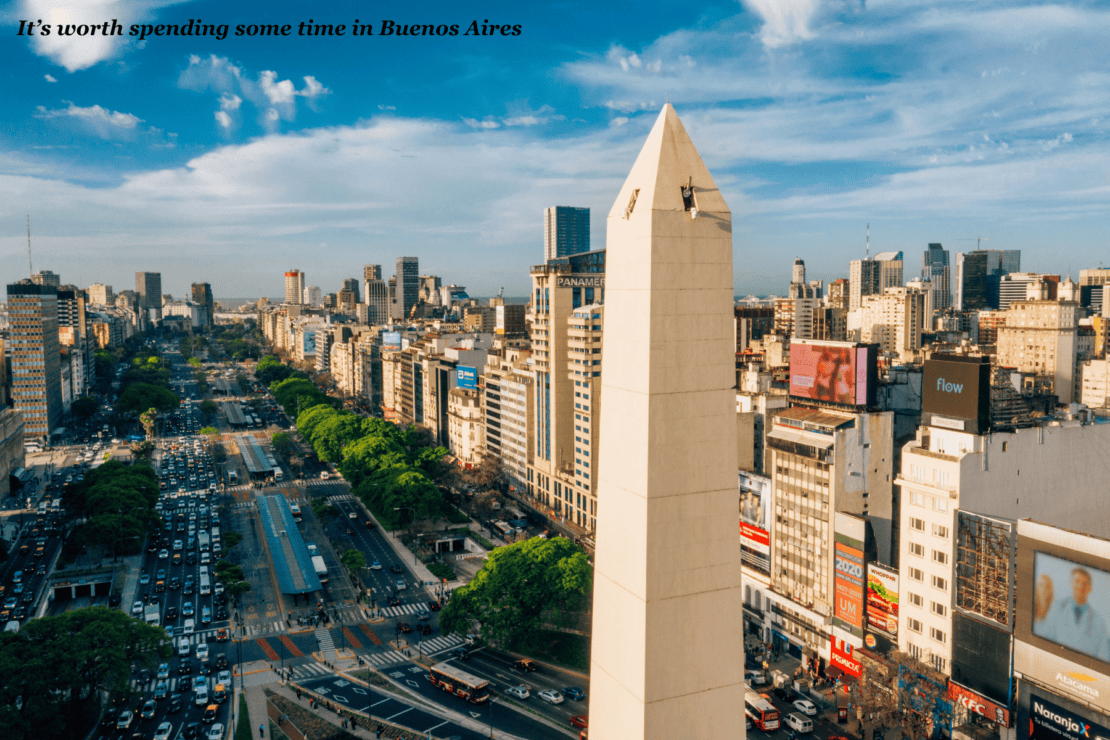
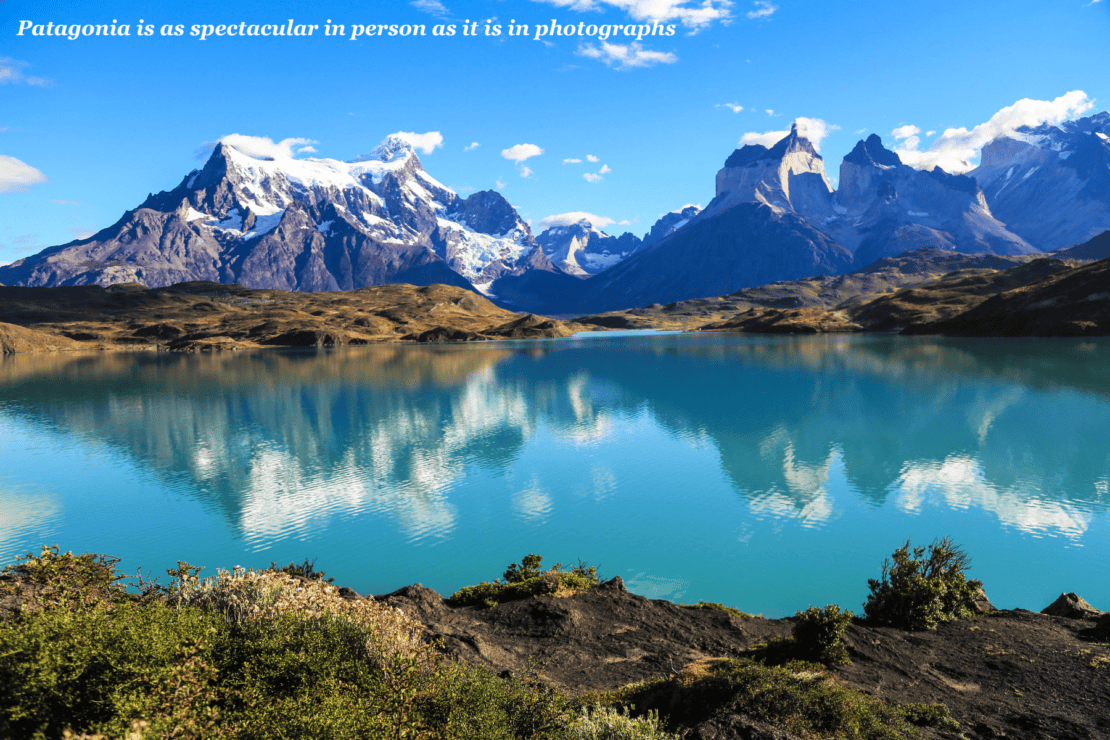
Budget some time for Buenos Aires, as well as Patagonia. The iciest parts are off limits in winter, so you need to pay attention when planning a trip.
Colombia
Pay particular care to safety warnings about certain areas but don’t let that put you off enjoying the safe, beautiful parts of the country. I loved Cartagena on the coast and the museums of Bogota.
Chile
If you’re travelling along Patagonia, where Argentina and Chile run besides one another, it’s worth checking the exchange rates and prices on either side of the border. When we drove down, it was several times more expensive to stay on the Chilean side than in Argentina. Make of that what you will ;-)
Santiago is lovely, and definitely worth spending more than an airport transfer in.
Peru
Definitely see Machu Picchu. It’s phenomenal, even though it’s hardly a lesser-known site. Also, be sure to see Lake Titicaca, the Nazca lines and look out for condors flying. And have you really had ceviche until you’ve had ceviche in Peru?
Ecuador
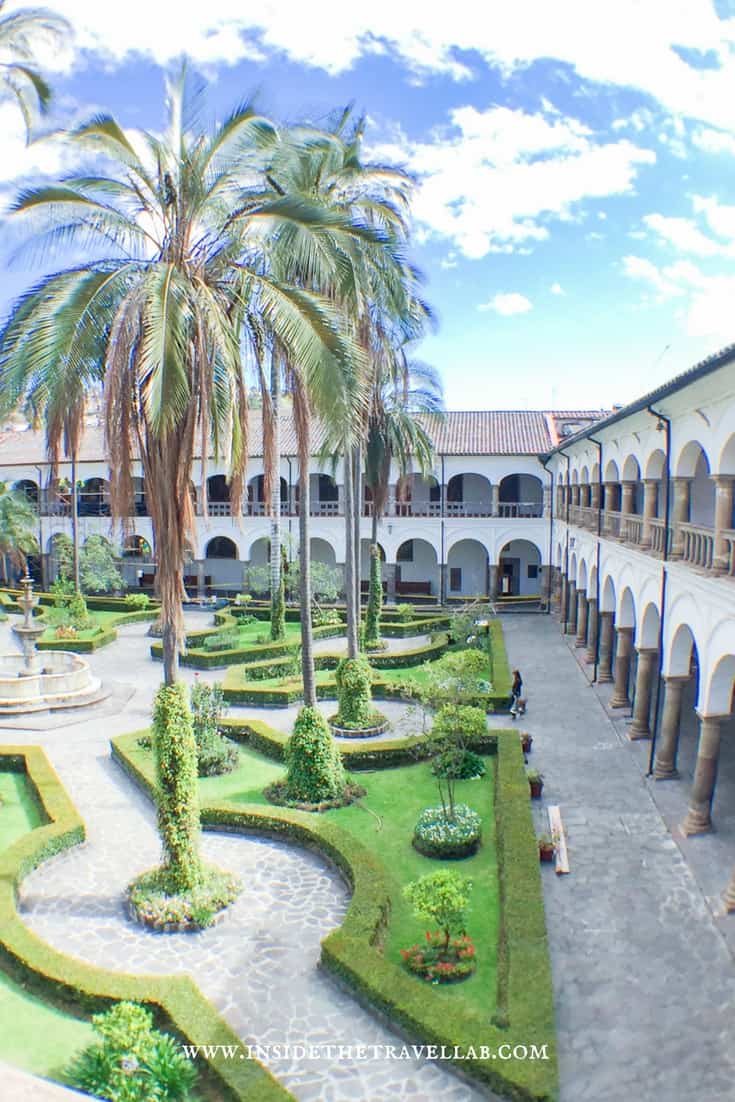
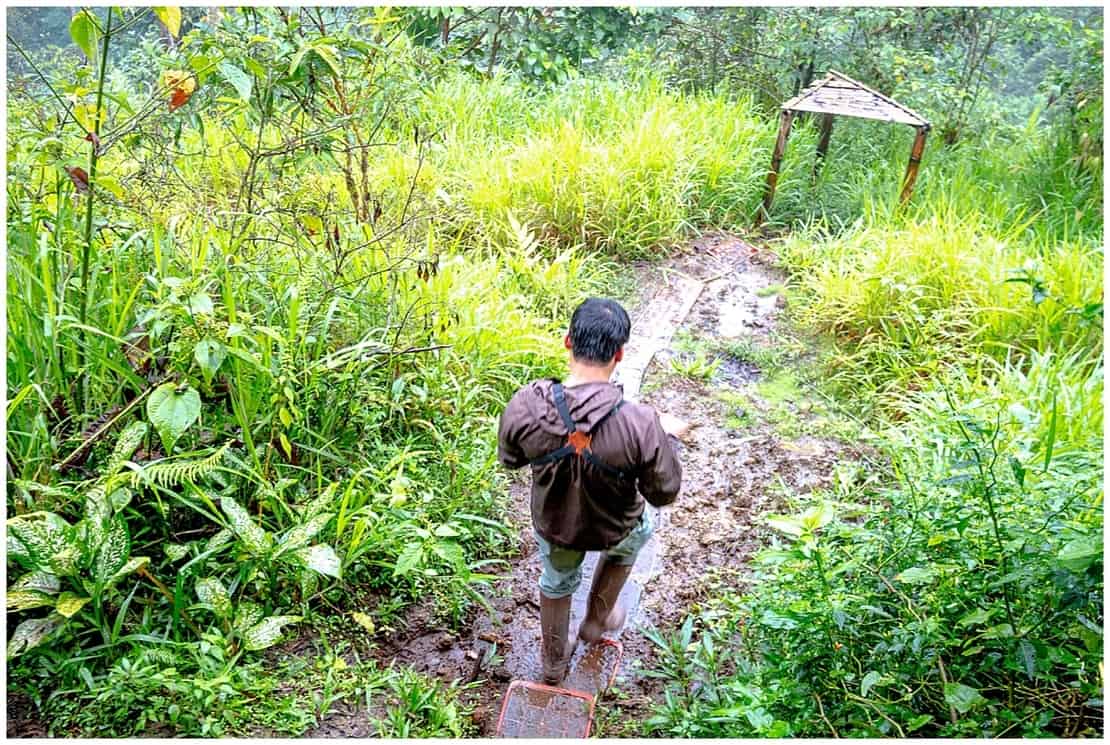
Ecuador may not be quite as famous as some of the others but it’s one of my favourites. One word of warning, it doesn’t always make sense to fly into Quito if you’re planning to go on to the Galapagos Islands. Numbers are limited on the islands, so make sure you book as far in advance as you can.
I’d highly recommend visiting the cloudforests like this.
Brazil
Ah, fabulous, flamboyant Brazil! Few cities can top Rio for city life and natural landscapes, while the Iguazu Falls on the border make Niagara Falls look like a puddle.
Watch out for safety in the cities, though, and double check you have insect repellent before heading into the Amazon rainforest.
The South America Travel Writing Anthology
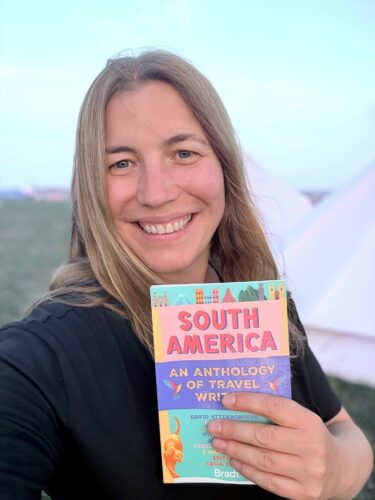
Looking for more inspiration? Don’t miss South America: An Anthology of Travel Writing, published by Bradt Guides.
This curated collection of travel writing explores this very special part of the world through the voices of the people that know it best.
My work features alongside words from Sir David Attenborough, Michael Palin, Simon Reeve and Kate Humble, in an anthology of writing covering cities and wilderness, wildlife and eco-tourism, gauchos and their horses and everything in between.
You can get your copy here. Plus, if you use the code TRAVELLAB20 at checkout, you’ll receive a 20% discount!
More About South America
- The ultimate Amazon travel tips for your next adventure
- The best things to do in the Amazon
- What to pack for the Amazon rainforest
- Why the meeting of the waters in Brazil is so important
- The oldest market in Quito and what to buy in Ecuador
- Why the pre-Colombian art in Quito matters
- Why everyone should visit the cloud forests of Ecuador
- What do the words Galapagos mean?
- Have you heard of this tradition in Quito?